Get To Know… Melak Khaleel
Peeling back the layers of local visual artist, Melak Khaleel.
Words Indigo James // Image supplied
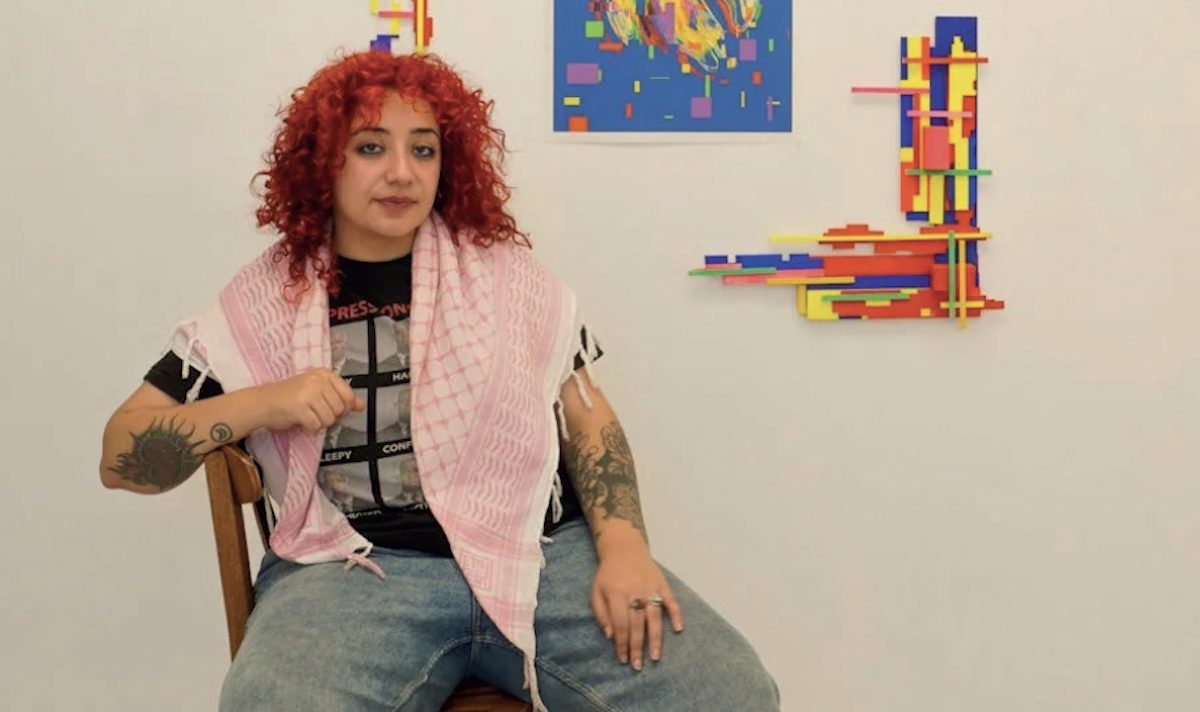
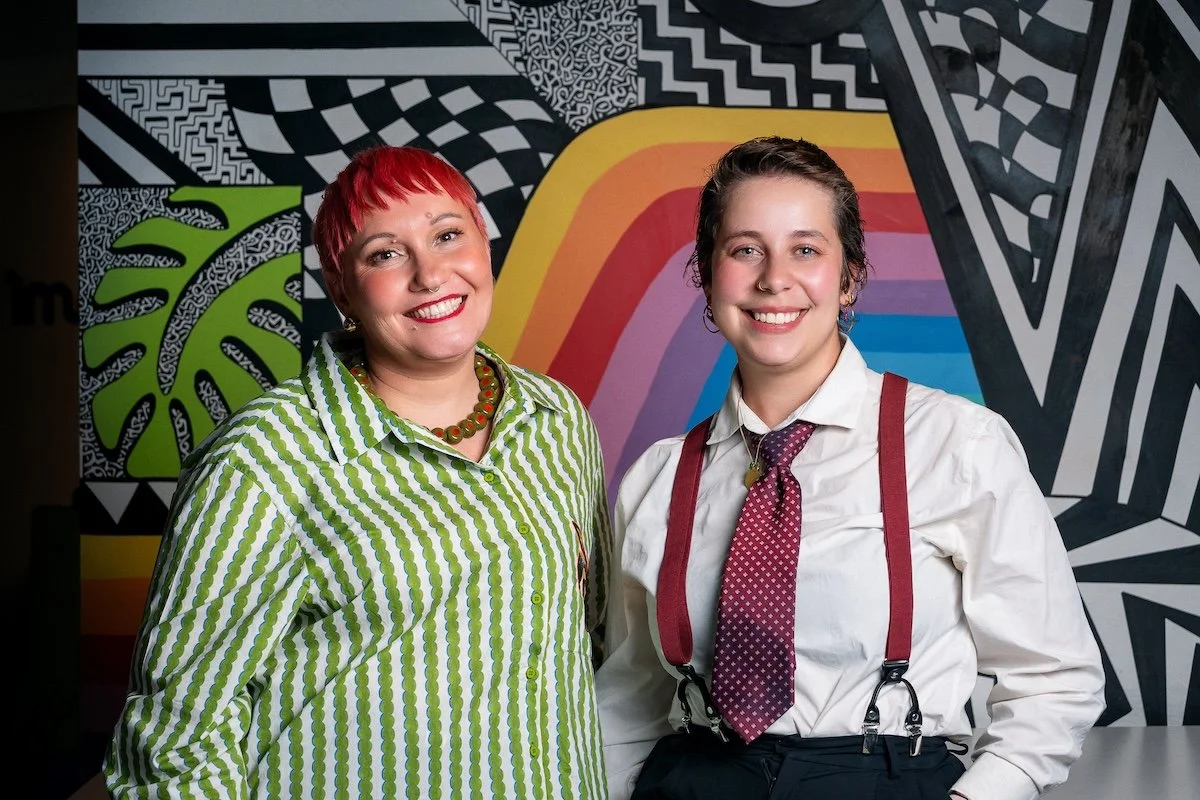
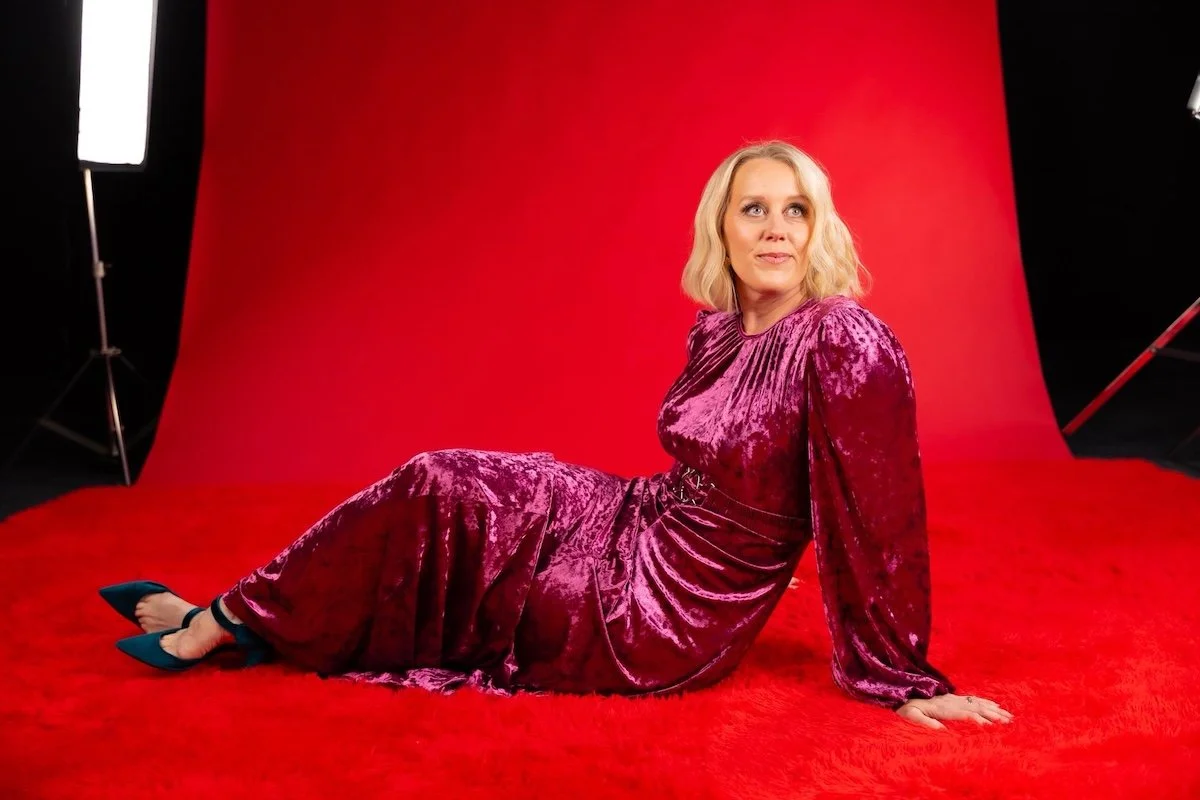
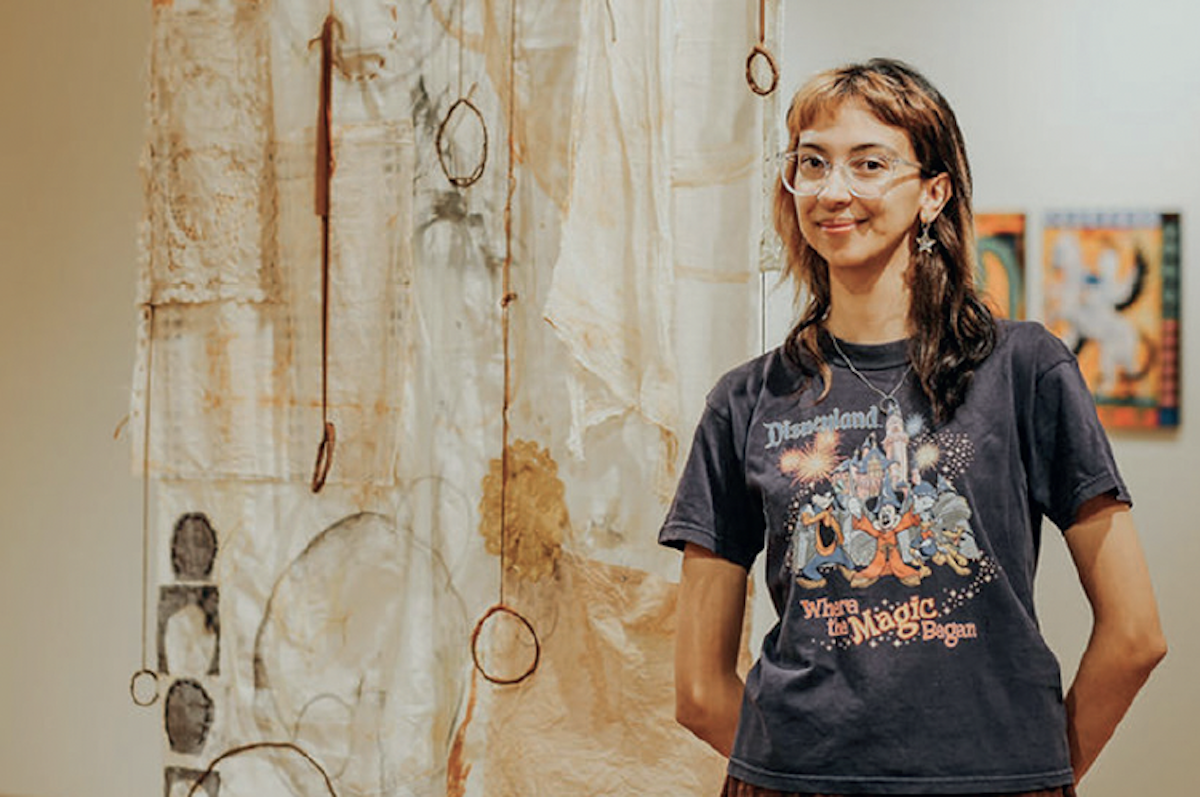
Melak Khaleel is a political visual artist whose work confronts power, violence and injustice. Moving between galleries, public interventions and grassroots projects, she creates with and for community, positioning art as a tool for resistance and storytelling. From staging works outside Parliament House to building participatory initiatives like Pink Lemons Mail Club, her practice is grounded in lived experience and a commitment to amplifying stories often ignored
What do you do? Tell us about your practice.
I’m a political visual artist. I utilise my skills to create confronting art that tells stories often forgotten by the media, the art world and everyday folks. It would be a disservice to all the people that led me to this point to create work purely for myself.
Your work moves between galleries, public spaces and community projects. Where do you feel most like yourself as an artist?
I feel most connected and worthy of the artist title within community spaces. I do not view my art as separate from community; it exists to empower and share their stories. Therefore, every space that hosts my work automatically becomes a space for community.
In Complicit, you placed work outside Parliament House. What did that space allow?
Complicit was born out of my rage for the passivity of this colony towards an active genocide. Placing myself and the evolving art outside a place that is built on mass graves of Indigenous people, while the politicians inside were involved in another genocide, was a conscious decision. I wanted everyday folks to see the connection between the genocide in Palestine and Parliament House itself in aiding and abetting it.
In your writing, Fasting By Choice Is A Privilege, you describe fasting as a political act. What drew you to explore that?
I grew up in a war zone and was acutely aware of the reality of food inaccessibility. And even while fasting during those dire times, I was reminded of my privileges, how my life was still better than millions of others. That responsibility toward others has always stayed with me. I wrote this piece because I did not see that response being reflected in the global north by my communities who seemed to forget that hunger is a man-made crisis.
What’s been your favourite project or piece to work on so far?
My favourite artworks are the ones that bring the most legal backlash/attention, so it has to be the one of Penny Wong turning into a snake. I’d painted it live during Complicit and she saw it in person. Growing up under a dictator, then the Allied forces, I’ve had a disdain towards colonisers. I’ve truly never felt as empowered as I was when painting their crimes in front of their eyes.
The Pink Lemons Mail Club is such a beautiful project. What made you start it – and why lemons, why pink?
I love lemons so much! I blame my Kurdish heritage for my love of citrus and everything sour. As for the pink, my gender was weaponised in many aspects. Hence, I was a pick-me teenager who “hated pink” thinking it would shield me from further oversexualisation and misogyny. This project is for the many young women I’ve met who are the younger versions of myself!
What have you had on repeat?
My on-repeat playlist is currently a mix between Arab jazz, US hip-hop, English & Arabic female rap, and lots of Doechii!
What’s coming up next for you?
I’ve been working on a project at The Food Centre, a community hub that runs food programs and workshops for local residents. It is a privilege to see my artistic path intersect with grassroots efforts and creating educational programs for new arrivals, migrants, refugees and folks in under-resourced areas. We are decorating planter boxes, creating community workshops and have ideas to create further interactive practices in this beautiful space.
Stay up to date with Melak Khaleel @melak_khaleel_3