Get To Know… Jayda Wilson
Peeling back the layers of local artist Jayda Wilson.
Words Indigo James // Image Rosina Possingham
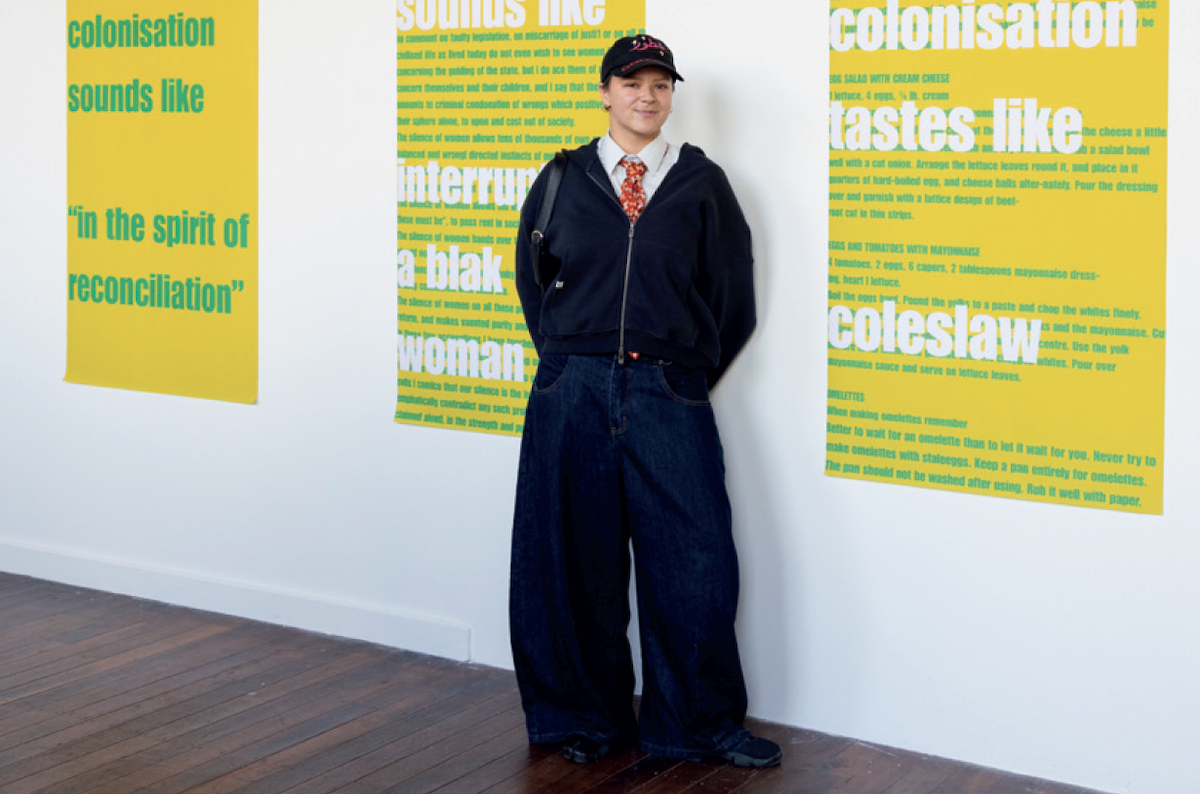
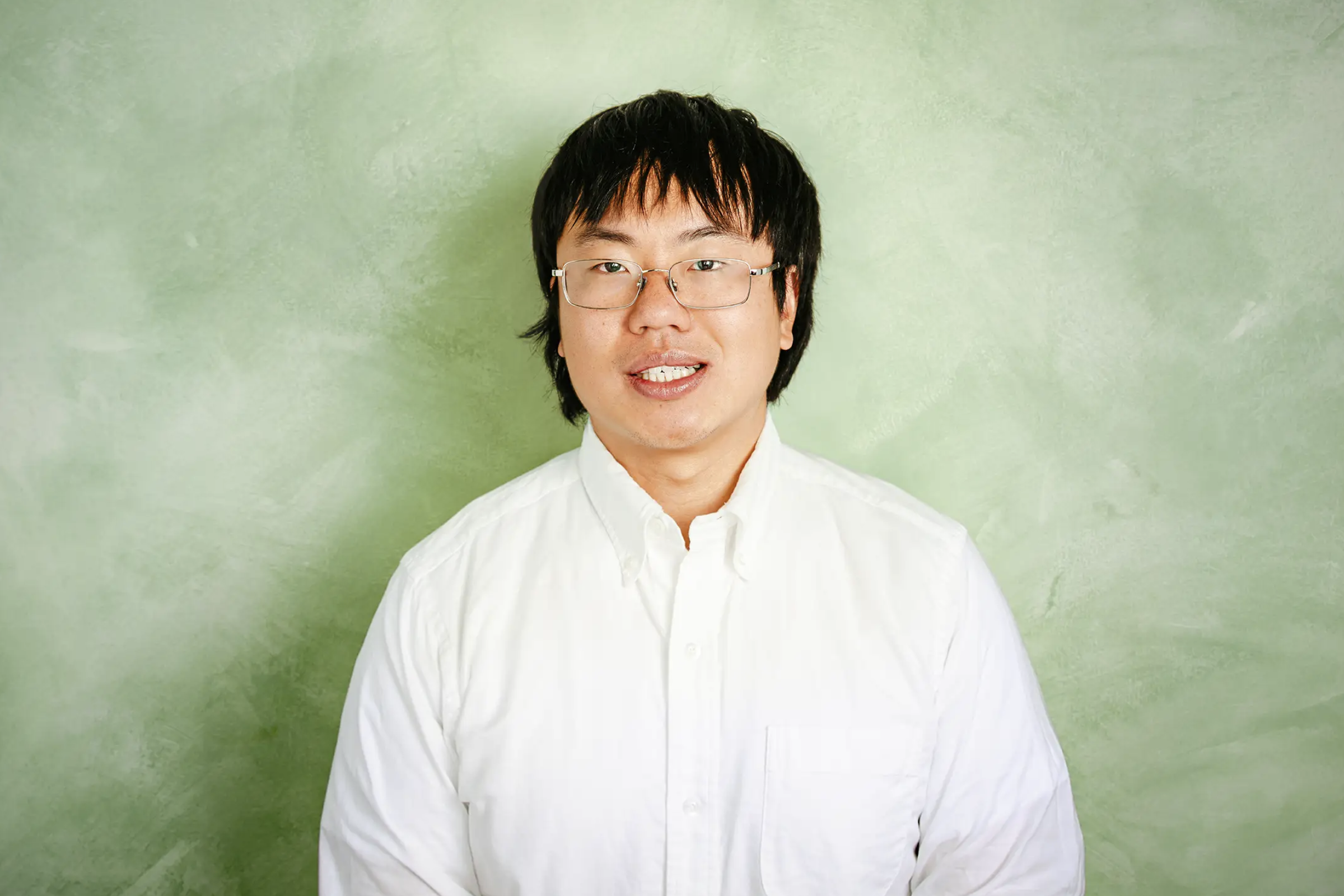
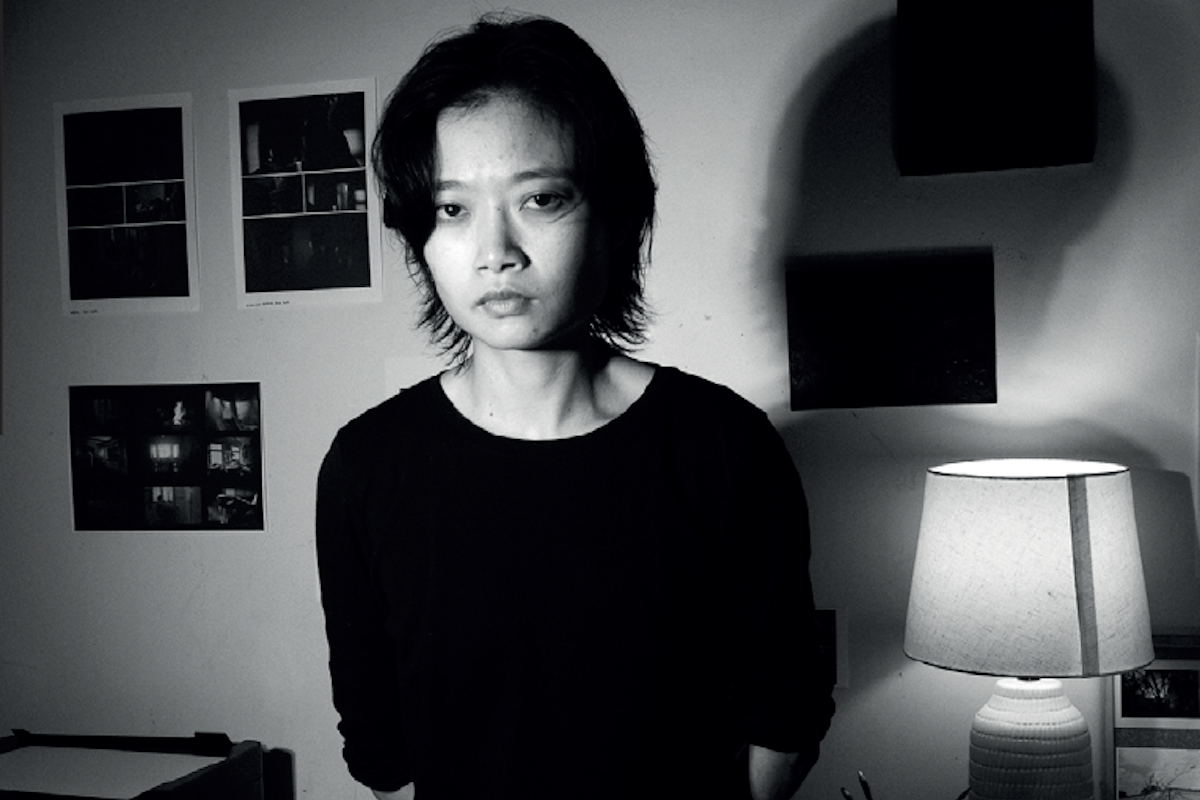
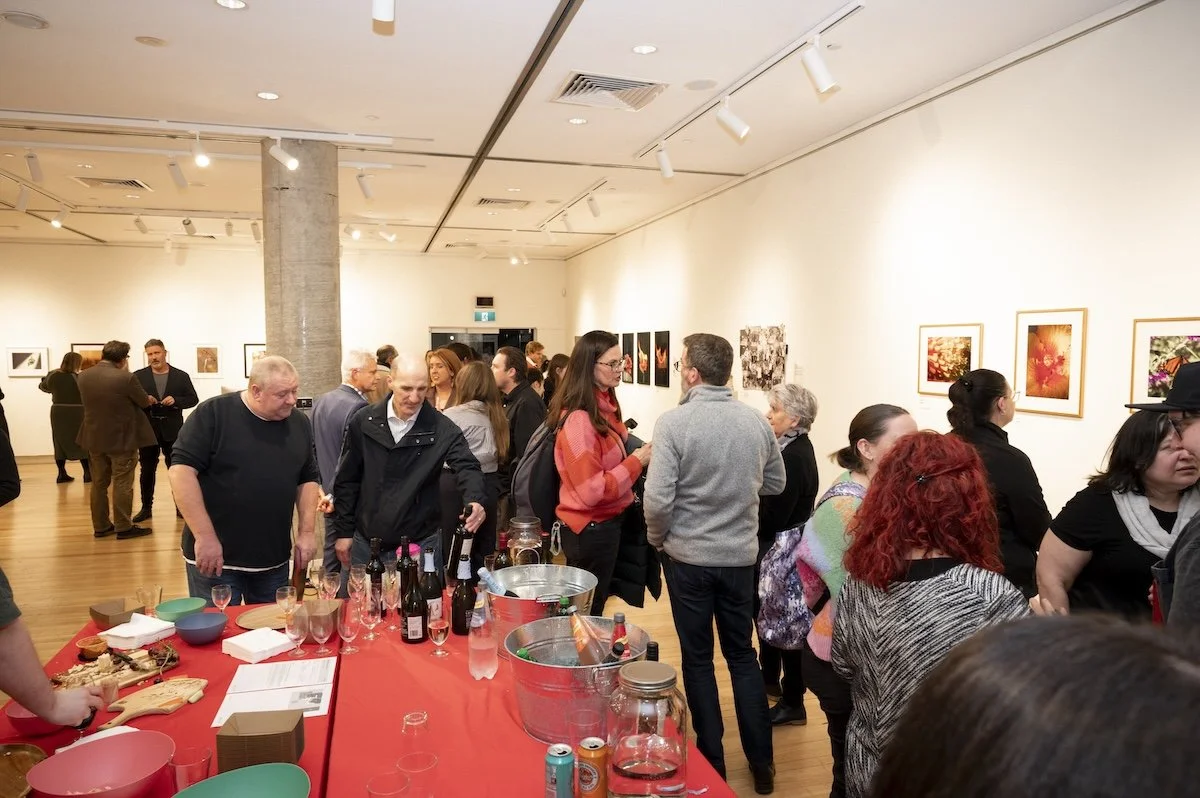
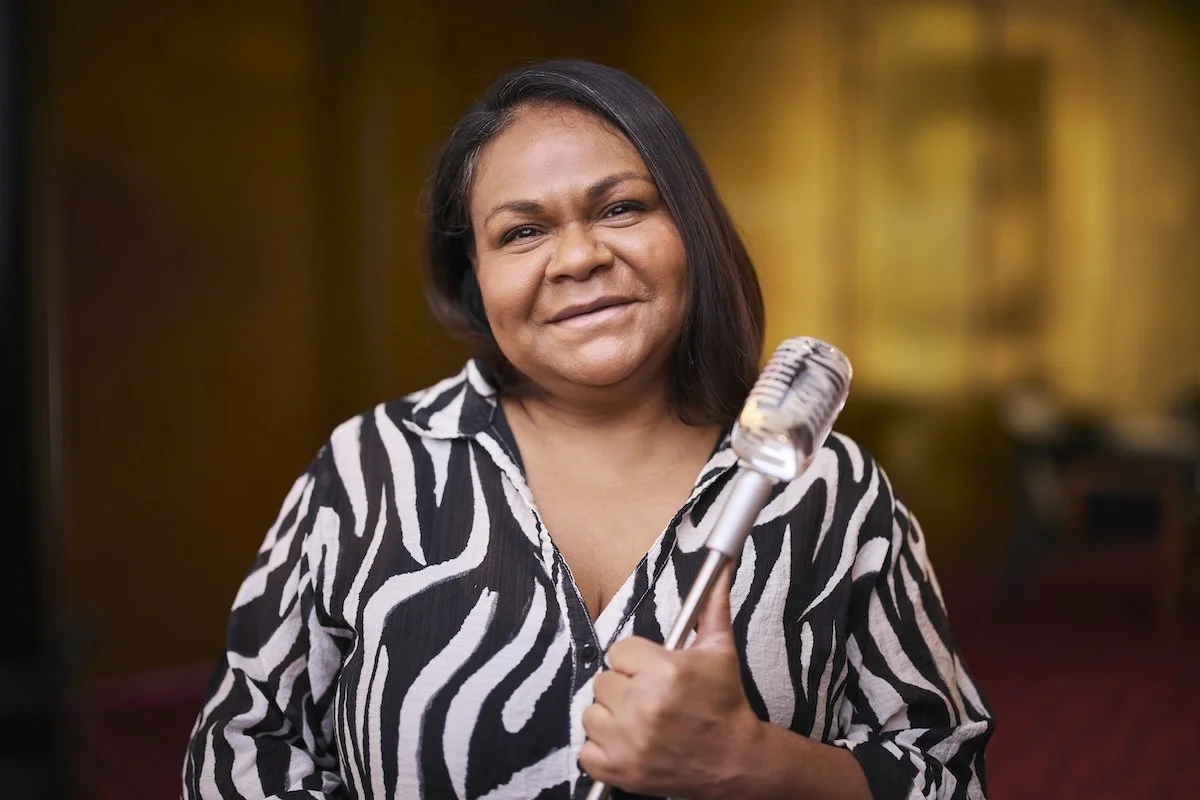
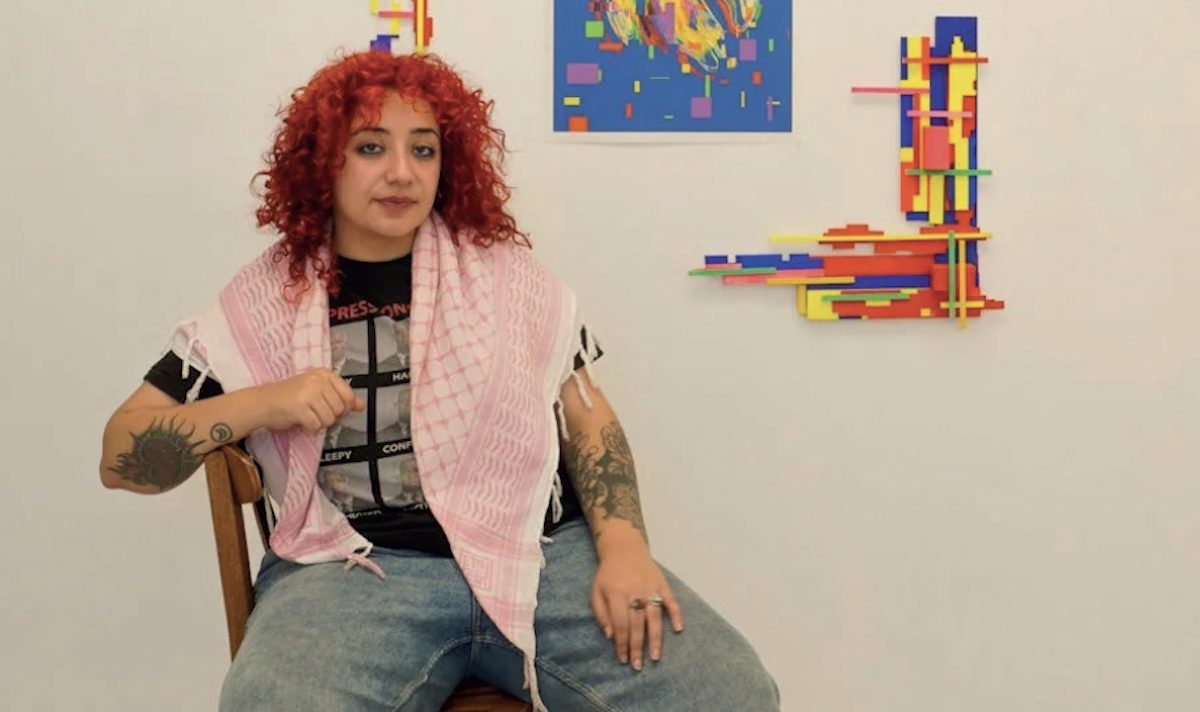
Fresh from wrapping up their exhibition, blak & (un)bothered at Post Office Projects, Gugada and Wirangu artist, writer and curator Jayda Wilson explores language, archives and family history through text, sound and storytelling. We caught up with Jayda to chat about language, their Nana’s influence, what’s on repeat, and why the best art is often fuelled by rage.
What do you do? Tell us about your practice.
My practice is centred on (re)claiming language and translation, focusing on the (re)telling, (re)memory, and (re)archiving of my Gugada and Wirangu family history, often told through poetics, sounds, and family archives.
Congrats on your recent exhibition at POP! Can you tell us a little bit about what you wanted to explore?
blak & (un)bothered: you can hear it, smell it, taste it, feel it, see it. Colonisation is a sensual experience, a sensory archive of interruption all wrapped up in green and gold (Aussie, Aussie, Aussie. Oi, oi, oi). The colours green and gold were taken from the Wattlebush. I stuck true to layering text, a common theme throughout my practice. The green text is pages from colonial texts I’ve borrowed from Mirning artist and academic, Ali Gumillya Baker’s Racist Text Collection (2014–present). Fun fact, Ali and I are related through our non-Indigenous ancestor. The white text layered over the green is a bit big tongue-in-cheek, a bit unserious, a bit (un)bothered. It’s inspired by personal experiences and things that are odd in the colony and only exist because of colonisation. This layering of text and the colours are a bit overwhelming, you don’t really know where to settle your eyes, much like the colony.
It’s awesome to witness people saying “colonisation (insert sense) like …” because it’s short and sharp, easy to play with and a little pause to acknowledge why it might exist.
You’ve been part of Adelaide Festival Centre’s First Nations Fellowship both as an artist and curator. What’s something that experience taught you?
It was a foot into working in the arts and gave me the opportunity to use my skills and knowledge as an artist in an arts administrator capacity. My first involvement with AFC was as a writer for the 2023 defi-Nations exhibition which explored First Nations languages through verse.
In 2024 I was the curator of defi-Nations which felt like a full circle moment, and I was able to platform local, interstate and young writers across multiple language groups. This led to me becoming the Kumarangk Associate Producer at Country Arts South Australia, overseeing creative outcomes including an exhibition, feature film documentary, theatre production and the establishment of a Kumarangk community archive.
Is there a project you’ve worked on that feels especially important or close to you?
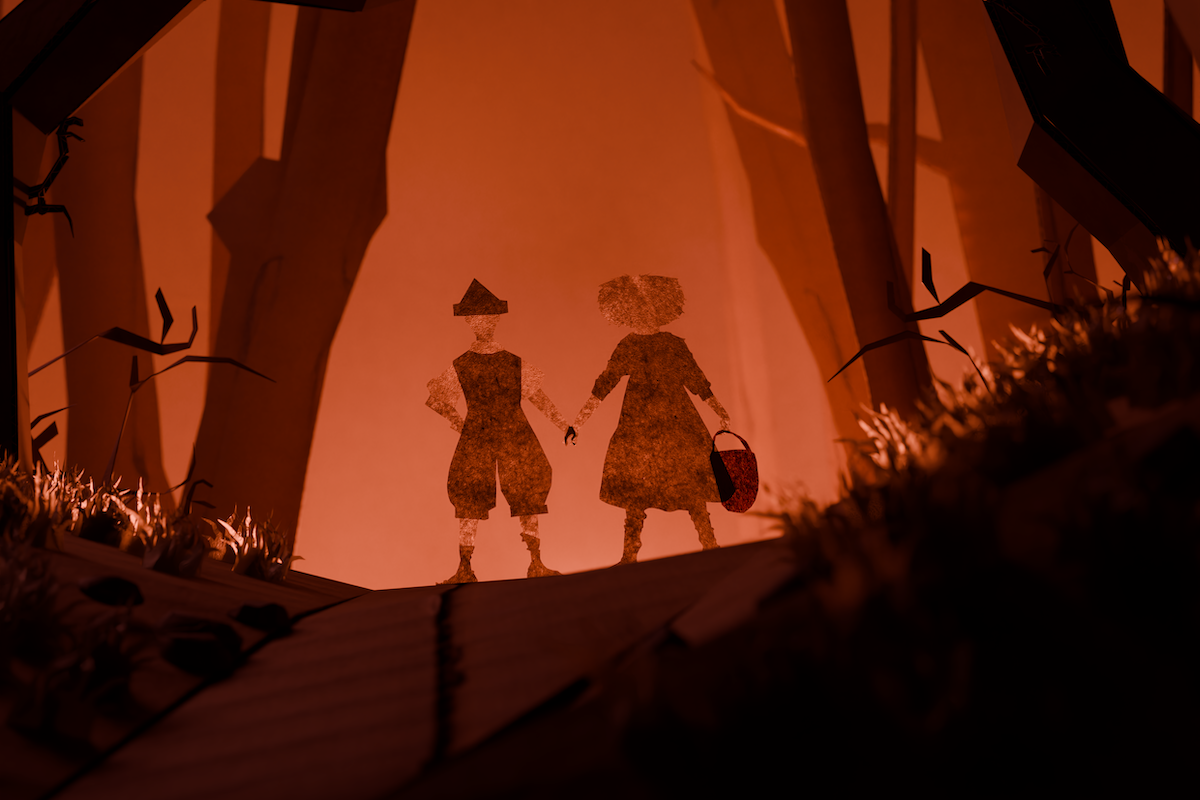
blood reign II feels incredibly important to me. It’s a sound work that includes the oral history interview of my Nana, Neva Wilson, paired with my voice. She talks about her family’s experience of growing up under assimilation policies, the Aboriginal Protection Act and the loss of Gugada and Wirangu in the home. I’ve then paired my voice, speaking back to Nana, (re)telling the experiences in Gugada and Wirangu.
What are you listening to, reading or watching right now?
Listening to: ‘I Like It Hot’ by Honey Dijon and Greentea Peng ON REPEAT but also ‘Love Letters / رسائل†حب†’ by Saint Levant. Reading: White Tears/Brown Scars by Ruby Hamad which unpacks gendered racism and the weaponisation of white women tears. Watching: Derry Girls.
What advice would you give to emerging artists finding their place in the arts?
Art is a space to say whatever you want, and the best art is always radical and unapologetic, so go explore your rage.
Stay up to date with Jayda Wilson @jyduhh