Nick Barker and the Reptiles: How an Old Cassette Sparked a Comeback
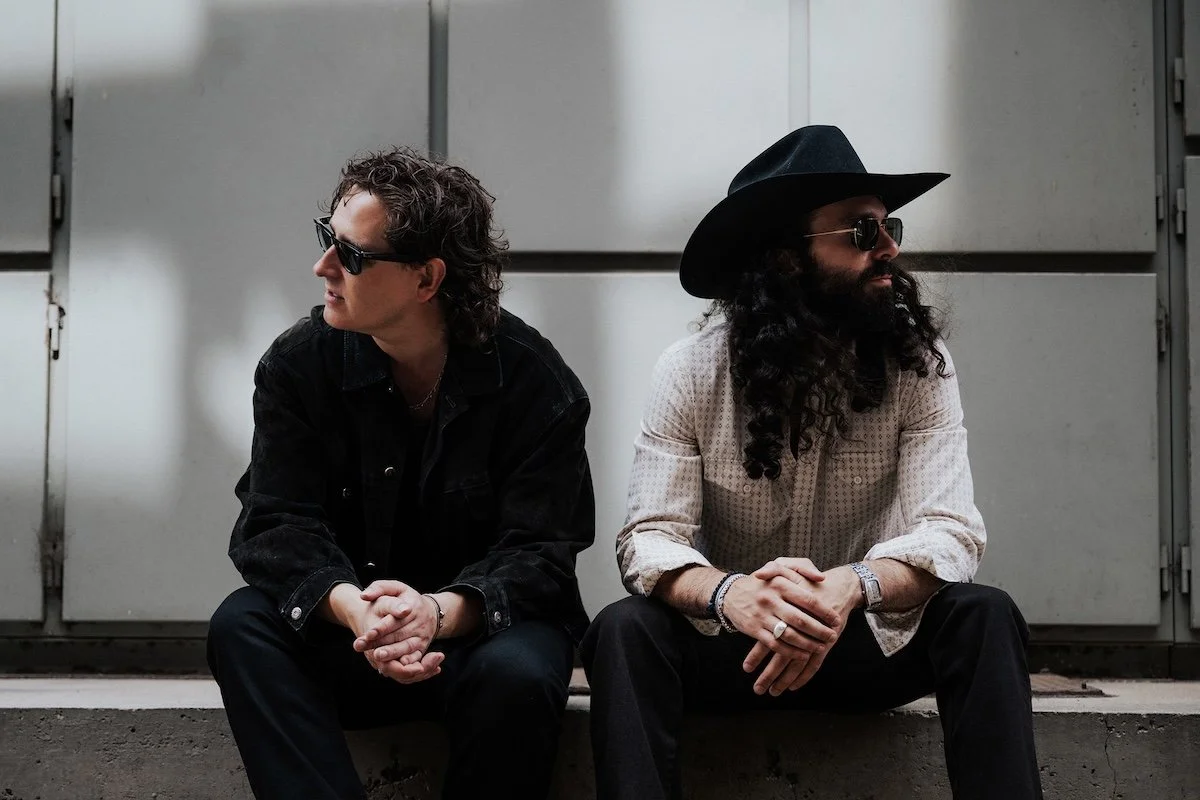
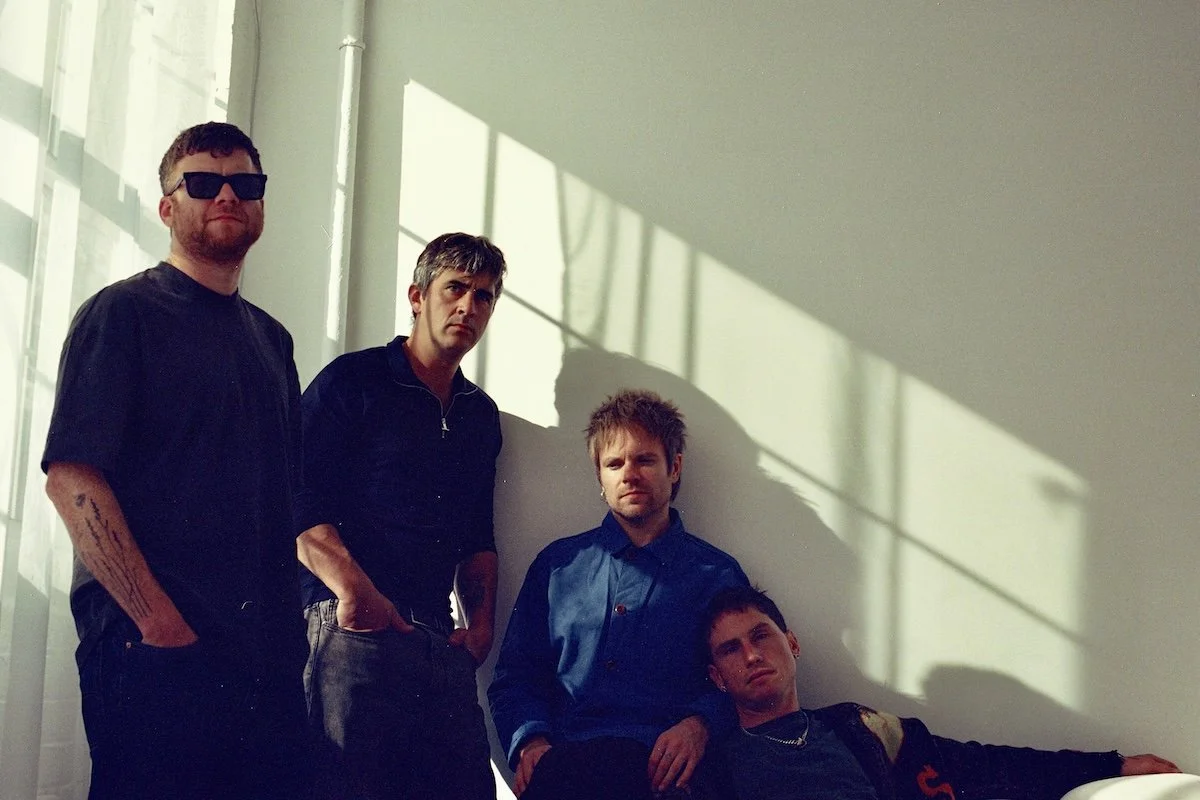
Over 30 years since their last release, Aussie icons The Reptiles return in 2026 with Loose Vol II. The Note spoke with frontman Nick Barker about the release and his thoughts on the impact of the digital world on music.
Words Danny Wallace // Image supplied
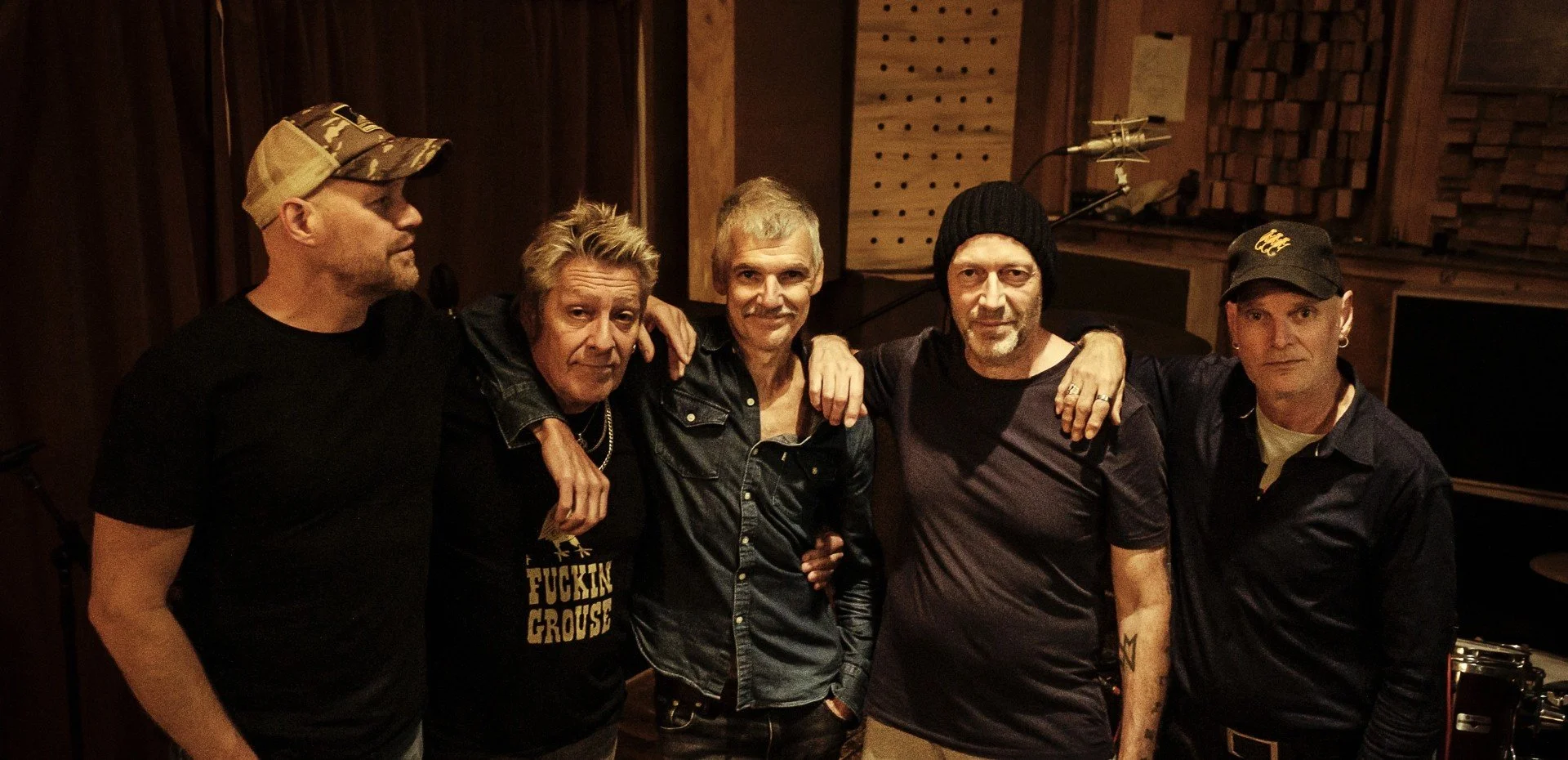

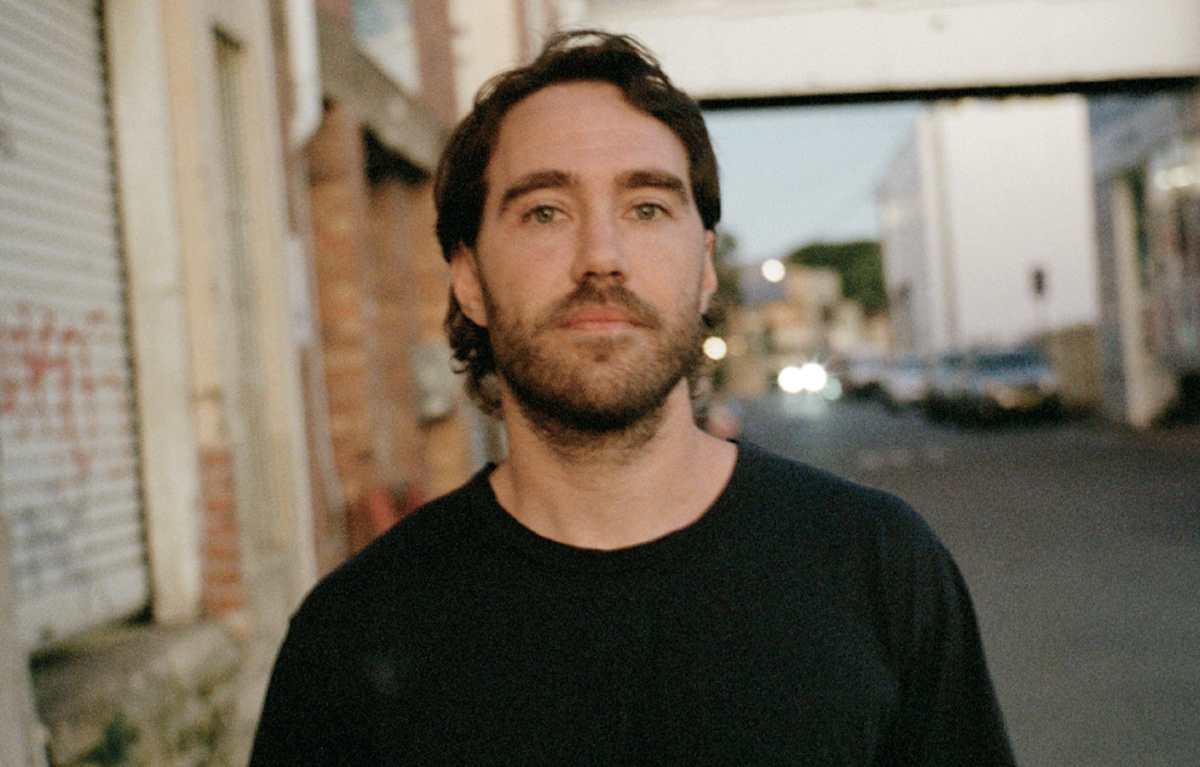
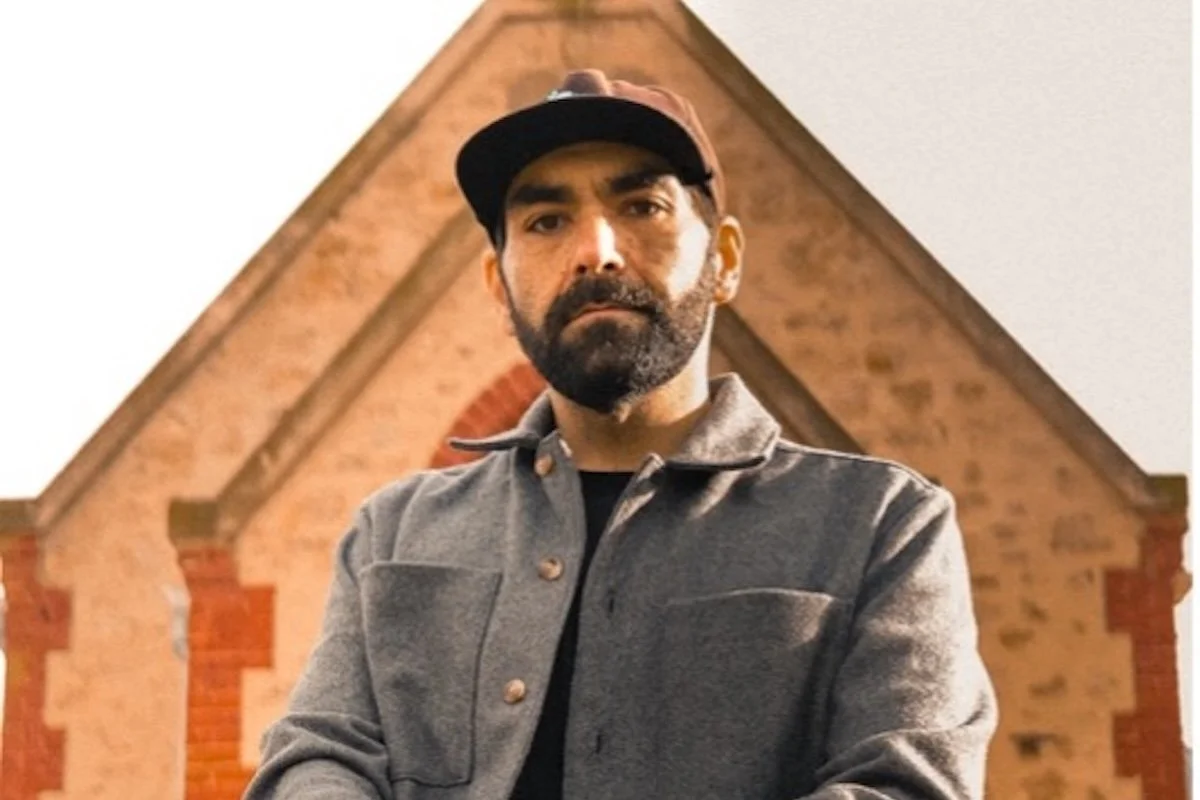
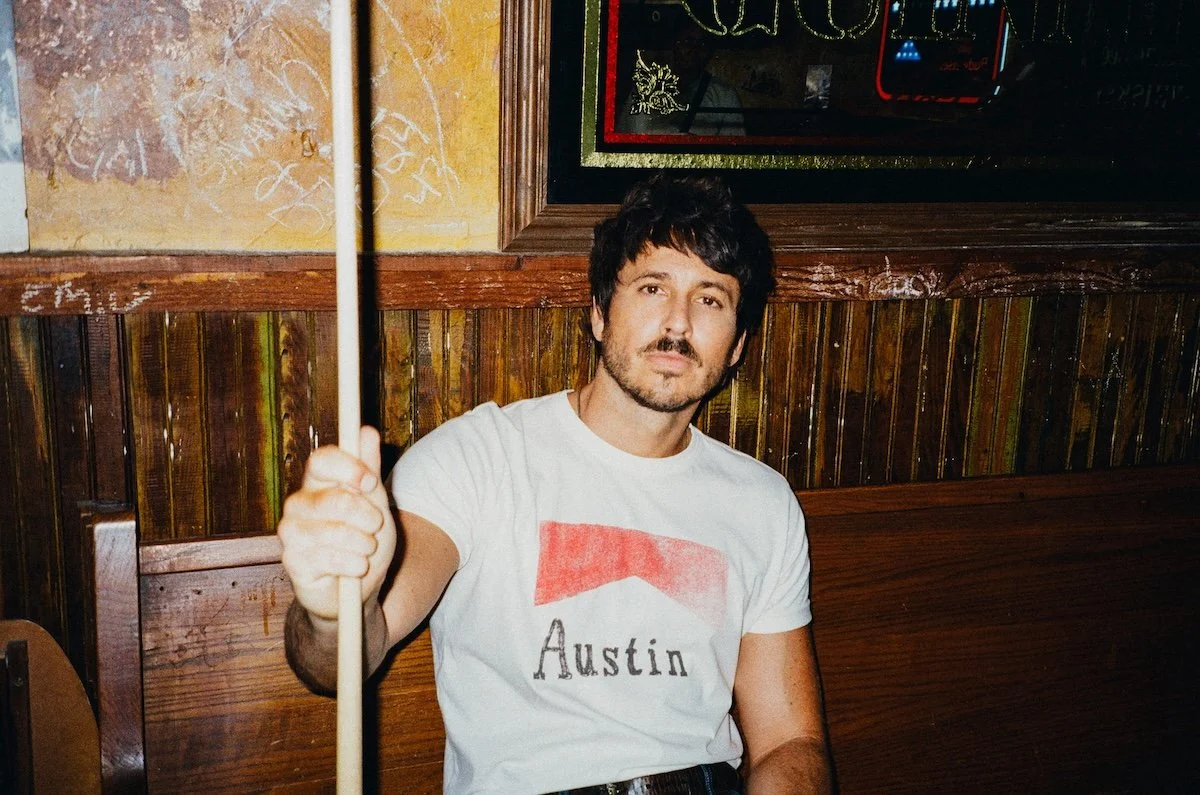
Nick Barker is an iconic Australian singer and songwriter from Melbourne, best known as the frontman of Nick Barker and the Reptiles. His career has spanned five decades, and there are no signs that he will slow down any time soon.
He released his most recent solo album, Exoskeleton, in 2023, and in 2025, toured solo in support of James Reyne and Boom Crash Opera. From art rock chaos makers The Wreckery to a solo career spanning several genres, Barker has never shied away from doing exactly what he wants in the way that best suits him.
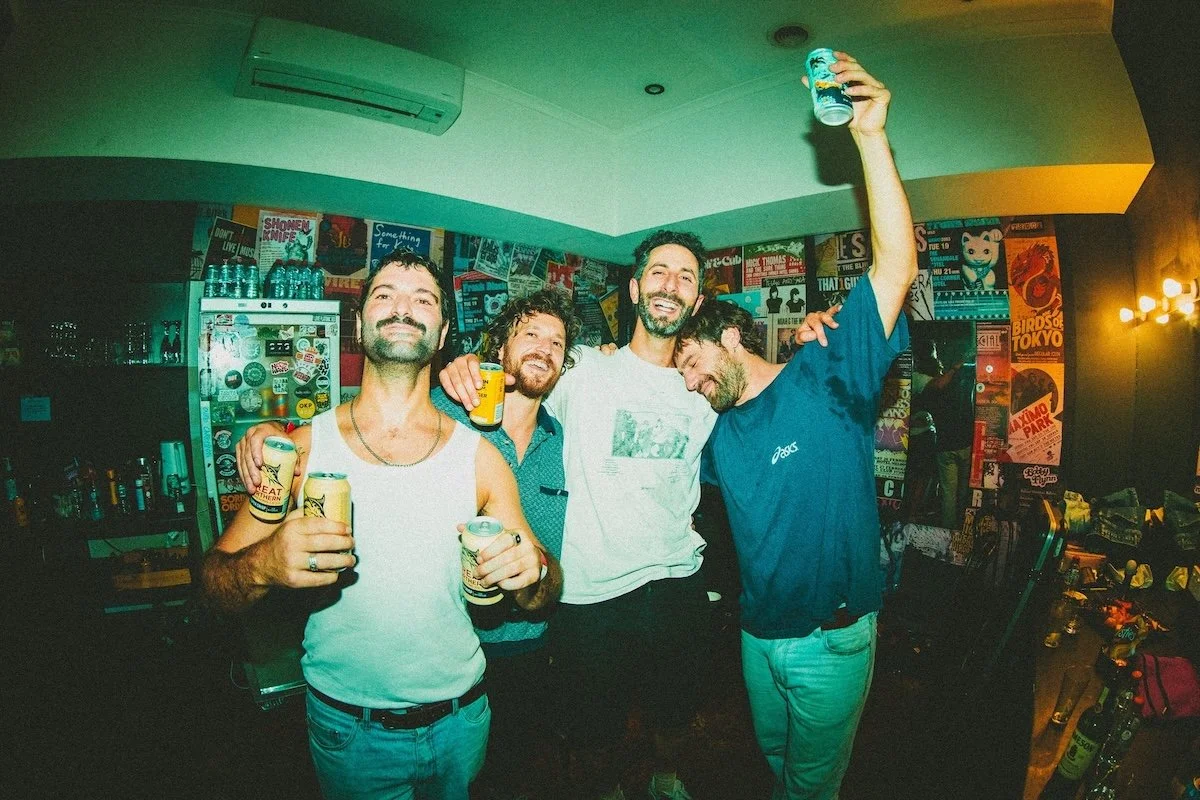
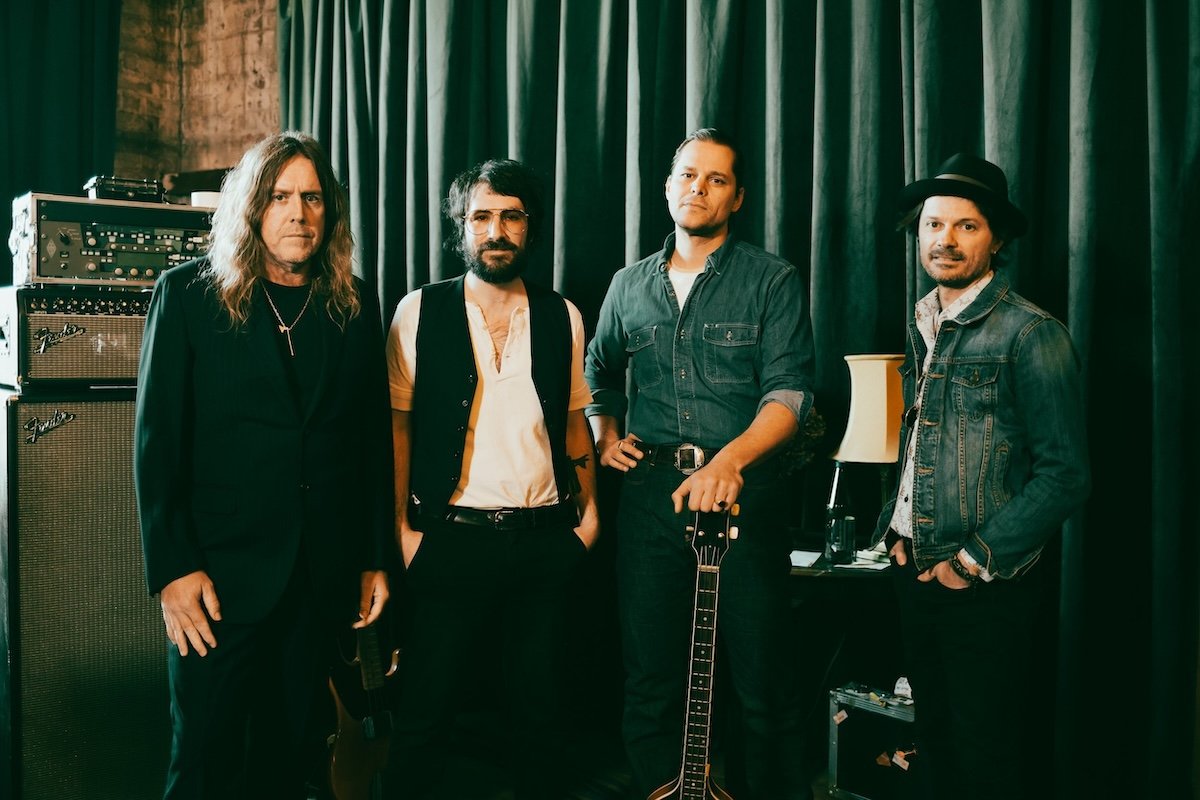
Last year, the discovery of an old cassette of demos led to the reformation of his iconic rock and roll band Nick Barker and the Reptiles, which in turn led to the recording of their first EP since 1992.
The Note caught up with Barker via Zoom on a roaring 43-degree Melbourne day, and our conversation covered numerous aspects of his career, beginning in 1988 with the Reptiles. The band’s last major release was the Loose EP in 1992, so it’s been a long time between drinks. Despite the passing of more than three decades, the new EP picks up right where the previous one left off.
What was it that inspired this reunion?
“I found a cassette, a rehearsal cassette,” says Baker. “I was going through all my old stuff, and my oldest son, he gets stuff out of hard rubbish. He gave me this cassette player. You would not believe the amount of cassettes that are around for everything that we did back in the ‘80s, whether it be mixes, drum tracks - at the end of every studio session, they'd give you cassettes. You end up with these big piles of cassettes. I thought, ‘Right, I'm gonna go through all of them, and I found this’.
“Just like I used to have cassette players in the rehearsal rooms in the P.A.'s. They sound like shit. I mean, all the hipsters probably love them now because they got this really lo-fi kind of thing going on. So long story short, I found this cassette. And it was the Reptiles from probably 1988, just rehearsing. There was so much fuckin’ energy, and it was pretty heavy.”
Barker goes on to explain that while the first Reptiles 1989 album, Goin’ to Pieces, was raw and captured the live energy of the band, the recording of the second full-length, 1991’s After the Show, was a much less organic experience. After signing to a major label, the pressure was more apparent. A lot of money was being spent on the band, and the whole process felt diluted.
After The Show had a bunch of great songs on it, but something was off about the production to me. The drums were too big and overpowering and the snare was huge but sounded sterile. This is something Baker agrees with.
“I was twenty-two. I had in my head what I wanted to do, but it ended up sounding like a typical fucking ‘80s record. Massive, gated reverb on the snare. There could even have been some samples in there for all I know.”
The recording doesn’t sound like the Reptiles drummer either; it seems too rigid with no real swing. The drums on the first album feel loose and have a real groove.
“We definitely tracked it all live, but after listening to that cassette and then going back to listen to the record, it’s shit to listen to, and then going on to Loose, that's back to more of how we actually were,” says Baker.
“We had a lot of pressure on us on that second record, make no mistake. They'd spent a bunch of money on us for that first one. It didn't sell well compared to what other bands were selling at that point in time from the record company's point of view. So, the pressure was really on for album two. There were some good songs on there, but I just didn't have enough time to come up with enough fucking good songs. It's the story as old as time itself in rock'n'roll. You have your whole life to write your first, and six months for your second record.”
Barker feels that the band’s 1992 EP Loose is a much better representation of the band. He’d been listening to a lot of the Black Crowes and other similar bands and felt that was much closer to the organic sound of the Reptiles. After hearing the aforementioned rehearsal tape, Barker was inspired by the way it felt like the real band, and how, if the songs had a more spontaneous recording style, it would have made for a more accomplished follow-up than After the Show.
During the early days of the Reptiles, everything ran to a schedule. Barker’s preferred spontaneous style of creativity was more difficult to accommodate, which was not encouraged in commercial music during this period. For the upcoming EP, titled Loose Vol II, spontaneity was the key.
“It was really nice to just go in and bang it out,” Baker says. “We didn't even really rehearse for that recording for the latest EP, which is kind of how we worked. The songs aren't that complicated; they're just dumb songs, and everyone in the Reptiles is great. People forget that bands like us are just fucking old guys reforming. Everyone still plays in other bands and projects. Everyone except Dave Pinder, the drummer, he’s a way better drummer, just great. I think it’s got to do with pressure. Drumming in a studio when people are on at you all the time would be the hardest gig. Trying to make somebody use a fucking click track when they’ve never used one before.”
READ MORE: Beccy Cole Finds Strength Through the Pain on New Album ‘Through The Haze’
It was a completely different time. Everyone in Australia was obsessed with making it in America (“selling ice to Eskimos,” as Barker describes it) and making records over there. The Reptiles spent a lot of money over this period. Remarkably, Warner Brothers still occasionally sends a spreadsheet telling the band that they owe money.
“It’s not money you're going to have to pay back,” he says. “They’re not gonna come around and break your legs. But you were never going to make it unless you sold a million records. The bands that sold a lot of records, Jimmy Barnes, Diesel, Boom Crash Opera, Noiseworks, etc., you’re talking 300,000 to 400,000 copies. The Reptiles never came close to anything like that, and these were the expectations. That’s what you were dealing with if you got signed to a major label.
Listening to Baker’s post-Reptiles records, such as Happy Man or the song ‘Thylacine’ from Annie Get Your Guru – it feels like he wasn’t enjoying himself during the Reptiles era.
“I was 100% completely out of my depth, man,” Baker confesses. “I was just a guy who played bass in an indie band (The Wreckery). I wasn't ready for what was coming. I don’t think anyone was, plus there were a whole lot of other things going on. I was a young guy who didn't know what I was doing, but I also was pretty willing to please. I felt like these people (record company types) had given me a lifeline.
“I would have signed anything and would have done anything they suggested, pretty much. As you get older, you realise it’s nobody’s fault, it’s just the way the music industry works, even to this day in a lot of capacities. I think bands have more control now, and that's good, but then you've got all this other stuff going on, you know, like with streaming, and who knows where that will go now.”
Over the course of his career, Baker has gone through various types of media distributions. Vinyl, cassette, CDs, and now streaming. A quick Google search shows that many people think the album listening experience is dying. Streaming relies on an algorithm that directs people towards listening to singles and creating playlists.
Does it make it harder to put music out there with this digital evolution?
“I guess not for me because the sort of people who listen to my records, most of them are over the age of 45,” Baker says with a laugh. “So, if they're using streaming services, they've got more concentration, or they buy CDs, vinyl. My last solo album that I put out (Exoskeleton), I sold more vinyl than CDs. We’re talking about a cottage industry here. I sold more vinyl than I did CDs, which is pretty weird.”
Barker loves Exoskeleton because he had no vision for it. The songs were written in weird keys to play live because they were never road-tested. Recorded with his drummer mate Leroy Cope, Barker played almost every other instrument on the record. For Barker, it was a joy to record because for the first time, he was completely unencumbered and created the LP entirely on his own terms.
“There's always that balance with music, where you want to be fairly compensated and make money out of it, but you also want people to fucking hear it, right? I just want people to listen to it. And if that means putting it on all these platforms, then so be it. And kids are incredibly innovative when it comes to social media and YouTube and that kind of thing. In a lot of ways, from my point of view, I think, let them have it. I’m in their world now. I’m 61 years old, and I use social media to the best of my ability. I use Facebook basically to do everything now, to promote gigs, to promote everything. And I've got enough people on there who dig what I'm doing. But once again, you're talking within these cottage industry parameters. And if you're okay with that, which I am now, it's fine.”
One of Barker’s songs, ‘Thylacine’, is a melancholy song inspired by a Thylacine (Tasmanian Tiger) he saw in a museum. The lyrics capture a genuine sadness for the human impact on this amazing creature, but there also seems to be a rawness to the track rooted in something more personal.
“Around that time, there was this spate of Thylacine ‘sightings’ in Victoria, and some guy even said he saw one near a country service station,” explains Barker. “It made me think of the poor old motheaten specimen they had at Melbourne Museum when I was a kid. It was in a case on its own, no diorama like all the other taxidermized animals, just placed in a corner. I guess I had been feeling a little like a has-been as well, so I tied that in there with the lyrics. But it is an intensely tragic story, just like a lot of Australian colonisation history, but I am always fascinated with the Tassie Tiger. The Marsupial Elvis line, I reckon, is one of my best!
“PS - He's in the new museum now...same old guy...They did fix his eyes up, though.”
Loose Vol II by Nick Barker and the Reptiles is out March 27. They open for James Reyne at Hindley Street Music Hall on May 15 and play a headline show at the Grace Emily Hotel on May 16.