Touch Grass: New Zealand’s Mā Continues A Tradition Of Nature Storytelling Through Song At Womadelaide
New Zealand-based Māori musician, artist and biodiversity ranger opens up about how her day job intersects with her music career.
Words Aleisha McLaren // Image supplied
This feature was created as part of The Music Writer’s Lab 2026.
Within the Adelaide Botanic Park, a network of streams demarcated the festival site of WOMADelaide from the sprawling chaos of the Fringe. During its hot afternoons, families, music lovers, hippies and hippies-for-the-weekend formed clumps inside the perimeter of shadows cast by the muscular Moreton Bay Figs.
At night, branches of pine and eucalyptus danced in silhouette as Marlon Williams, the Yarra Benders and Ngā Mātai Pūrua brought Aotearoa’s velvet charm to Kaurna land.
As Australian summers get hotter, the joy of outdoor music festivals has been marred by fire danger and floods. But a change in the season - and the coolest on-site temperatures in a handful of years - made this year’s WOMADelaide site a natural fit for a slate of artists whose work continues an ancient conversation with their environment.
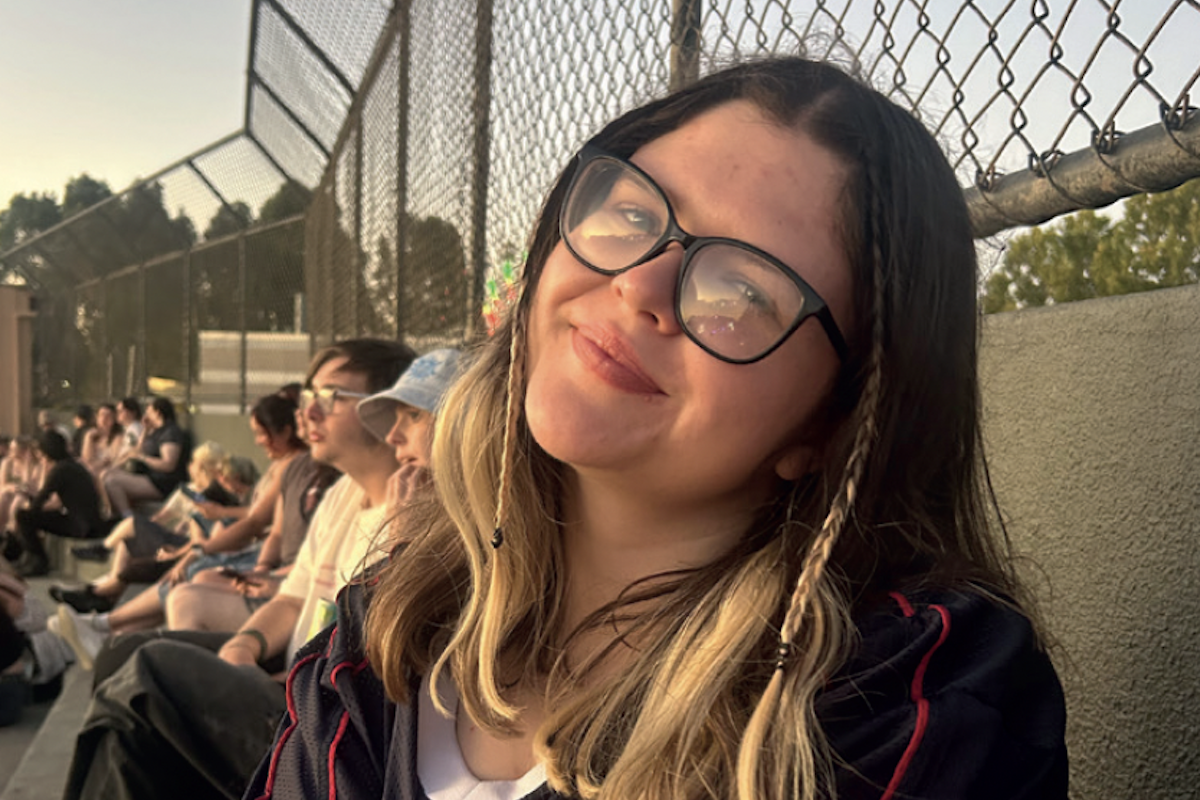
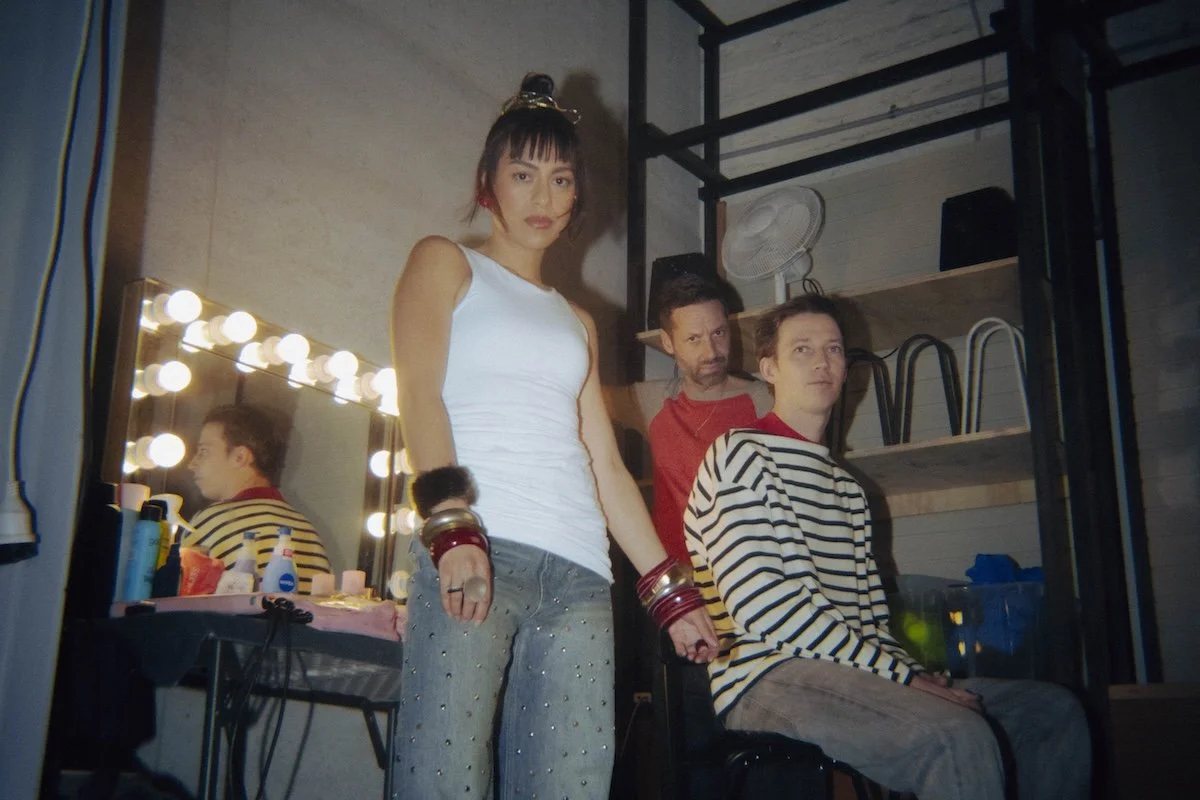
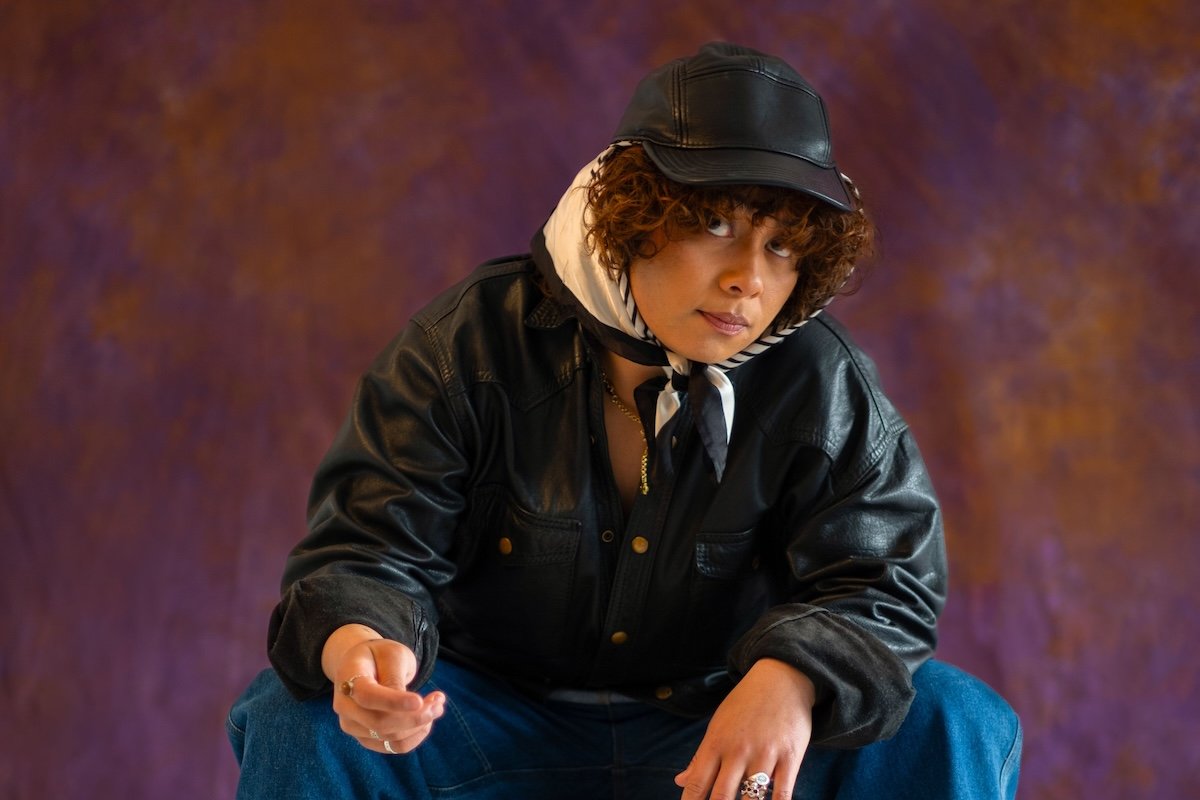
Nobody exemplified this purpose more than New Zealand rapper-producer Mā, who self-identifies as a “weed slayer”. By day, she works as a ranger, specialising in weed and pest management.
Mā does a lot of monitoring, observing and even dreaming about weeds, “because, you kind of have to know your enemy,” she told the festival on Sunday afternoon.
Recorded in the bush, each wiata on Mā’s latest album, Blame It On The Weather, is based around an area of conservation.
Mā dedicated the title track to the iwi and hapu who showed their manaakitanga following Cyclone Gabrielle, hosting tourists and keeping others safe despite their homes being hit the worst.
“In Aotearoa, we’ve had a lot of floods and a lot of big storms which have affected a lot of our smaller communities,” she said. “Cyclone Gabrielle is the big one that opened our [leaders’] eyes to - you know, maybe we aren’t invisible. Maybe the environment is bigger than us.”
There’s also a “love letter to possums”, the introduced species which the New Zealand government intends to eradicate under their Predator Free 2050 scheme.
In 2024, Mā attended a wānanga hosted by environmental advocates Te Tira Whakamātaki to exchange knowledge between Indigenous peoples of Aotearoa and Australia.
“Because possums are protected [in parts of Australia], a lot of Aboriginals aren’t able to continue their cultural practices, since they aren’t able to hunt them,” she explains. The exchange created an opportunity to trap possums in Aotearoa and send the pelts back to Australia, so the cultural practice could continue.
“It gives the possum some mana.”
Off the back of the experience, Mā wrote ‘Traps Jam’, with verses written from the perspective of a possum and a kererū. It sounds novel on paper, but in practice the wiata is empathetic and deeply funny, or “crack-up”, as she would say.
During Q+A, a woman approaches the stage. She’s holding a small possum cloak made by the Tūhoe iwi people, which her Māori-Kaurna baby wore onstage for the Welcome to Country.
“See? That’s top,” says Mā.