July Morning Breakdown Their Debut Album ‘The Colours of Darkness’
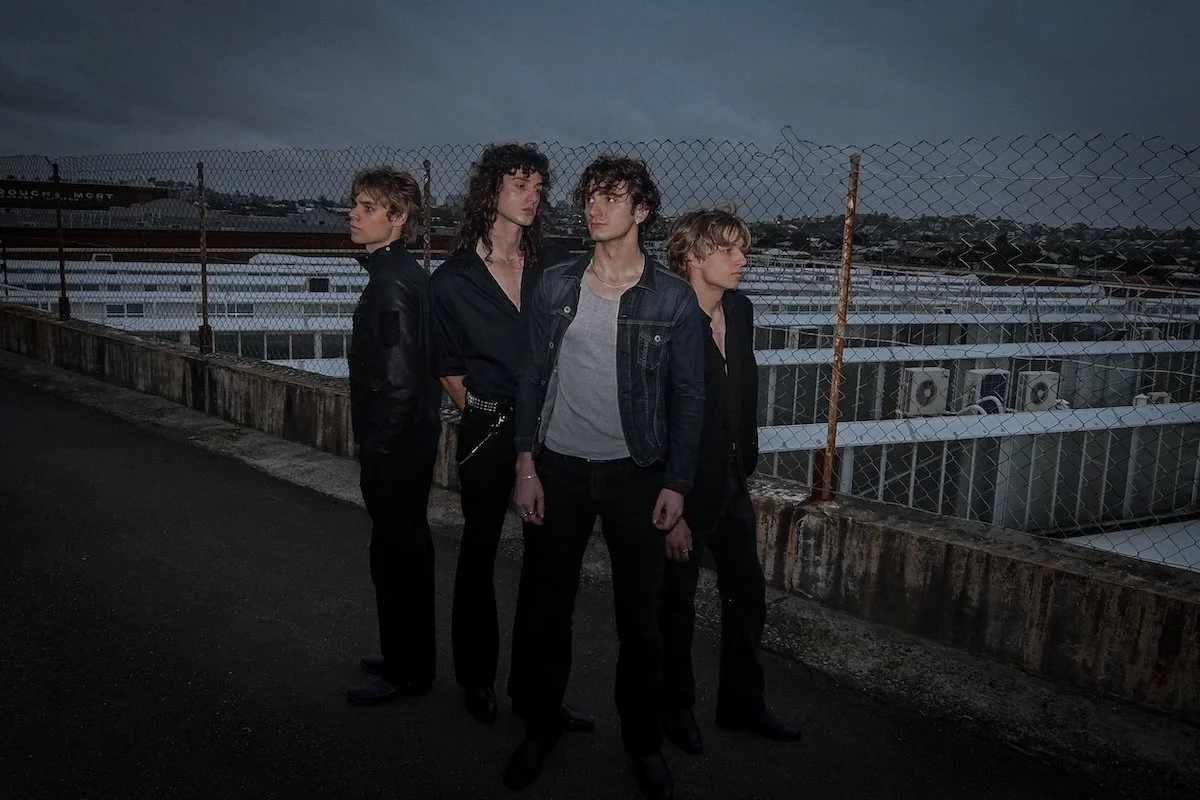
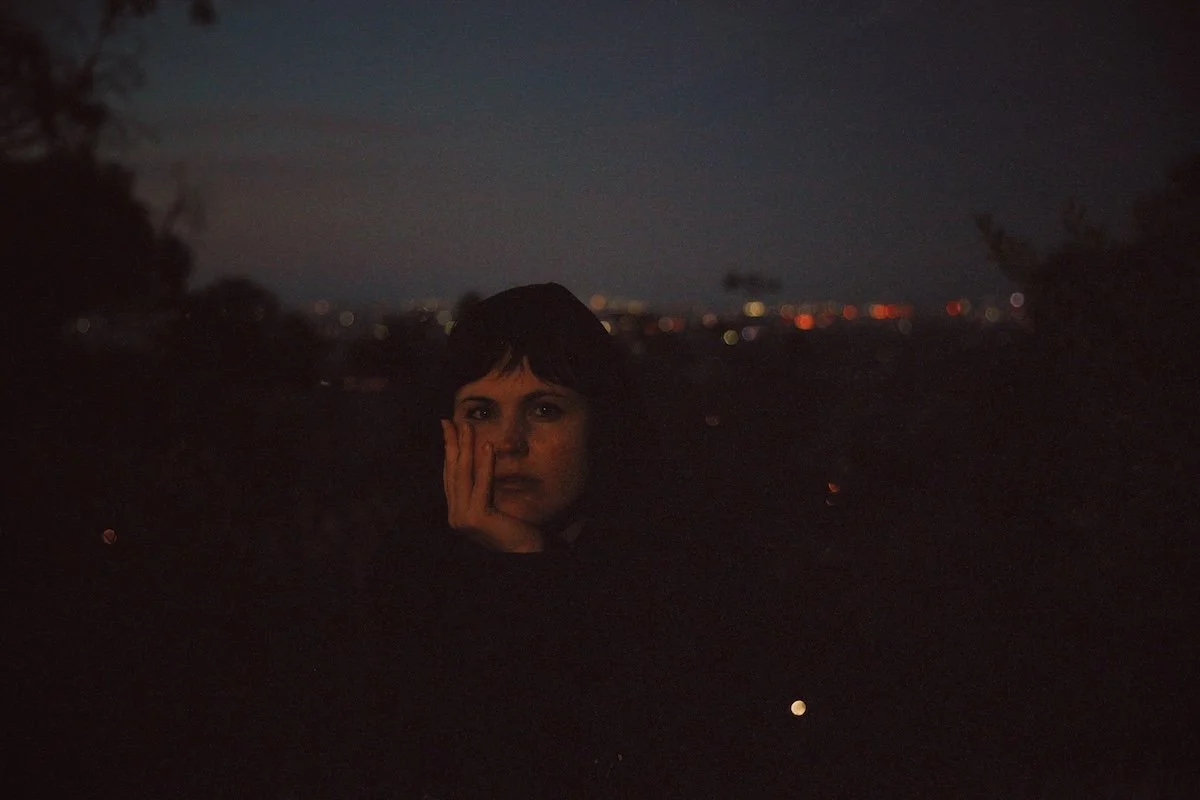
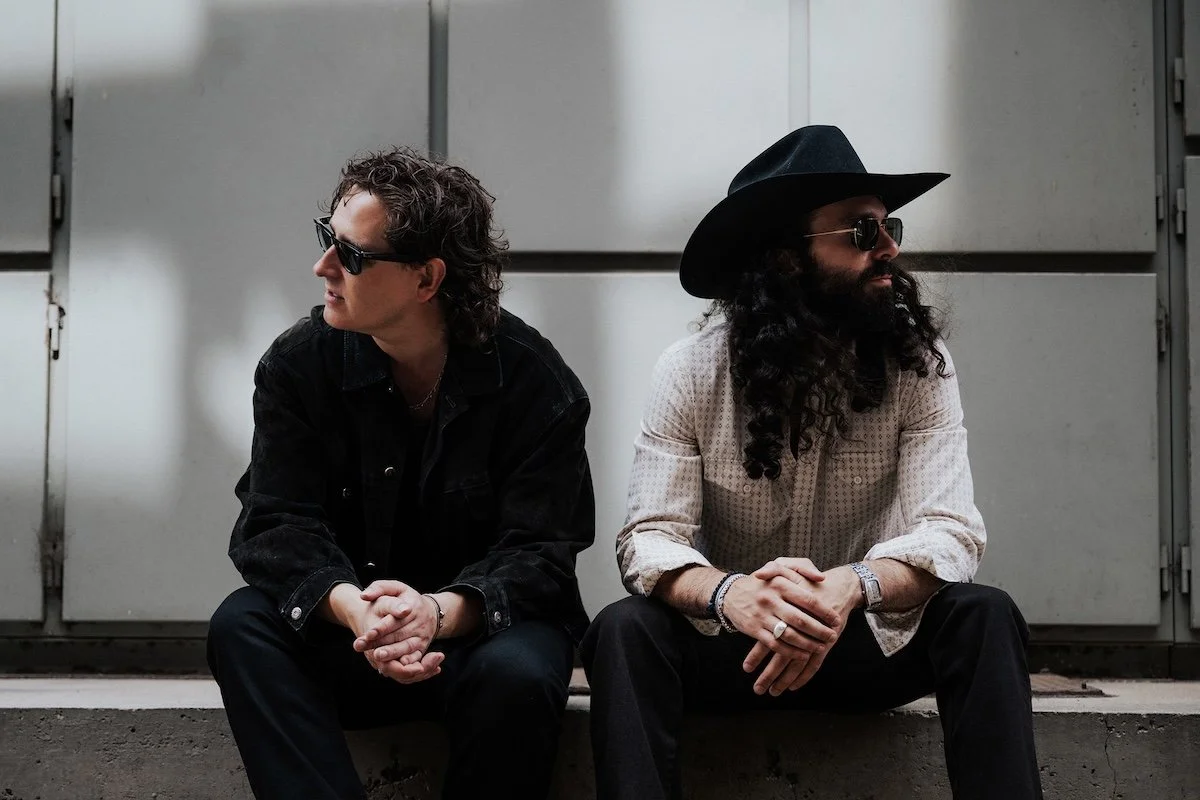
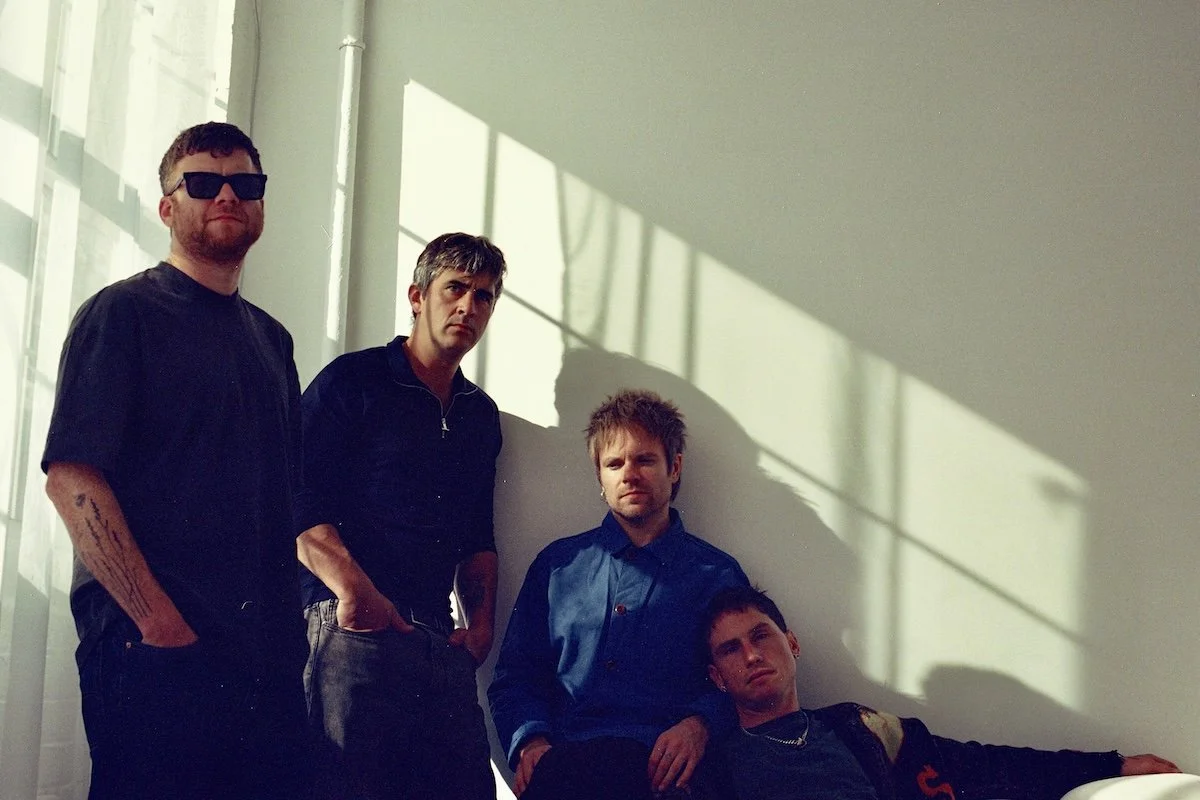
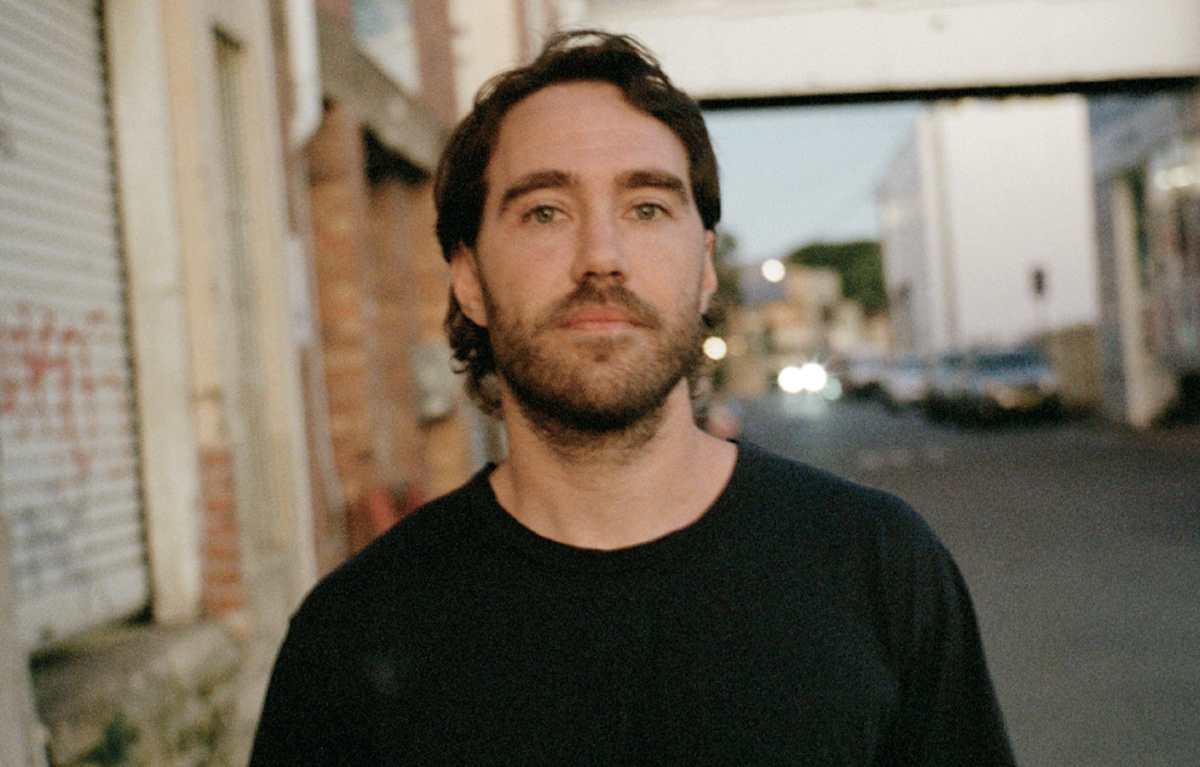
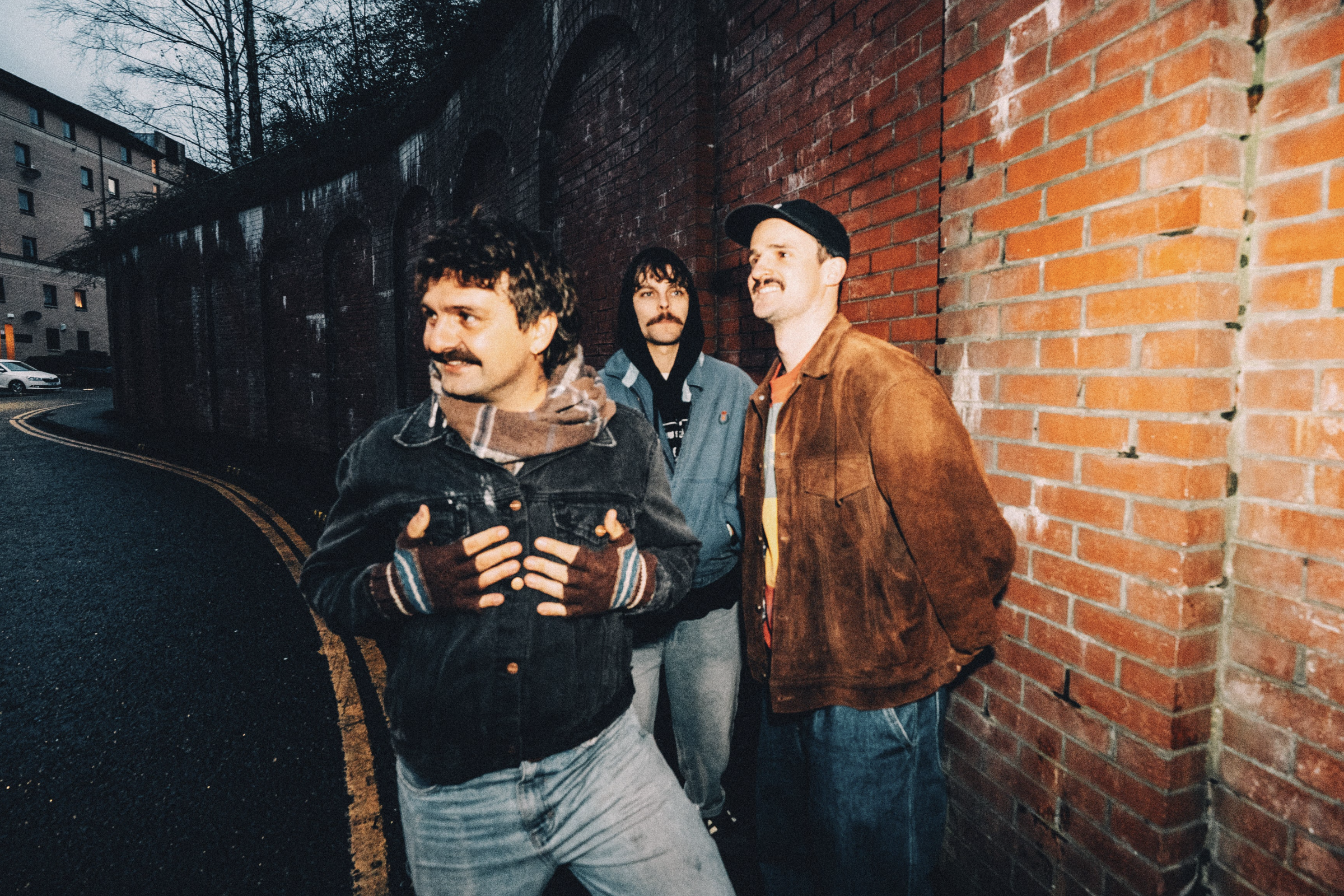
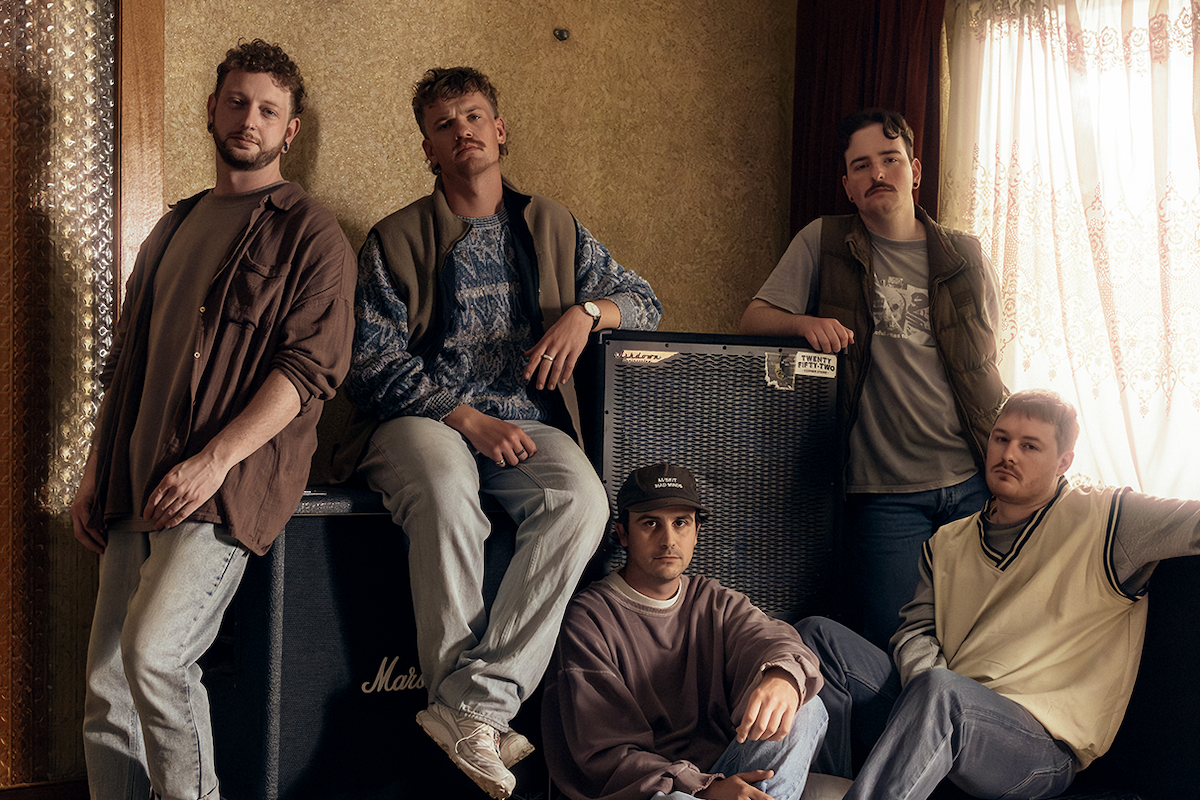
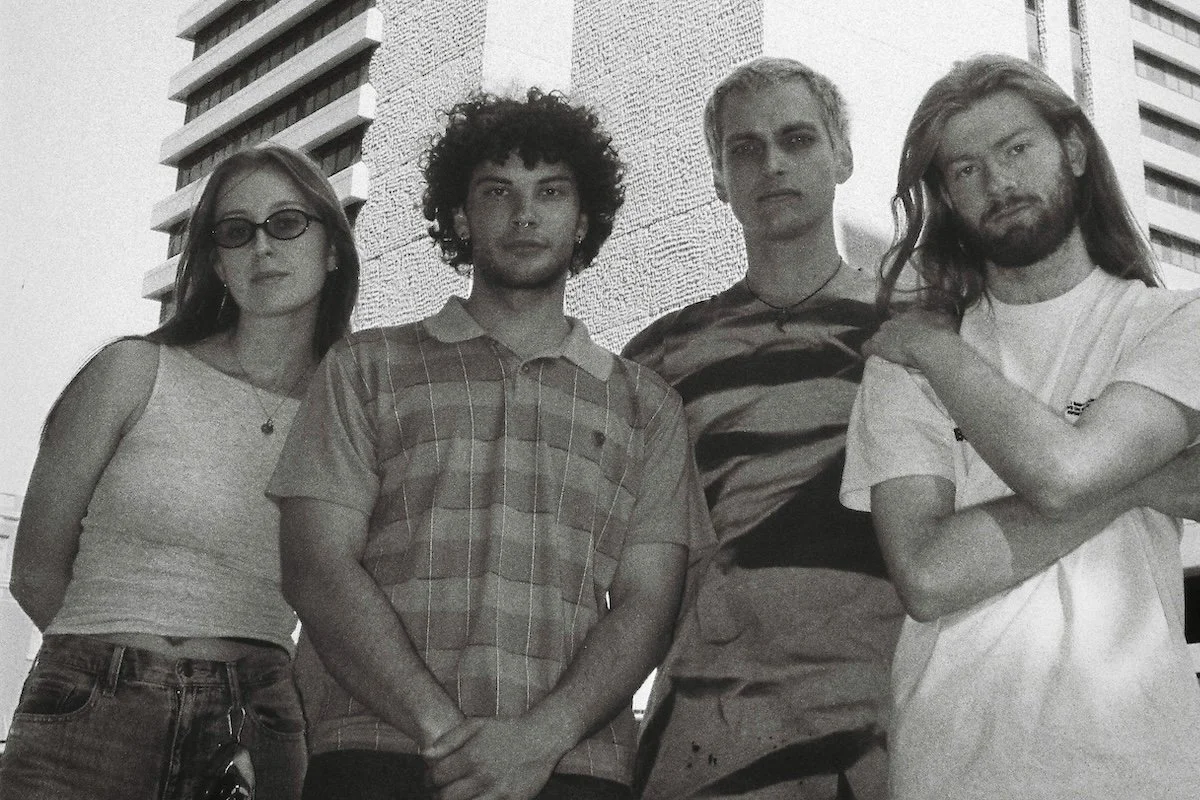
Emerging Sydney rock outfit July Morning have just released their debut album, The Colours of Darkness. Three of the four members spoke with The Note about what influenced the release, the band’s songwriting process and their favourite songs on the record.
Words Tobias Handke // Image supplied

For those unfamiliar with July Morning, tell us about how you got started. Also, does the band’s name come from the Uriah Heep song, or is that just a coincidence?
Owain: I’ve known Jesse for over 25 years, but we became good friends in high school. At some point, I started teaching him the guitar and this then evolved into us writing music together and forming July Morning.
For quite a few years, it was just the two of us playing live as an acoustic duo. When Jesse and I first decided to flesh the band out, Gideon was one of the first bassists we jammed with, and he’s been with us ever since. He’s also been a pretty good musical matchmaker. Apart from our first drummer, Gideon has been the one connecting us with drummers.
And yes, the band name does come from the Uriah Heep song. Not many people make that connection! I remember Jesse showing me the song as it has an excellent guitar riff. When we were trying to work out a band name, Jesse had the idea of using ‘July Morning’. That’s how good we thought the riff was!
All of you grew up in Eora/Sydney’s diverse musical culture. How has that impacted the music you make as a band?
Owain: We all bring different things to the table when it comes to musical influences. We all had different childhood musical experiences, then in our teenage years, we were taught by many different people who had their own impact and influence on us. Some of us have also studied music at university, which exposed us to even more musical ideas and musicians. After all of that, we then started gigging and absorbing ideas from all over the place. You can’t help but be inspired by it all and then have some of that seep into your own musical practice.
Gids: There’s so much good music coming out of Eora/Sydney, you almost can’t keep up! We live in a melting pot of music cultures from all over the world, and getting inspired by a new song you heard on the radio or at a gig can inform your next recording session. I think that’s one of the fun aspects of a long recording process, you may bring something different every time you step into the studio, and that might be the take.
You’re gearing up for the release of your debut album, The Colours of Darkness. The album explores themes such as isolation, depression, relationships and identity. Did the band draw from personal experience when writing these songs, or were you influenced by the world around you?
Jesse: The answer is definitely a combination of both, but it’s personal experience that was the catalyst. The primary motivation for putting this set of songs together was a severe bout of major depressive disorder that I fell into in early 2024. In the midst of the worst of it, I sat down with my guitar one Friday afternoon, after barely touching it for several years at that point, and began writing what would become the title track.
It was the first thing in some time that I felt anything positive about, even though I was writing lyrics about the experience of not wanting to be here. And so began my motivation to push forward and a desire to fight. But that experience alone wasn’t enough to turn into an entire album, not for me, and so we put together a selection of songs that contextualised our personal experiences in the broader, modern world that we all share.
Owain: I think it would have to be both personal experience and also the world around us. As our own experiences can’t help but be influenced by what’s going on around us. If I had to pick, though, I’d say personal experience would have played the largest part.
Gids: Even though I didn’t write the lyrics, I feel a connection to so many of the themes and emotions that our leading boys are bringing to life. Having gone through many similar experiences as what are expressed in the songs, it helps as a musician to attach meaning to what I’m playing in a more personal way.
READ MORE: Telenova: Finding Beauty in the Breakdown
There’s a real old-school sound to many of the songs. Does the band take influence from the ‘60s and ‘70s, and if so, are there any bands in particular that inspired the writing of The Colours of Darkness?
Owain: Yes, the ‘60s and ‘70s influence us a lot as songwriters. I grew up listening to a lot of British music from those times, such as The Beatles, Pink Floyd, Led Zeppelin, etc. They have been massive influences on my music taste and the sort of sounds I’m drawn to, which then, of course, comes out in my writing and arrangement choices.
Once Jesse and I became friends, he then started introducing me to a lot of other great songwriters like Neil Young and Bob Dylan, and also introduced me to classic progressive rock bands like King Crimson and Yes.
While some of the themes on the album are lyrically quite heavy, musically, there’s a real joy to the songs. Did you write each song with this juxtaposition in mind, or did things just work out that way in the studio?
Owain: I don’t remember us specifically thinking about or planning for that juxtaposition, so I guess it just worked out that way in the studio. I do tend to like that juxtaposition in other music, though, so maybe some of those influences snuck in without me knowing. I do, however, remember discussions for leaning into the themes of the lyrics in the music, too. A good example of this would be in ‘The Colours of Darkness’, [where] we really tried to find synth and guitar tones that strengthened the connection between lyrical and musical moods.
Jesse: It’s hidden in plain sight in the album name: there is indeed darkness, but there are colours everywhere amongst that darkness. It wasn’t a conscious decision for us to mostly compile tracks that sounded lighter than the lyrics running through them, but rather an innate acknowledgement of a balance that was needed to make the project work. If it were all just darkness, it wouldn’t be appealing to listen to, and it wouldn’t be a rich and interesting piece of work to engage with. Having said that, I think the lyrics and music switch at times, where the lyrics become lighter, and the music becomes darker – perhaps that’s why we wrote ‘Ex Nihilo’ as an instrumental, because the music did all the talking for darkness there.
One of the highlights of the album is ‘Fruitless Pursuit’, which has a real ‘60s vibe to it. Can you tell us a little about the creation of the track and its meaning?
Owain: It’s great to hear that you really like that track. It’s one that we’re really proud of and love playing. This song started being written quite a long time ago, maybe as long as 12 to 13 years? Jesse is better than me at remembering things like this. We had a lot of the chords and a basic structure worked out back then, but we never finished the song. When we started talking about the album, we wanted to try and finally finish it to get it onto the album. Jesse wrote all of the lyrics and then as a band, we worked out all of our parts and tried to get the right feel for it. The back half of the song was challenging to arrange, but I think we created enough variety in our instrumental parts and then additional vocal harmonies to really drive the song forward. Jesse then had the awesome idea to close out the song with a string quartet taking over from the band. I had a lot of fun arranging those string parts.
Gids: This one was as much a blank slate as it could be when brought to rehearsal, so I had a fantastic time workshopping to find the right sound and feel on the bass (fingers crossed I did!). A gospel/Motown feel crossed with late Beatles work was my main reference point. We also had a lot of fun producing this one in Owain’s studio – I believe I was giving intermittent overdubs notes while snoozing on the couch (as usual), some of which even made the cut.
Jesse: After such heavy themes and edging despair with the prior tracks, I wrote “Fruitless” as a through-composed track a la Dylan, with the cyclical lines being closer to a poem than a traditionally written rock song. The song is meant to be catharsis – complete and utter catharsis…it’s bidding goodbye to a lot of things, both good and bad, recognising that saying goodbye doesn’t always happen all at once, it can take time, and it involves letting go of things we may not want to let go of, but have to, so we can move onto the next phase our lives, which we can only hope is better than what came before it.
But importantly, there’s a whole thread of absurdity running through the track: we aren’t ignorant to the fact that we recorded a seven-minute song that uses the words “So long” many times, that has silly and fun vocal layers and tonnes of instruments. There are lines purely lifted from Coleridge and Shakespeare, with zero shame, all for the absurdity. Absurdity can be a way to address, accept and get over the troubled times we face. Albert Camus’ notion of absurdism is all through the song as a result: the fight to persist, to overcome darkness, that process of continually saying goodbye…that in itself has meaning.
Is there one song on the album you are really proud of or excited for fans to hear?
Owain: Picking one is hard! I could easily pick any of the songs we haven’t released yet and be perfectly happy with my answer. If I have to choose, let’s go with the instrumental track ‘Ex Nihilo’. People are loving it at gigs now that we’ve added it into our live sets. The album version has some awesome Juno synth lines and the crazy sax solo played by Maddy Mallis. Cy’s drumming on the recording is just phenomenal, too. The song builds to a pretty full-on ending that I’m really proud of us for pulling it off.
Gids: I love the title track. It shines bright live onstage, and makes me feel like I’m playing a stadium every time we perform it.
Jesse: These guys chose some solid ones before I got the chance, but I will instead select ‘Page After Page’. This may be the most directly personal song on the album, as it was written about the strained relationship I have with my mother due to her psychosocial disability forever being a barrier to a deep connection. But upon recent reflections, I realise that the song is as much about my relationship with myself as it is about that maternal relationship.
The album was engineered and mixed by Phan Sjarif (Middle Kids / Birds of Tokyo) and ARIA Award-winning producer Adrian Breakspear (Gang of Youths, Boy & Bear). What did they bring to the table, and how did they help shape the record?
Owain: Phan was amazing during the recording of the album and the mixing of it. He really helped us get the best drum sound and performances during the initial recording sessions at The Parliament Studios. He also has some beautiful pianos and other keyboards that we were able to start laying down the keyboard sounds that would end up playing such a big part on the album. Most of the guitar, bass and vocals were tracked at my home studio and he gave us some excellent ideas that helped us through the recording of those parts.
During the mixing of the album, Phan made a huge difference. It’s crazy how much better the tracks sound after he does his thing. We thought what we had recorded already sounded good, but once he was finished with them…geez…amazing.
We asked Adrian to mix the first single (‘Upper Hand’) from the album. He was excellent to work with, but wasn’t actually there for any of the tracking. Really tightened what we’d recorded and polished it up. We were really happy that we asked him to work on that first song for us.
What’s the band’s process when it comes to writing and recording? Is it a collaborative effort?
Owain: Jesse and I are the main songwriters at the moment in the band, so it’s safe to say that we write the main chords/riffs, vocal melodies and lyrics (Jesse writes the vast majority of our lyrics). We always take the song (chords and melodies) to the band and then we start jamming on it. Jesse and I might have rough ideas of where we want the song to go, but overall, we like everyone in the band to come up with their own parts.
We also want everyone to speak up and tell us if the song should go somewhere else. Even though we write the core ideas of the songs, we’re not precious about everything and are always happy to try new things and take the song somewhere else if that’s what is needed. Sometimes we need those external voices to point the song in the right direction. As we keep working as a full band, we’d like everyone to be more involved in the writing process, too.
In terms of recording, the process is definitely very collaborative. Any idea is a good one and we love trying them out as a band. Not just for your own instrument, we can chip in with any ideas. A good example is Gideon (bassist) having the idea of the slide guitar in the second chorus of ‘Force of Nature’. So he sang some ideas to me and we found an amazing slide guitar part.
What do you hope people take away from listening to The Colours of Darkness?
Owain: I hope they take whatever they need from it. We cover quite a lot of ground on the album, so there’s a lot on there to appeal to people who are willing to listen. There are some pretty amazing lyrics on here (thanks Jesse), which could definitely help people connect. Some topics that many other people have gone through, or are going through, these songs could help them in whichever way they need. There’s also just some great songwriting on there, so hopefully we talk to some music nerds too. I know my inner music nerd likes a lot of the little things we’ve managed to get onto the album.
Can we expect a national tour in support of the album?
Owain: I’d love to say yes, but I think we’ll need to do a bit more work building ourselves up and getting ourselves out there before we can manage a national tour. Hopefully it won’t be too long until we can take our show interstate!!
Gids: Presented by The Note, right? ....right?
What does the rest of 2026 hold for July Morning?
Owain: Gigs, gigs and hopefully some more gigs. We want to get ourselves out there and try to get as many people as we can to listen to our music. We’re really proud of what we’ve put together and believe in the quality of these songs. It would be great to see what everyone else thinks of what we’re doing. We have also started having early discussions on our next recordings and what songs could possibly make up our next album or release.
The Colours of Darkness by July Morning is out now. Listen here.