In the Green Room: Anna Jeavons
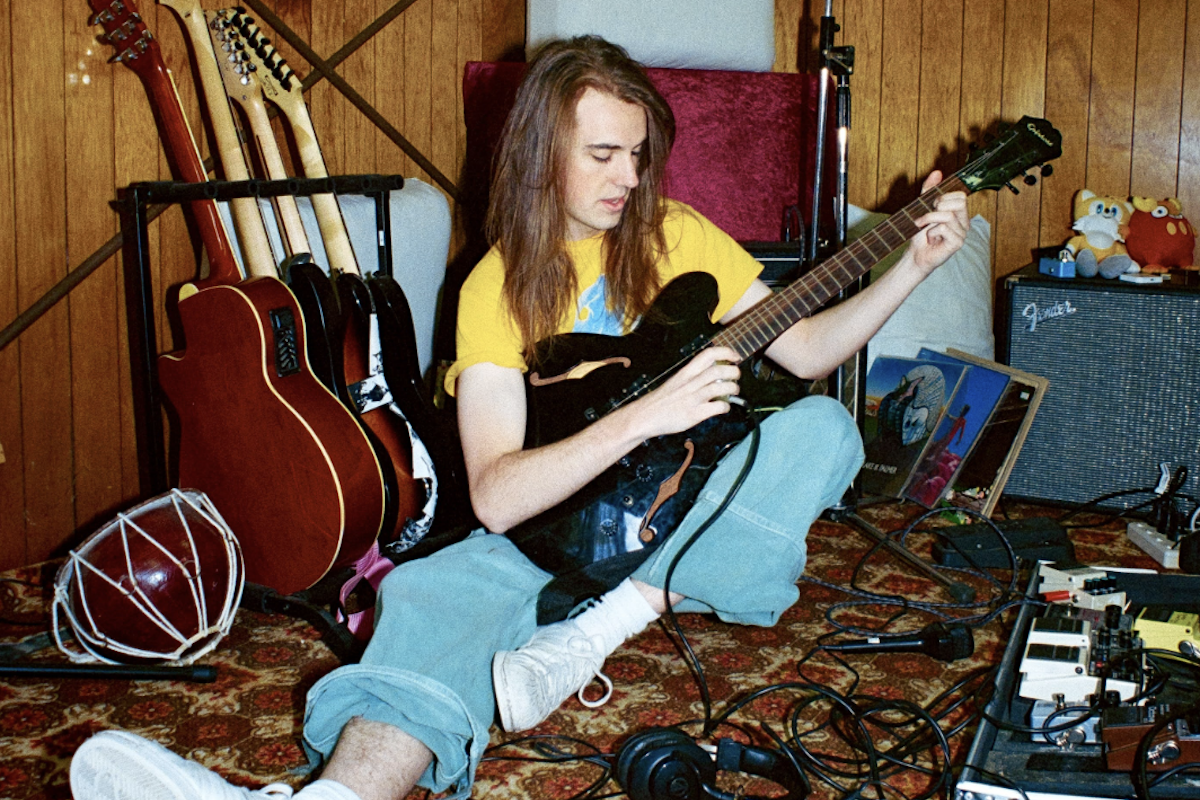
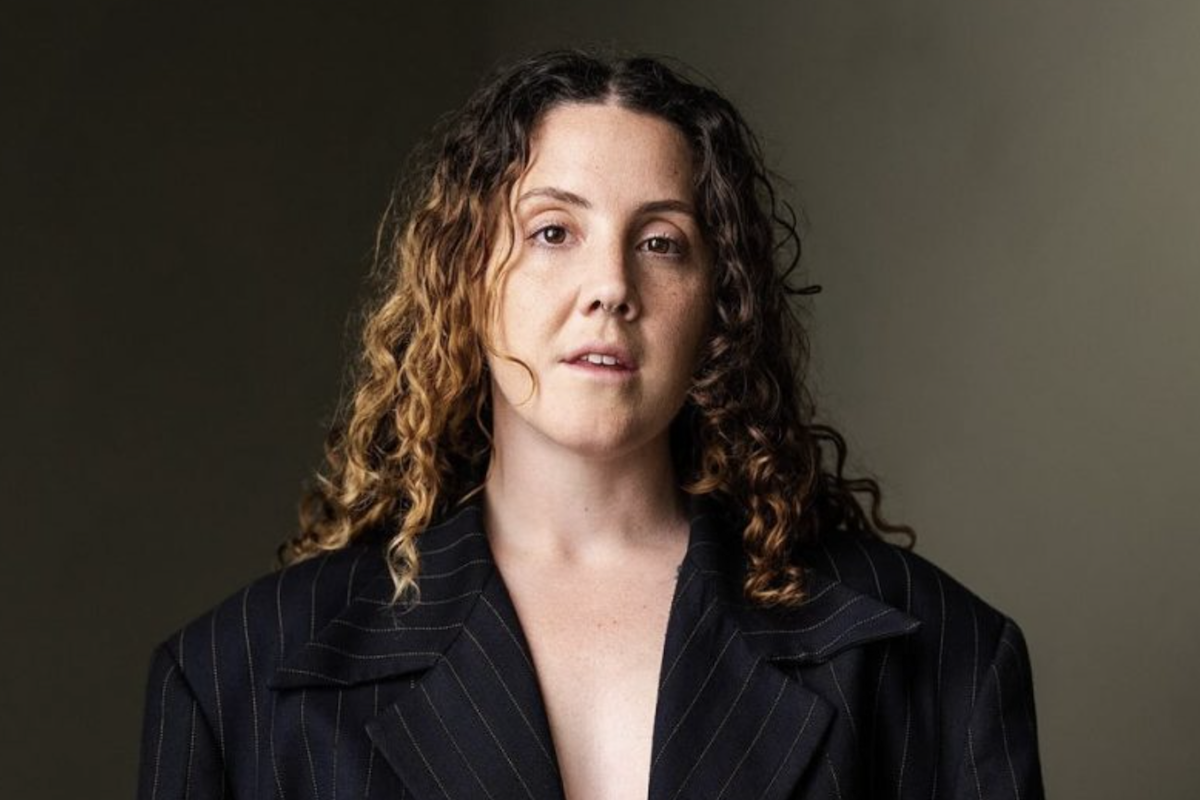
Emerging singer-songwriter Anna Jeavons has dropped her debut album Anomie. Ahead of the album launch at Nexus Arts, we chatted with Jeavons about the Anomie, working with producer Benjamin Stewart and what fans can expect from her live show.
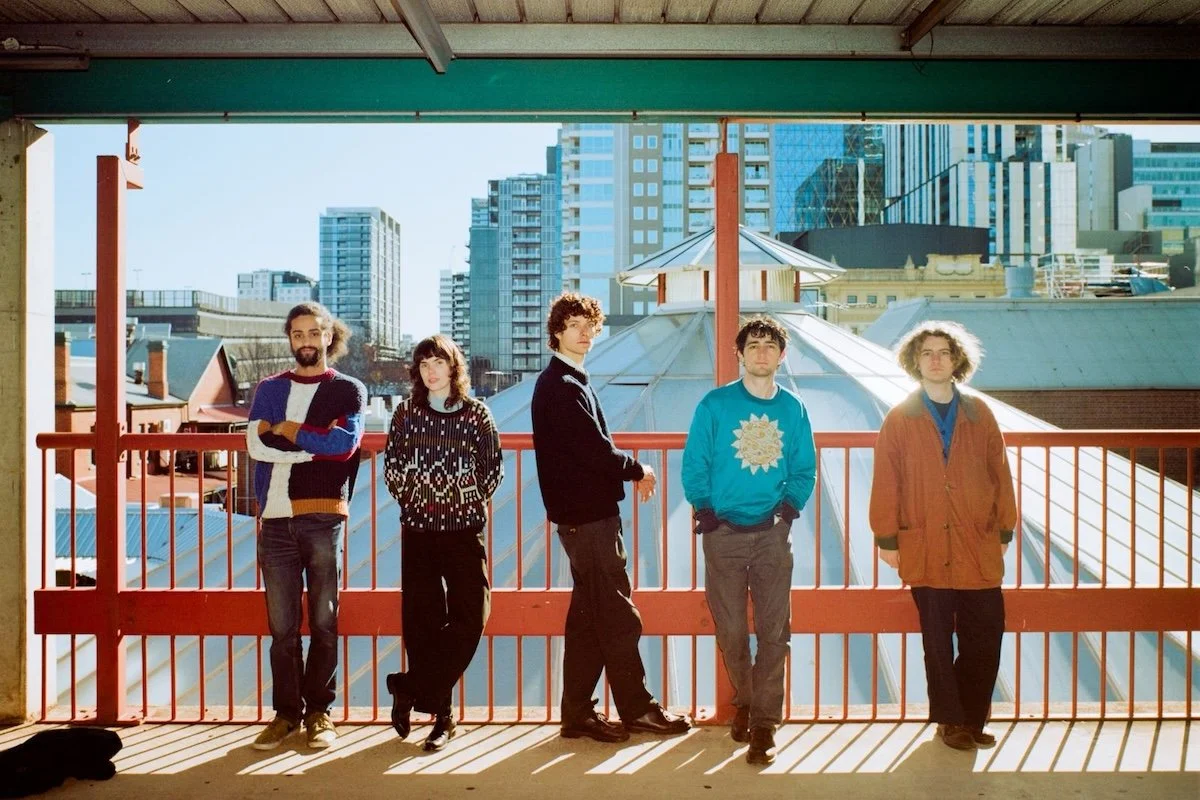
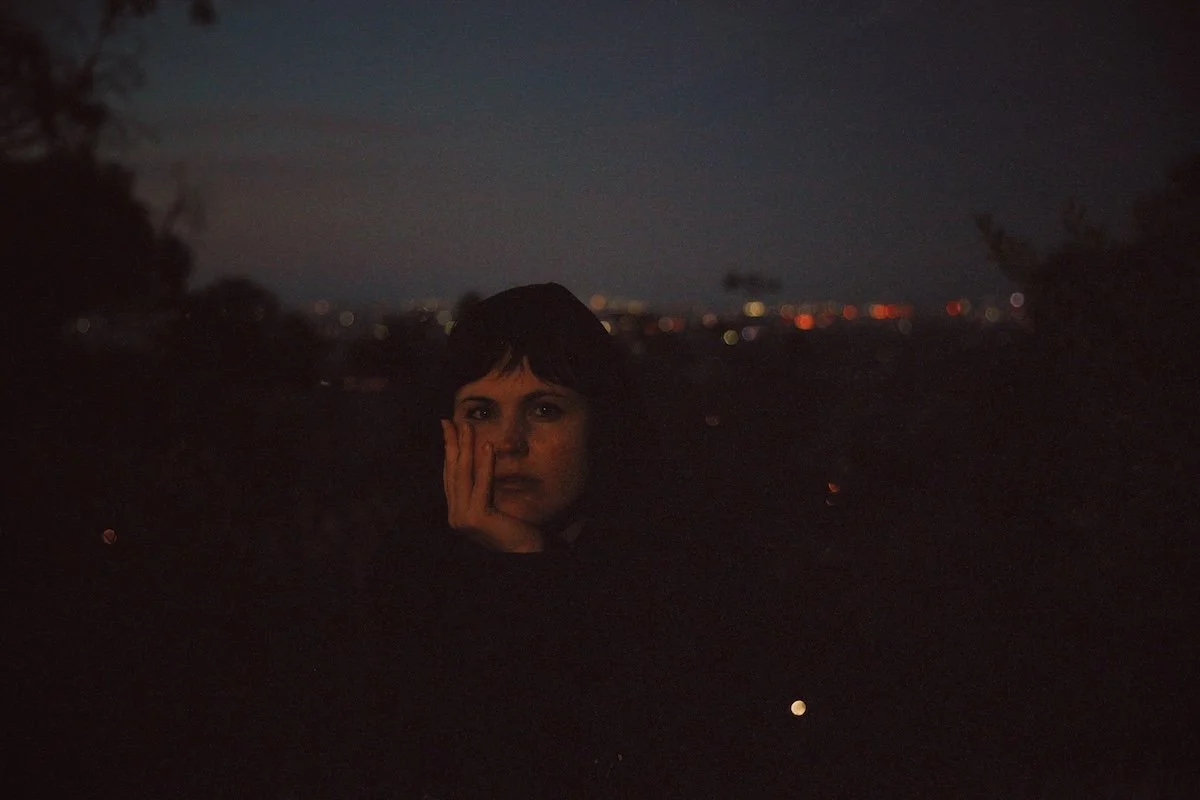
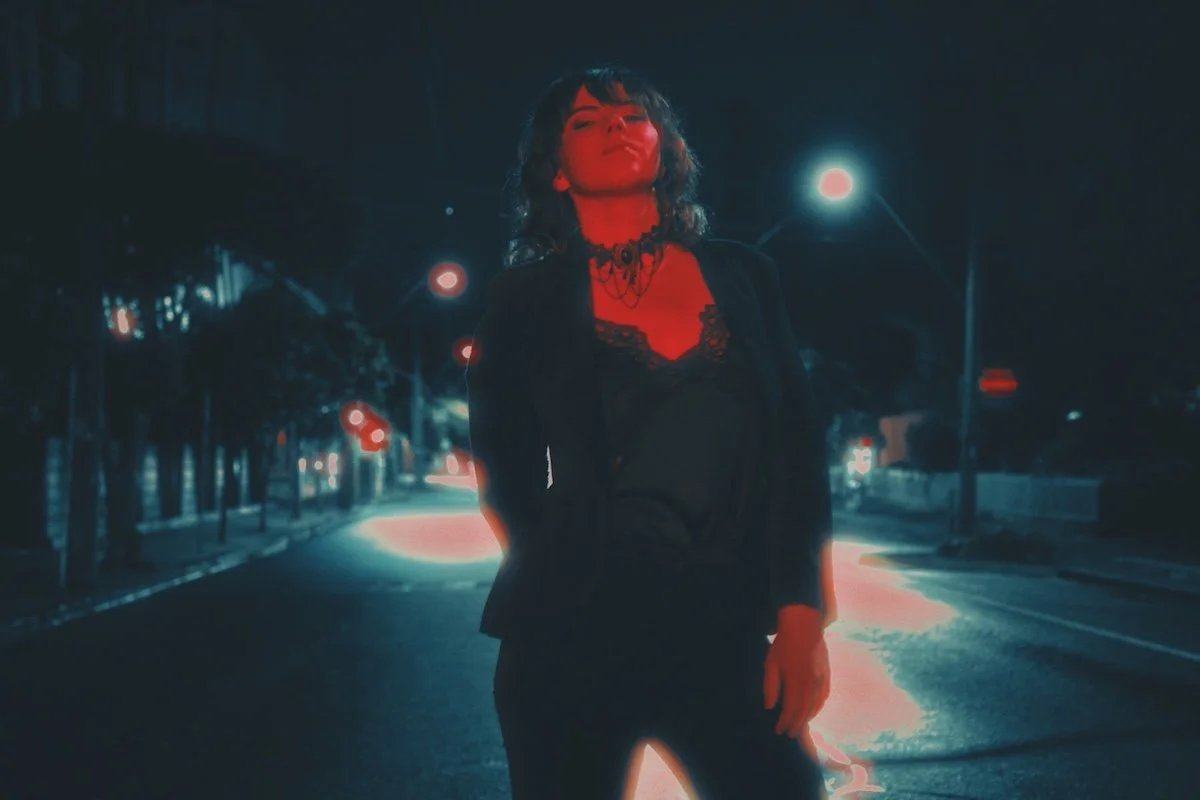
Image Mariah Anzil

Congratulations on the release of your debut album, Anomie. How would you best describe Anomie to someone in three words?
Reflective. Melancholic. Nostalgic.
Many of the songs on the album deal with the human condition, things such as isolation, depression, existential angst and the need to be loved. How much of your own life did you draw on during the writing process?
These songs draw very directly from personal experiences and emotions I was navigating during my turbulent twenties. Our twenties are a strange time. Major life transitions. Identity crises while trying to figure out who we are without school. Away from our parents. Disillusionment as we realise the world isn’t as fair, stable or promising as we once thought. An eventual tonne of pressure to have a house, children and a huge salaried dream job. We watch ourselves move from someone full of potential to, in some cases, someone not living up to their potential. It can be especially challenging when also navigating mental health issues. Not to mention the common woes of heartbreak, unrequited love, longing and loneliness. It’s all in there!
Your lyrics are quite raw and honest. Do you find it daunting to expose so much of yourself through music?
I’ve always been a very open person. It’s in my nature. I’d struggle to do anything else. I’ve spoken openly about living with bipolar disorder since I was diagnosed at 19, and there’s a lot of reflections on living with mental health issues on the album. What I love about music is the way it gives permission for sentimentality. We’re so often cynical and self-conscious and making jokes about our trials and tribulations, but the backing track of music can help us lean into emotion a little more. However petty or angsty. We can be a bit more earnest in a song.
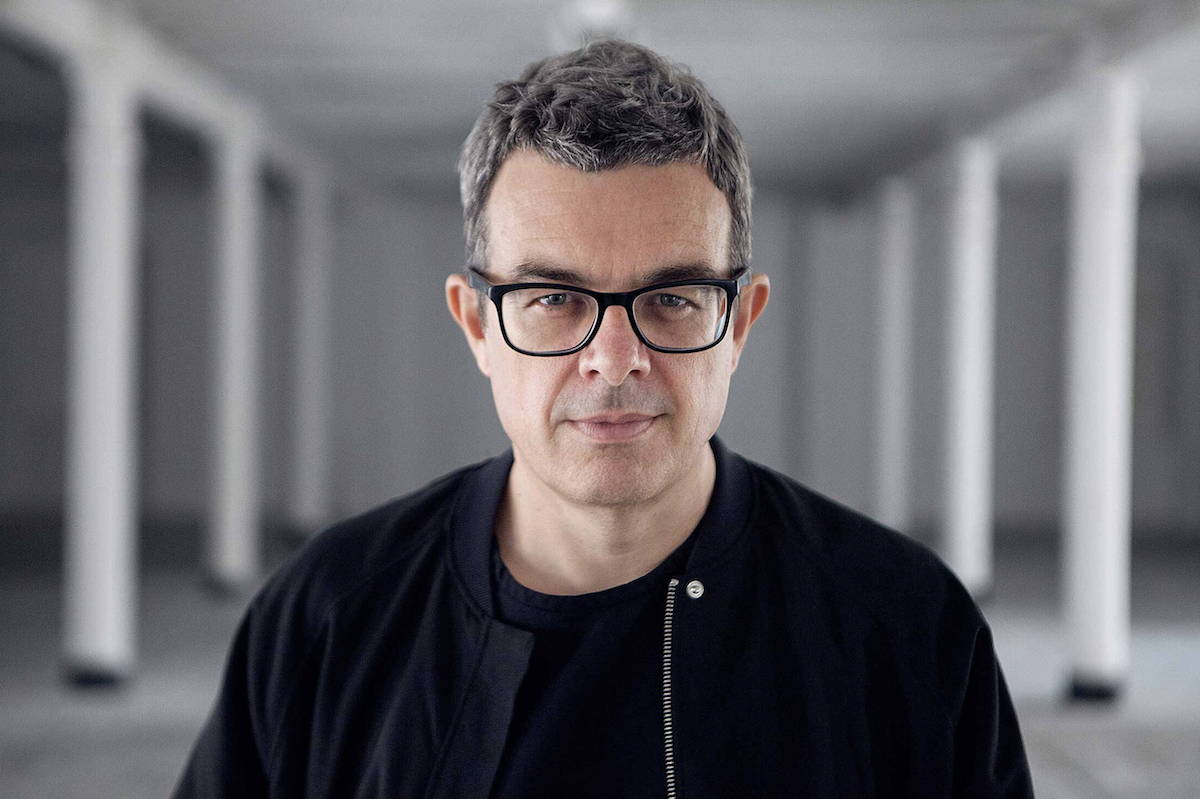
You worked with producer Benjamin Stewart on the record. How did that relationship form, and what did he bring to the table?
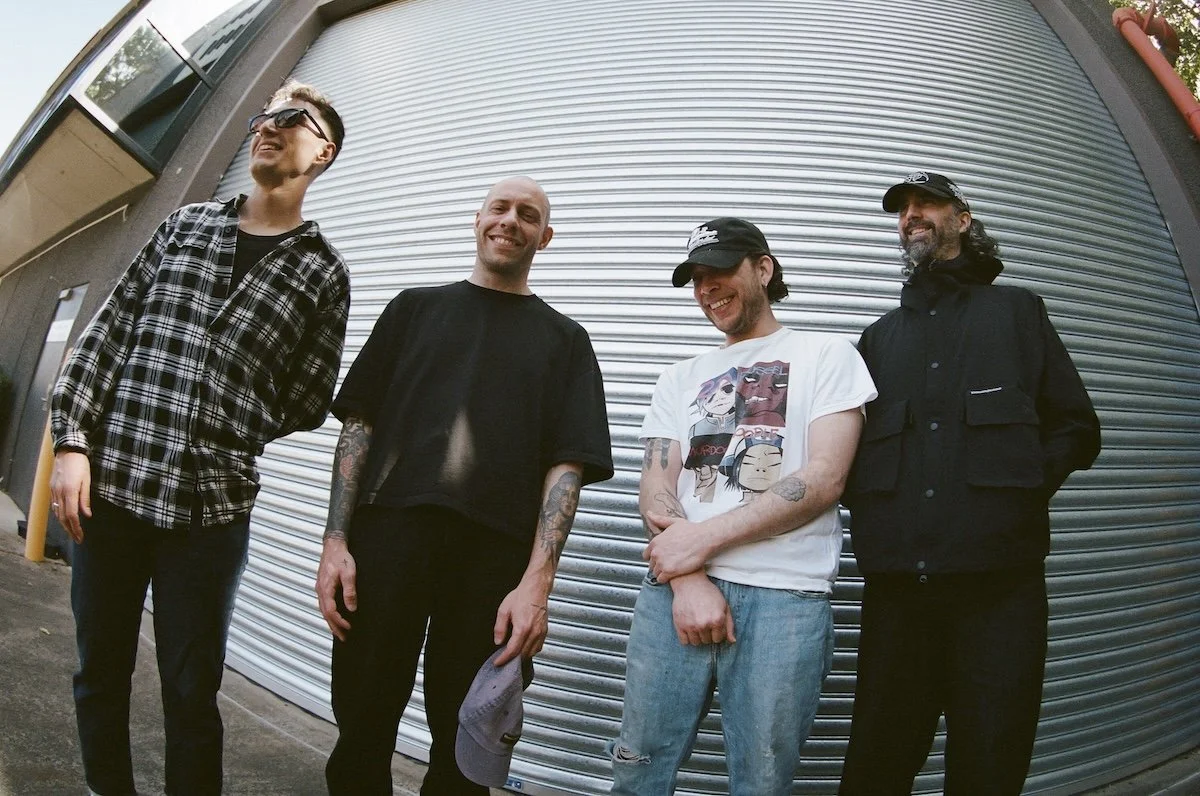
Recording with Ben was a huge education. I was so happy when he said he’d produce the album. Slowly Slowly’s songs have soundtracked so many of my existential crises. I remember seeing them play for the first time in Adelaide nearly ten years ago. It was a life-changing gig – I was an instant fan. He came back to play solo shortly after and a couple of us stayed up ‘til 3am chatting and eating spaghetti. We’ve stayed in touch since, often catching up before or after shows, even taking the whole band to La Sing once. I was trying to get the Anomie record off the ground for a while and thought I may as well see if he was interested. Can’t believe he said yes! He’s so talented, hardworking and clever. He’s made the songs so much more high-quality, dreamy, ethereal and emotionally resonant than I could have ever hoped.
I wanted to ask you about ‘Smart Casual’. It’s quite a heartbreaking song, but there’s a positive message towards the end when you repeat the mantra, “It’ll be alright.” Is this how you see the song?
I love sad songs. But I often try to include some form of growth or self-reflection, or to end on a positive note. Maybe it’s a storytelling habit – it would feel too open-ended not to at least attempt a reframe. Maybe I wanted to sound mature, like what I was saying was more meaningful than just raw emotions. In my twenties, I’d use songwriting to make sense of my experiences. So the songs are pretty uncomplicated; I’m never trying to get a certain message across; I was just exploring feelings. But I didn’t want to leave it there, unexamined. Even in the lowest experiences, there’s usually some hope to be found or a lesson to be learned.
When it comes to the visual side of things, from the album artwork to music videos, how important are these to you and what you are trying to convey with Anomie?
Building the visual universe for Anomie was one of my favourite parts of the project. I loved constructing its look and feel. It was very intentional; the imagery, aesthetics, messaging – the texture. I wanted it to be wintery and nostalgic. In touch with nature. Hand-drawn. Bookish. Sad but hopeful. Cool-toned but with glowing lights. I wanted it to reflect a particular era in my life. And the sometimes bleakness of nature – but its ability to bring comfort and growth at the same time. There’s recurring imagery. Long grass. Creeks. Crisp air. Jackets. Quotes stuck to walls. Trains. Roads. Rubbish bins. Wanting to be absorbed by others and by the earth (so as not to be so separate from everything, so as not to be alone).
What do you hope people take away from listening to Anomie?
At best, I hope this record can provide some emotional catharsis for those that relate, or at least help them feel less alone in their grievances. It’s hard and confusing to be a human, especially a young adult. I want people to know it's normal to feel lonely, disconnected, desperate. Anxious and afraid. We all get lost. We feel rootless and emotionally stuck sometimes. It’s a rocky road to finding our place in the world and how we can contribute. Especially without clear guidelines like religion. I hope it might be a bit reassuring. But I’d settle for enjoyable!
To celebrate the release of Anomie, you’re teaming up with Runt Records for a special launch party. How did this come about, and what can fans expect?
Bella and Lilith from Runt! Records were both participants at Girls Rock! Adelaide’s Rock Camps when they were younger. I co-founded and have been on the leadership team for Girls Rock! Adelaide since its inception. It’s been so cool watching them grow up, build their own initiative and widen their community through music. Feels a bit like a full circle moment.
We made space for them to connect and experiment as teens and now they’re lending me their expertise and connections. It’ll be a special night, very fun and DIY, and hopefully bring together community members of all ages. I’ve started a band just for this one night. They’re the best. I’m terrified but excited.
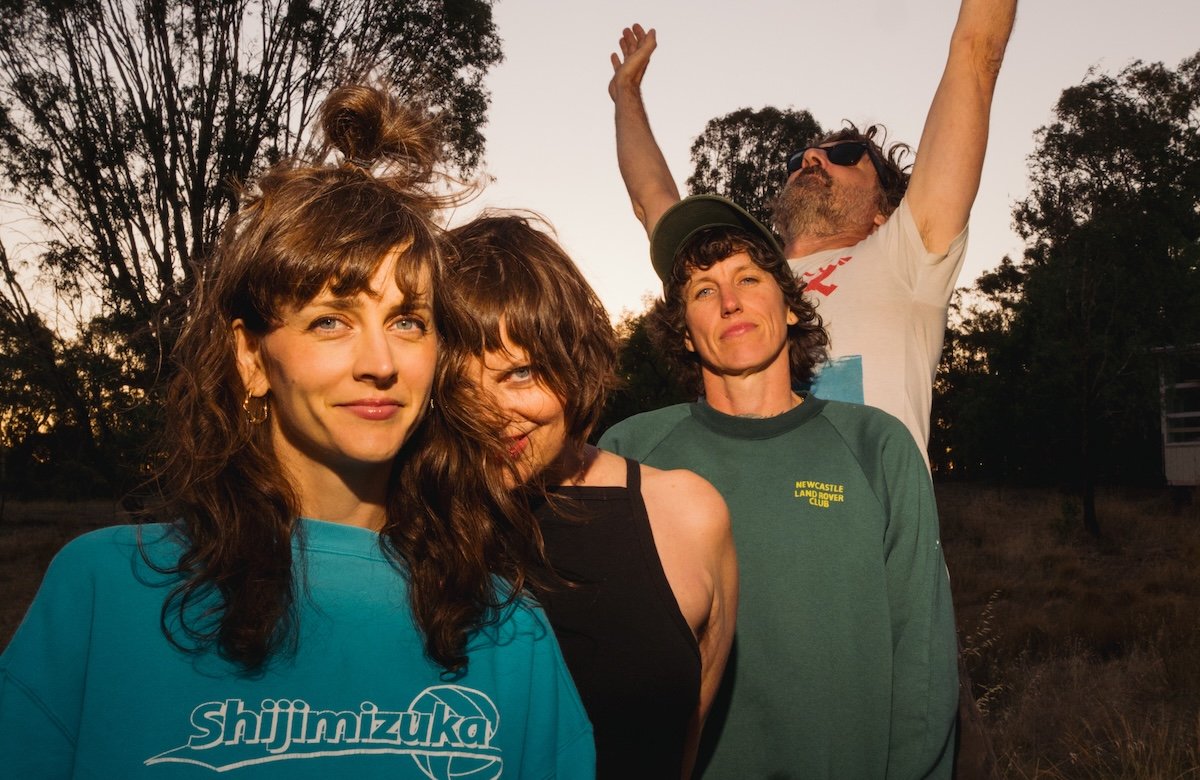
You have enlisted a couple of special guests: Sofia Menguita and Melbourne’s Eaglemont. Why did you choose those two artists in particular?
I thought it would be cool to bring a friend over from interstate to make the event a bit more exciting. Eaglemont is so talented, with the voice of an angel from heaven, but she hasn’t toured to Adelaide in ages. I’m happy I can make it happen, for the audience – and for me! Excited to see her play [with her] full band and hang out with my friend.
Sofia Menguita is one of Adelaide’s great treasures. An amazing songwriter and lyricist who is getting the recognition she deserves. I’m pumped she’s a part of this. I remember her attending the Girls Rock! Adelaide launch in 2019 as a tiny teen, so that’s another full circle moment.
What does the rest of 2026 hold for Anna Jeavons?
My hopes and dreams for 2026 are not grandiose. I just want to give away records to my friends and know that a few people have heard and enjoyed my music. This project has been a whirlwind, often overwhelming. I’m hoping after the launch event I can find some time to rest, some stability. Be present and be proud.
I wrote a book to accompany the album that still needs some finishing touches. I initially wanted it to be ready for the album launch but I don’t want to rush it so maybe this will be something to finish later in the year... It’s called Anomie and The Infinite Abyss: Tools and balms for navigating existence.
Anna Jeavons celebrates the release of Anomie on June 6 with Sofia Menguita and Eaglemont. Tickets on sale at eventbrite.com. Listen to the Anomie here.