Perfectly Imperfect: Why Lo-Tech Production is Defining Australia’s Indie Sound
Chris Lambert, Musician and Industry Learning Partner at SAE University College, unpacks why lo-tech is dominating the Australian music scene.
Words Chris Lambert // Image supplied
In a lot of recent Australian music, there comes a moment where things feel like they might fall apart: vocals clip and crackle, drums crunch instead of punch and textures shimmer and blur at the edges. Not by mistake, but by choice.
Lo-fi aesthetics in the formative punk years emerged as a byproduct of immediacy, careless abandon and the technological limitations of cheap DIY, rather than a conscious decision. This DIY approach meant records were produced quickly and cheaply, and the feel and intent of the songs trumped sonic values.
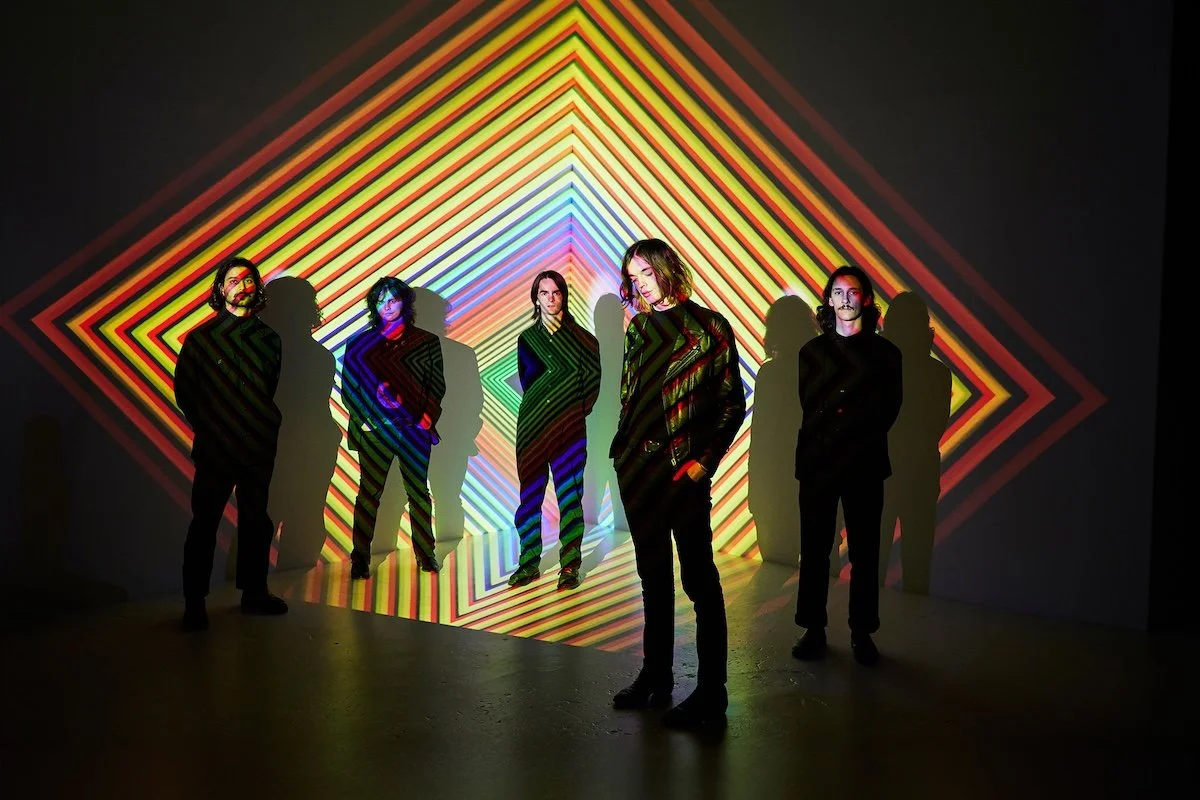
Across the country, artists are leaning into what are often called “lo-fi” sounds, but perhaps that term doesn’t really fit when it comes from deliberate intent and not technological limitations. Genesis Owusu builds dense, distorted worlds where saturation becomes part of the storytelling, while bands like Lazy Eyes reference the vintage by squeezing their sound through that warm aperture of analog tape and sixties vacuum tubes.
What makes these sounds compelling isn’t just their texture, it’s their control.
The distortion sits in specific places. The mess has shape. Vocals might feel buried, but they’re rarely unintelligible. What sounds raw is cooked to perfection. The sound of technological limitations has become so ingrained in music and sound production that it is now a part of education. We teach students how to achieve a pristine sound, as has been the case since audio engineering first emerged as a craft, but we also teach them how to intentionally destroy that sound.
Classroom questions include, “How do I make it sound like an old telephone?” and “What is the sound of tape saturation?” Young musicians recognise, maybe instinctively, that character often beats clinical. Yet there is an art to it. Picasso said, "Learn the rules like a pro, so you can break them like an artist”, and so we teach how to achieve sonic clarity first, not only because it is what is needed to operate in different genres and music domains, but because a lot of lo-fi sounds only work in modern music if they are cleverly positioned and layered.
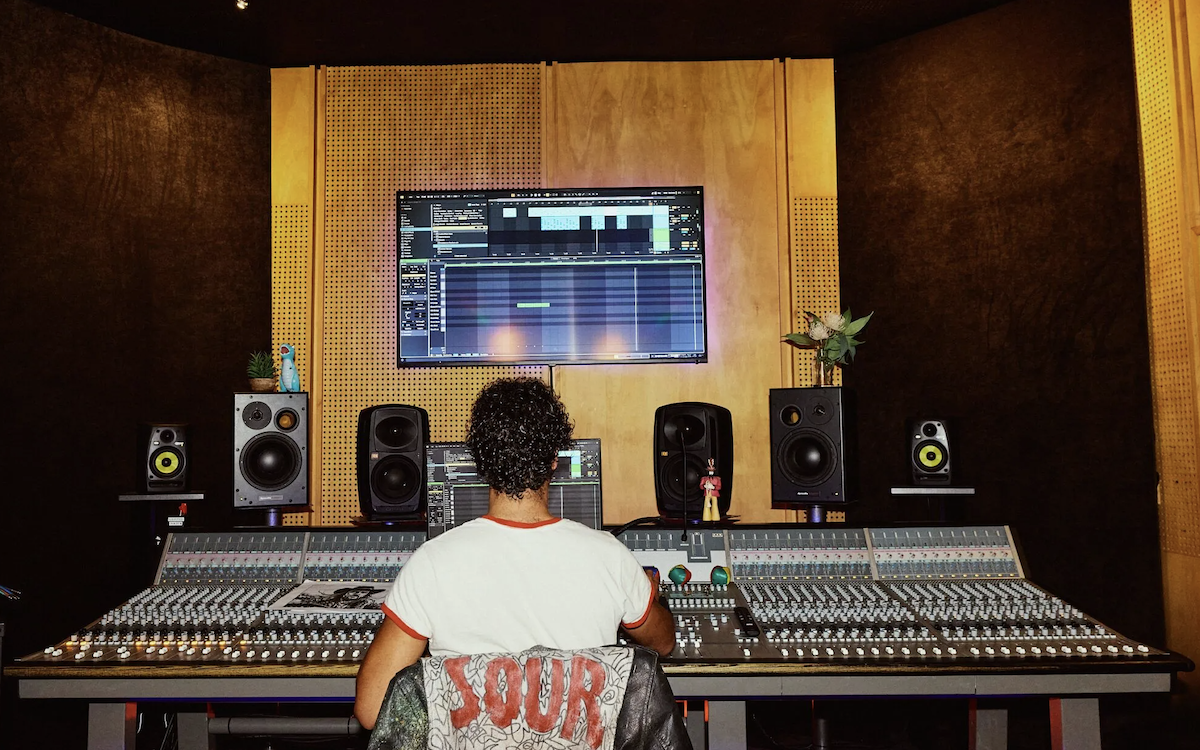
The lo-fi sound also mirrors the way music is often made now. For many emerging artists, it isn’t in a million-dollar studio and live room; it’s a laptop, a soundcard, and a recording room with thin walls and mattresses across doors. But rather than treating those constraints as something to overcome, artists are building aesthetics from them. Interference becomes atmosphere. Clipping becomes character. Imperfection becomes identity.
Younger audiences are savvy, cross-genre listeners and are less interested in polish for its own sake. Clean, pristine production has a distance. Lo-tech references the excitement of an age when seminal genres were being born and feels immediate and human, helping to kill the gap that exists between artist and listener.
Artists like Mallrat embrace this, pairing fragile vocal recordings with production that feels intentionally understated. Spacey Jane narrows bandwidth, jangling through earbuds like a Sony Walkman. Amyl and the Sniffers show that roughness hits harder than polish.
Whether it happens live or on record, performance or production, it isn’t a rejection of technical skill; it’s just a different kind of expertise. Making something sound intentionally imperfect requires a strong sense of balance: knowing how far you can push a signal before it collapses, how to layer sounds so they blur without disappearing and what frequencies to subtract from a mix without kicking out its legs.
You don’t need access to expensive gear to make something that resonates. But you do need to understand your tools well enough to shape a sound with deliberation. The difference between something that sounds raw and something that sounds unfocused often comes down to those small, almost invisible decisions.
That’s also part of what makes this moment in Australian music so compelling. The lines between ‘professional’ and ‘DIY’ are dissolving, replaced by something more fluid; where the most interesting sounds often come from pushing against the edges of what’s considered clean, correct, or finished.
Imperfection doesn’t have to mean the absence of craft, just another expression of it.
Find out more about what SAE Adelaide offers here.