16 October 2026Q&A
Why the absence of rap in Billboard’s Top 40 says more about the music business than the music itself.
When the latest Billboard Top 40 dropped without a single rap release for the first time since 1990, headlines screamed that hip-hop was dead. It’s a bold, attention-grabbing claim – and it’s not true. What’s really going on has more to do with how music is marketed and how the chart system works than with the creative health of the genre itself.
Hip-hop still dominates streaming platforms. On Spotify, hip hop and R&B account for nearly a quarter of all streams. But streaming alone doesn’t move the charts anymore. The way labels now bundle physical media with limited-edition picture discs, coloured vinyl, and “added value” merch sets aimed at superfans gives pop artists an edge that hip hop finds hard to match.
Taylor Swift’s latest album dropped with half a dozen vinyl colour variants, all released alongside the digital version. In Billboard’s equation, one album sale counts as ten downloads or 1,500 streams, so when you combine those vinyl purchases with streaming traffic, chart domination becomes inevitable.
The demographics of physical buyers have shifted, too. In 2025, the biggest consumers of vinyl and CDs are under 25, a market already loyal to artists like Swift, Sabrina Carpenter, and K-pop groups such as Stray Kids and ENHYPEN. Hip-hop listeners, in contrast, tend to be broader and more exploratory. According to the 2023 DiMA report Streaming Hip-Hop Music Forward, fans of the genre are “wide listeners” who follow many artists rather than obsessing over one. They also prefer streaming to ownership, and their tastes splinter further between commercial rap, underground hip-hop, and subgenres like Trap and Drill.
Meanwhile, pop and K-pop acts make the most out of the system by flooding the charts with multiple singles from the same project. On the November 15 chart, Swift alone held six of the Top 40 slots, while K-pop filled seven more. Morgan Wallen appeared twice. That leaves only twenty-five spaces for every other genre combined.
But that still doesn’t explain why rap isn’t showing up in those remaining positions. The real issue lies in how we’re defining “hip-hop” versus “rap” and what audiences now expect from each.
As KRS-One famously said, “Rap is something you do. Hip-hop is something you live”. Hip-hop is a culture; rap is its musical expression. Much of what’s charted under the “rap” label in recent times has been commercial product dressed in hip-hop clothing. Songs about status, luxury and materialism built on formulaic beats and flows. After years of repetition, even casual listeners are noticing the lack of depth.
True hip-hop heads have never cared about the charts. The underground has always thrived outside the spotlight, even as generational divides have widened between sample-based “old school” purists and the trap-influenced “new school”. But the rise of trap, rap’s most dominant subgenre of late, has also contributed to the current lull.
Trap traces back to the Roland TR-808 and the work of Southern pioneers like New Orleans’ Mannie Fresh. Its sound is instantly recognisable: sub-heavy 808 basslines, skittering hi-hats in triplets and bursts, lo-fi keys inspired by the Texas Chopped and Screwed scene and Auto-Tuned vocals. Those sounds have seeped into every corner of pop culture from TV ads to movie trailers, making trap the new sonic wallpaper.
When trap first emerged, it was electrifying: a gritty portrait of street life and survival. But the style’s limited palette has become its weakness. Once digital music-making reduced its textures to pre-made “sample packs”, it turned into paint-by-numbers production. The visceral thrill of those 808 basslines remains undeniable; they move bodies in every genre from Miami Bass to Phonk, but the formula now feels tired. The same song, the same themes, the same posturing, on repeat.
The subgenre that once felt dangerous and urgent has been repackaged as a commodity, while its lyrical content, at times more performative than authentic, has lost its edge. For mainstream listeners raised on constant novelty, trap’s narrow sonic range just doesn’t compete with the melodic variety and visual branding of pop or K-pop.
Charting artists tend to be those who cross over into pop (Drake, Post Malone) or trade on celebrity (Kanye West). Whether they still represent “hip-hop” is up for debate. The few who manage to balance authenticity with innovation, such as Kendrick Lamar and J. Cole, care more about craft and long-form storytelling than about scoring hit singles. Their success lies in albums, not algorithms.
Meanwhile, the commercial “rap” world continues to produce massive streaming numbers through figures like Wiz Khalifa, Ty Dolla $ign, and Nicki Minaj. They’re genuine industry successes, even if their audience skews more toward mainstream rap than underground hip-hop. Yet without the leverage of physical media sales, their dominance doesn’t translate into chart visibility.
So no, hip-hop isn’t dead. No matter what some chart says. It has always existed outside the narrow metrics that measure industry success. The Billboard Top 40 doesn’t even reflect what most people are listening to, let alone what defines cultural influence. Not only is hip-hop very much alive, but it’s also now the pulse of streaming culture, the soundtrack of social media and the DNA inside today’s pop production.
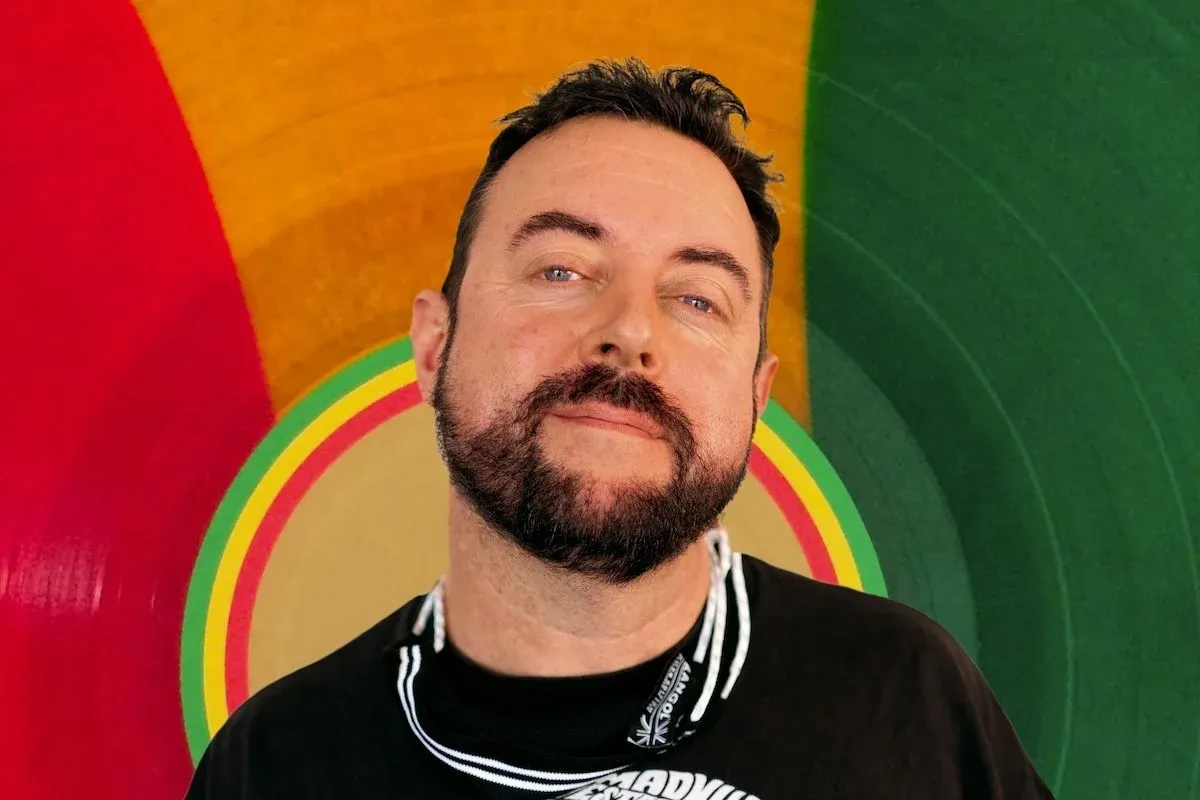
Chris Lambert, aka Chris Bass, is a musician/producer/writer from Adelaide and SAE Adelaide’s Industry Learning Partner. Find out more about SAE University College here.
Get the best of The Note in your inbox.