The Enduring Legacy of Arrested Development
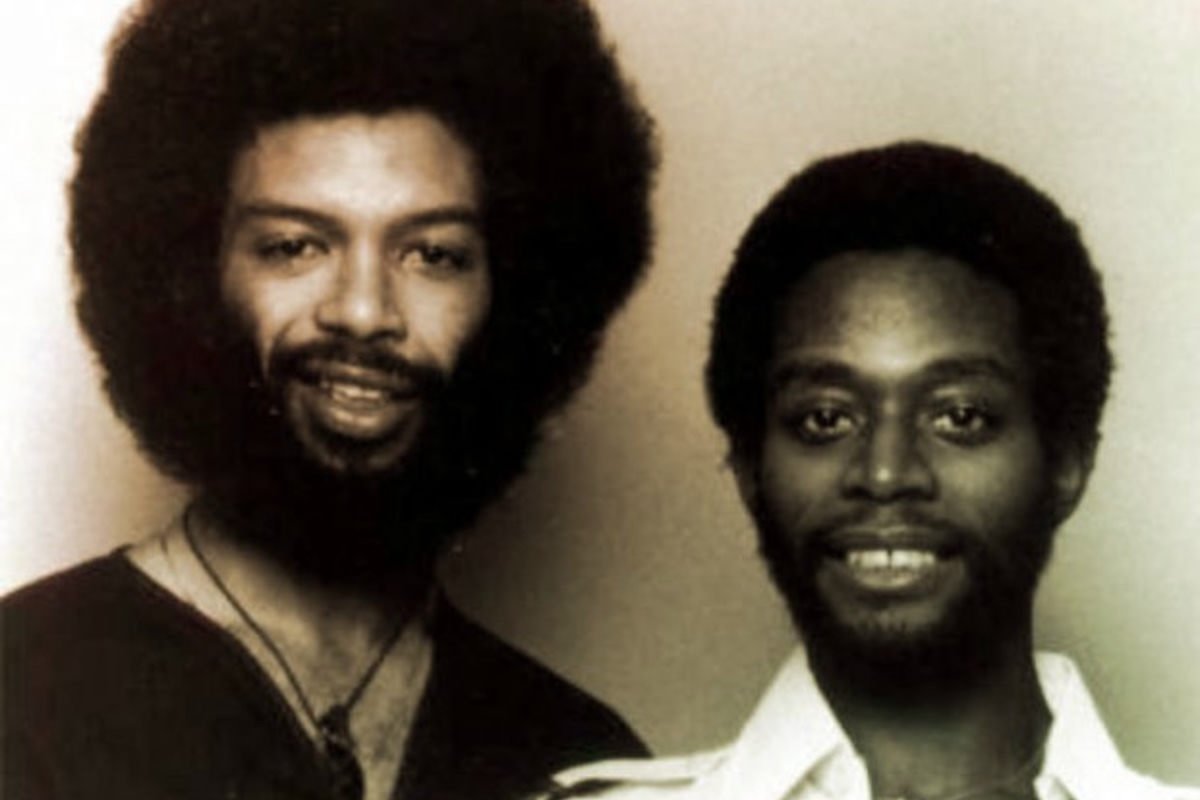
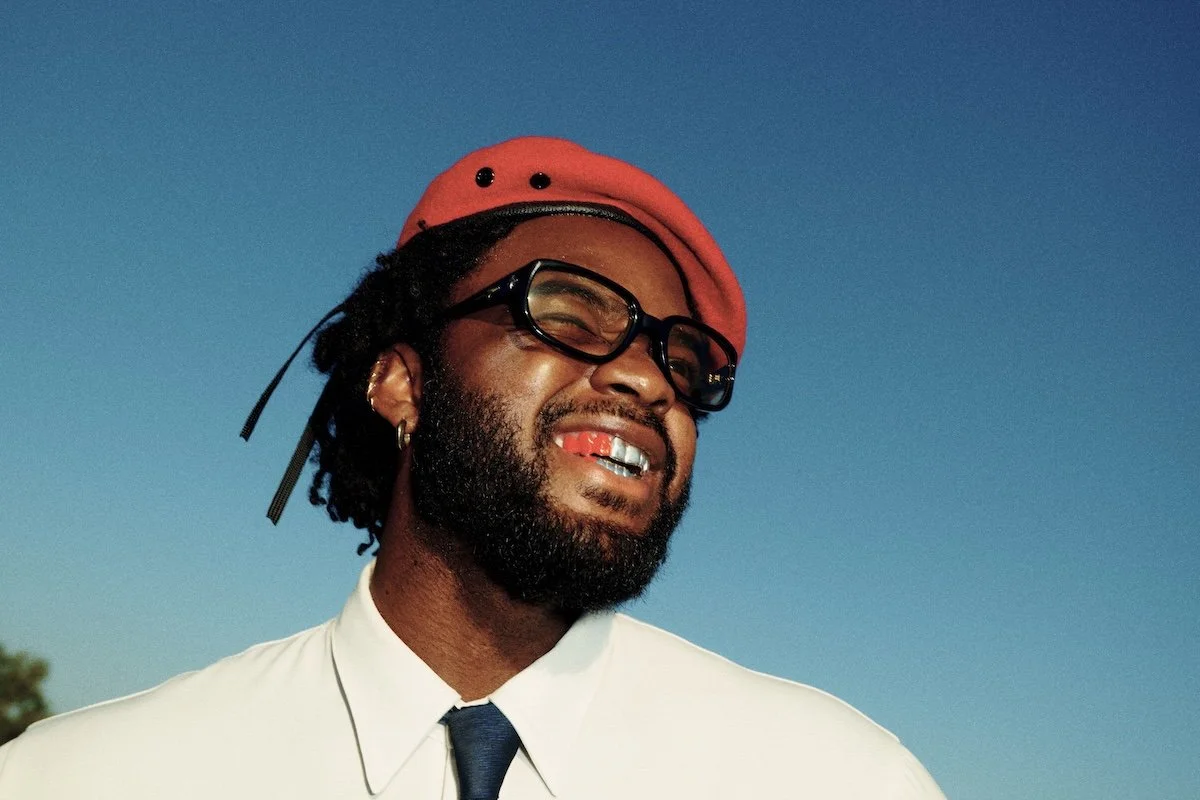
The first hip-hop group to win a Grammy, Arrested Development made history from the get-go. Now more than three decades later, the group are performing exclusively at WOMADelaide, celebrating their legacy with fans. The Note spoke with founding member Speech about the band’s early success, their continued activism and what got the group back together after a four-year hiatus.
Words Emily Wilson // Image supplied
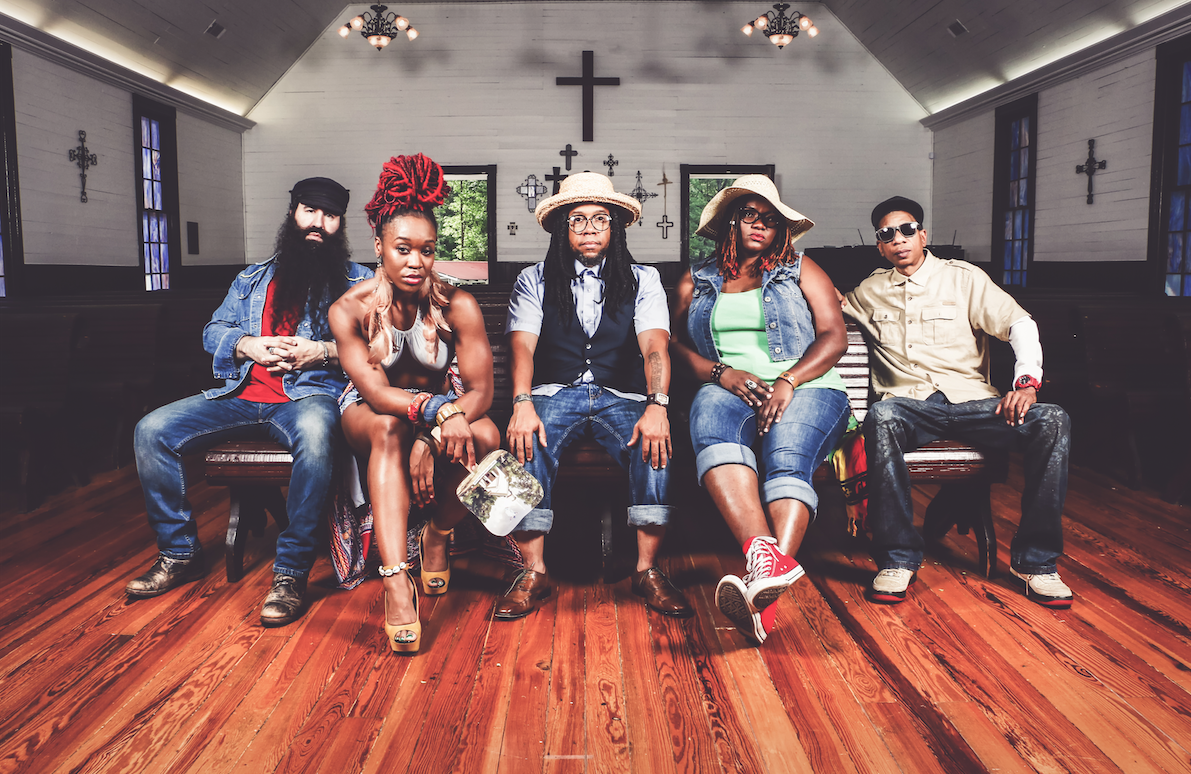

There is only one act in the world that can say they were the first hip-hop group to win the Grammy Award for Best New Artist - and that act is Arrested Development.
The hip-hop collective, first formed in Atlanta in 1988 by rapper and producer Speech and turntablist Headliner, have navigated a storied - and admittedly turbulent - career. Their 1992 debut album 3 Years, 5 Months and 2 Days in the Life Of not only led to this historic Grammy win, but it also sold over 6 million copies globally. They were lauded for their melodic, socially conscious style of rap. They composed a song for the soundtrack of acclaimed director Spike Lee’s masterful biopic Malcolm X and were named 1992’s Band of the Year by Rolling Stone.
“It was surreal,” Speech reminisces over Zoom. “The good sides of it are [that] you have success, and you have admiration. The hard part is that you’re learning so much at the same time. We were learning how to be a group that was touring the world for the first time. We were learning how to have money.” He mentions that everyone in the group was broke before they shot to stardom. “We were learning how to navigate the industry and figure out how to keep that success, all at a time in hip-hop where the whole business model of how to be a hip-hop artist wasn’t fully written yet.”
Rest was a foreign concept to the group at the time. “We were recording music, we were doing a lot of activism in homeless shelters in some of the most dangerous projects in the ghettos. We were speaking, singing, dancing, rhyming, spinning.” His eyes cloud. “It was almost like a dream.”
It was decidedly not all smooth sailing. Their 1994 sophomore album, Zingalamaduni, was a commercial flop, ultimately leading to the group’s disbandment in 1996.
It was in 2000 that Arrested Development decided to reunite.
“I think the whole group felt that there was something missing, that we didn’t get to finish our mission, in a sense. We had much more to say.”
He cites band member Montsho Eshe as being the catalyst for the reunion. “She said, ‘Hey, I really think we really need to get back together’, and I couldn’t have agreed more.”
At the time, Speech was enjoying a solo career that was doing particularly well in Japan.
“I think that a lot of our main fundamental beliefs happened to resonate with a lot of ancient cultures,” he says of Japan’s favourable response to his output. “Family, community, spirituality, positivity. I also think being more melodic than the average rap group had a lot to do with it.”
It was a natural next step to sign a licensing deal for Arrested Development with a major label in Japan. “That sort of gave us a new business model.”
Arrested Development is renowned for being outspoken - political engagement is a throughline of their work. They have donated proceeds to UNICEF, have teamed up with The Black Eyed Peas to perform at The Concert for Peace in Jerusalem, and in 2008, they visited and sang with Debbie Peagler, an incarcerated survivor of domestic violence, and the inmate gospel choir that Peagler led at a California women's prison.
Speech shows no signs of ceasing centring politics and human rights issues in his music.
“I personally think that we’re in one of the most pivotal and dangerous times in recent history,” he says solemnly. “So I think it’s important to hopefully curtail some of the insanity that is being inflicted on the world. We need to stand up as artists but also just as anybody - I don’t care if you’re a worker at a local store or a barista or whatever, I think everyone needs to stand up. Because if you don't, we all are at risk of losing certain levels of peace and order that we’ve all become accustomed to.”
At a time of global crisis where political and social issues abound, it can be difficult for Speech to decide what issues exactly to focus his energy on.
“It is a struggle for me,” he admits. “There are so many things that I would love to speak on. So what I tend to do is determine what the world is ready for, because that’s what I find myself fighting against: it’s not that I can’t write about it, it’s, are people ready for it?”
He is often told by friends and fans that he is ahead of his time. “That’s been a double-edged sword. For me, I’ve been trying to figure out how to fit in more without compromising the unique things I want to say to the world. It’s a fine line to walk.”
It is not an easy time to be an artist, he admits, but he hopes that people will continue to make art that is true to them and their experiences in spite of it all.
“I think the biggest and most important thing that you bring to the table is your life experience. Share that with us,” he says. “The more that you guys can share with us your humanity and what you’re experiencing, the more we can learn from that and see how we can help you. To me, that’s the beauty of this big human experiment that we’re all living right now. We can help each other if we know each other. The more we know each other, the more we’ll want to have community with each other.”
Catch Arrested Development performing at WOMADelaide on March 9. Tickets on sale now via womadelaide.com.au.