
22 September 2026Q&A
South Australia’s new powerhouse non-profit, designed to transform the South Aus music scene into a community-driven, knowledge-sharing, accessible and sustainable hub for music.
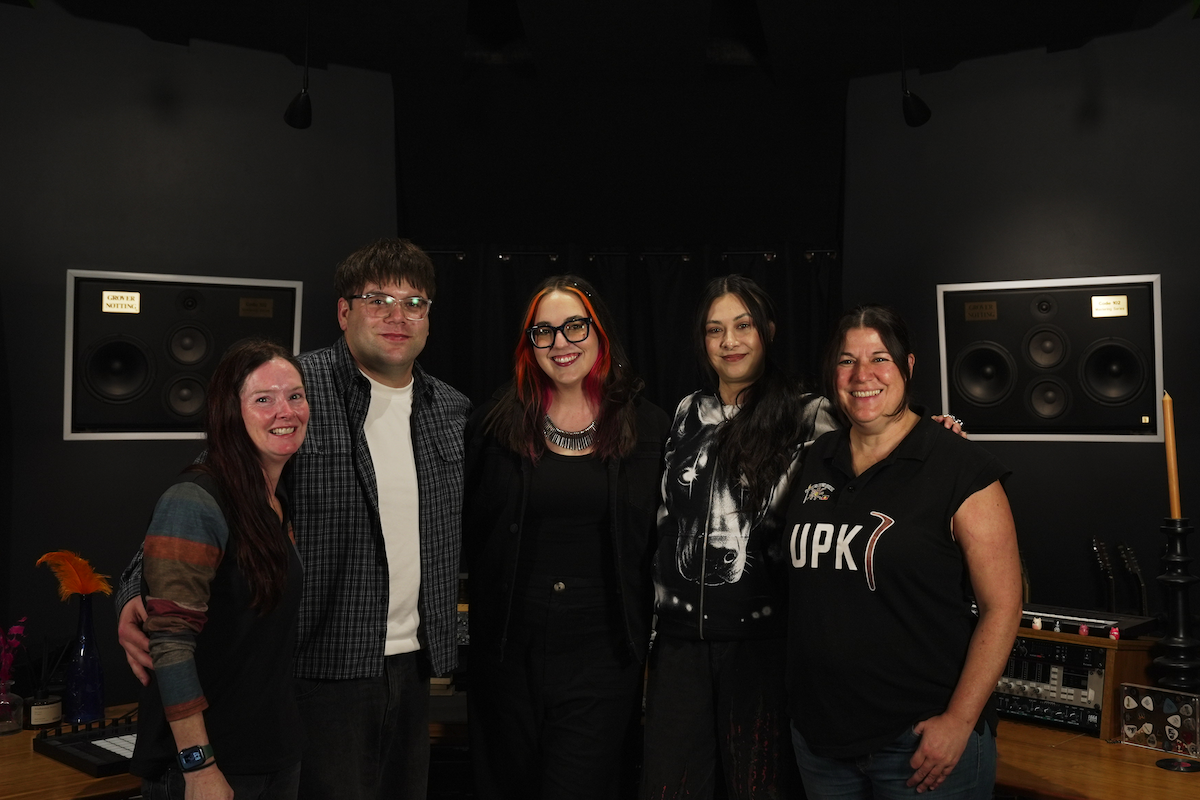
“Please Don’t Move To Melbourne,” Sam Cromack of Brisbane darlings Ball Park Music sings in their 2025 hit single. This sentiment is a familiar one for many working in the creative industries, where a common myth lies – that you simply can’t have a thriving career unless you’re based in Melbourne, LA or Nashville. But RISER disagrees. The team, made up of five local legends, work in many facets of the industry, each building impressive, long-lasting careers in music. And instead of gatekeeping their wealth of knowledge, they’re sharing it, and at no current cost to the public.
The Note grabbed Chelsea and Tam from the RISER team to unpack exactly what RISER is and how the public can access their resources.
You’ve just launched RISER Collective! What exactly is it?
Chelsea: RISER is a not-for-profit music industry development service. It’s practitioner-led, which means that we all work in the industry, and it's for South Australians because we're based in SA and we care about SA. RISER exists to try and create opportunities and bridge the gaps for people living and working in the South Australian music industry/community.
Who is on the RISER team?
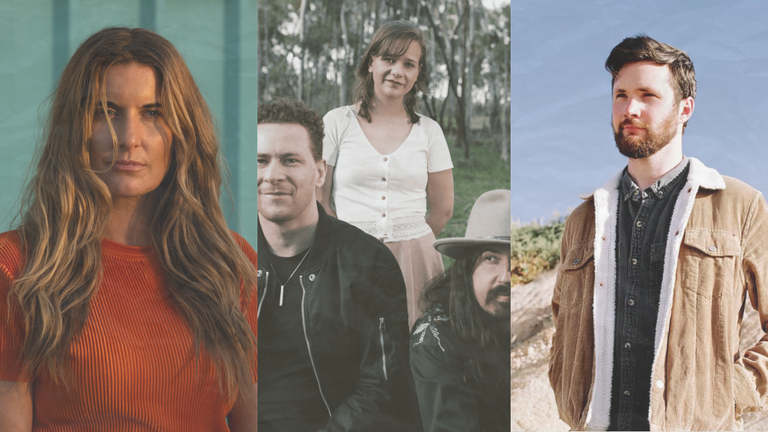
Chelsea: The team is myself; I'm an artist manager, then Tam, who's a venue owner, operator, booker, cleaner, bartender, plus everything else, and also the CEO of Australian Music Venues Foundation. Then Seb and Rachel, who run 27 Music.
Tam: They’re artist managers and tour a lot internationally as well. Seb also works for Five Four [Entertainment] doing venue bookings. And Leena from Songbird Studios, who's an absolute weapon in artist development and recording. That's the key team that have set this up. We've also got an advisory committee, which we are still building upon. So far, we're trying to be really broad in our remit across regional, First Nations and accessibility.
Chelsea: We've written First Nations and regional priorities into our constitution. We want to make sure that this organisation isn't just for people living in the Adelaide metro. We've been really intentional by trying to pull people from regional areas onto the advisory committee and similarly with First Nations.
Tam: It’s really important to have that really broad remit to make sure we're actually meeting everyone's needs. We don't pretend to know everything; we've only got our skill set, so we want to bring in everyone to make sure everyone's getting what they need from it.
How did the idea to form RISER come about?
Chelsea: Seb and we were previously in positions where we were doing industry development sessions and we just never stopped. We stopped working for that organisation, but we would still get people being like, “can you just help us with this?” or “can you help me with that?”, and we kept doing them. Then we started talking about the fact that we were still doing them.
Rachel also kind of had left Five Four and put on socials like, “does anyone want development sessions?” And then she found that she couldn't charge for them because she just was like so passionate about it.
At the same time, Tam and I had been talking for a long time about what South Australia could be if we put the energy and resources into some of the project ideas that we've had to help benefit the state. And Leena comes from an industry development background and had been doing that in her own community as well. So we were all doing it independently, and then the idea to do it together probably just started over drinks somewhere.
Tam: That’s how everything forms in the music industry, right?
RISER speaks to SA being a place that artists and industry don't need to leave to have a sustainable career. Could you talk us through why this is a core belief of RISER?
Chelsea: Myself, Rachel and Leena have all spent significant time overseas and interstate and Tam and Seb both have had very long-standing careers being based here. I guess we all understand how the music industry works in that you don't need to be based anywhere specific. You can be based in London, in Nairobi, in Adelaide, literally anywhere now. The industry is global. That doesn't mean that you don't have to travel and network, which all of us do regularly. But the idea that you need to be physically based in another city or another state is not how the music industry works anymore.
The thing that we do have in South Australia is an underdeveloped industry. We don't have publishing companies here, we don't have major labels, we don't have major DSPs here. But we do have a network of people who are based here who can access all of those things and can bring them in and connect the dots for the South Australian industry to those opportunities, be it a booking agent in Berlin, a festival promoter in Estonia or a writer in LA. We've all got those connections.
It's just a matter of how can we feed those networks into the existing industry, provide those opportunities and level the maturity of the industry up so that there's more and more people having those opportunities that can then share it back to the industry here and foster that idea of collaboration, networking, sharing information to create a really strong scene.
Tam: Also just access to knowledge, like particularly for the up-and-coming musicians who have no idea that people exist that can give them that information, that will willingly give it as we do.
Are you optimistic about the future of South Australia as a music scene?
Tam: I think we've got one of the best scenes for local music and the live music scene is really, really healthy here. It's such a community, and that's what we're trying to build upon.
Chelsea: 100%. There's so much talent here, it's ridiculous. I've lived in London and Berlin over the last eight years. And in Berlin, there's no Berlin scene, there's no community. You're not connected. Everyone kind of does their own thing and works in silos.
London's the complete opposite, it's so collaborative. I'm literally in a WhatsApp group with every other UK-based artist manager. There's constantly like, “does anyone have the contact for this person on Instagram? Does anyone have the contact for this person at this label? I need to book a show at this festival. Can someone share the booking details?” And it's all there. It's total collaboration, totally open. That scene is so reflective of that because you see in pockets of like South London, West London, North London, how that resonates out. We’ve seen it happen in Dublin recently as well, how that's exploded out. And that's creating these artists like Olivia Dean that are going on to becoming mega important internationally.
It's through those ideas of like, “let's all work together. Let's not fight over the same piece of the pie in the music industry. Let's make the bigger, like make a bigger pie by working together.”
What types of people would you encourage to talk to RISER or rock up to your development sessions?
Chelsea: Anyone who’s considering a career in music. Could be a photographer, a journalist, podcaster, festival booker, venue owner, little developing promoter, someone who wants to start a fanzine, an artist, someone who wants to make film clips. Because the more of those people connect up, the more of a dynamic industry we develop and people will start sharing opportunities between ourselves.
Tam: It’s where ideas grow. One drink at a pub and suddenly you've got a new organisation. It’s those networking events where those people connect up that good things come from.
READ MORE: Five Favourites with Maybe Hugo
What could a free one-on-one session look like? What possible questions should someone come to you asking?
Chelsea: The one-on-one sessions are 45 minutes so it's good to have a fairly good idea of what you want to achieve out of that session. Recent sessions I've had are like “how do I release a song?” Or “can you compare a couple of contracts that we've had recently?” Or I did one recently where the artist was entering into Europe, but into North Macedonia and asked how to make that trip valuable, so, I might share some booking contacts in Greece and Turkey. If there's a specific outcome, it is usually more beneficial.
On an organisational level, we've helped Daybed Records with funding grants or festivals who might be looking at more strategic marketing plans. Our help can be quite broad but it's good to have a pretty decent understanding of how we can help.
I think a lot of artists just get a little bit overwhelmed by how complex the music industry is in 2026 and can feel stuck. We can still help here too.
You recently put on a Spotify networking event, which unpacked The Tullamarines rise. Why was this a good place to start connecting SA to industry?
Chelsea: We're really lucky in Australia that Spotify have an open-door policy, it’s not the case in other countries. I think that again speaks to the experience of us being able to understand and value that, because we've been in other countries, so we don't take it for granted. We really try and encourage people to make the most of that while they can. And other DSPs don't have that relationship with the music industry. They're not available and accessible and sharing their personal phone numbers like Spotify are. Because the Spotify Australia team are so open and radical in their collaboration style, we thought it was a really natural fit.
Can we see more events like this in the future?
Chelsea: We've got our next event coming up on August 13, which will be an industry development panel on Big Sound. We'll use that for some tips and tricks around what to expect at Big Sound, but also build out a South Australian contingent to go into Big Sound and foster that idea of sharing information, sharing parties, supporting each other's showcases; things like that.
And then we will also have our first new networking series, Heaps Good Hangs, on August 27.
If RISER continues to do what it’s wanting it to do, in five to 10 years from now, where do you see the South Australian music scene being?
Chelsea: I think we've got a real opportunity to be a music scene/industry that looks and feels like what Nashville does. South Australia is still a very affordable place to live for artists still, compared to Sydney or Melbourne. So, in terms of being a creator, SA is a really healthy place to live. We've got great work life balance.
And also raising the importance of, if in five to 10 years we had an audience that consumed music the way that you might see in certain European cities where discovery of music is social currency, that would be fantastic.
Tam: One thing SA has always done well is that we are a community because we're smaller. We don't work against each other; we work with each other. It’s just getting that audience development in. There is so much talent here and if they have the right channels to grow and they don't move, we could definitely have that audience going out, you know, every night of the week. It's a hub here. RISER will build on that.
Learn more about RISER Collective and how they can help you grow in the South Australian music industry here.
Get the best of The Note in your inbox.