16 October 2026Live

“So let it simply be said that, for one very special night, Chappell Roan managed to transform the city of Adelaide into the pinkest of pony clubs.”
Words by Emily Wilson // Images Mhari Dougal
It might sound sacrilegious to say, but one of the best things about a music festival is not necessarily the acts gracing the (many) stages, but the common people who attend the music festival. Because attending a music festival is a performance in and of itself. People are primed to dance conspicuously, to be noticed in a crowd. To go to a music festival is to be watched, and at Adelaide’s Laneway 2026, the punters were acutely aware of that fact, and dressed accordingly.
Glitter and mini-skirts and see-through mesh tops abounded - so too did cowboy hats of all varieties: pink, tan, tasselled, bedazzled. Glancing in a new direction at any given moment at the Adelaide Showgrounds, you were likely to see a Chappell Roan look-alike. As homage to the festival’s lauded headliner, the state’s lesbians had dressed to the nines with the help of bone-white foundation, garish eyeshadow, coiffed auburn tresses, sea-hued gowns and homemade lacy hennins. The creativity on display was astounding - and those weren’t even the people onstage.
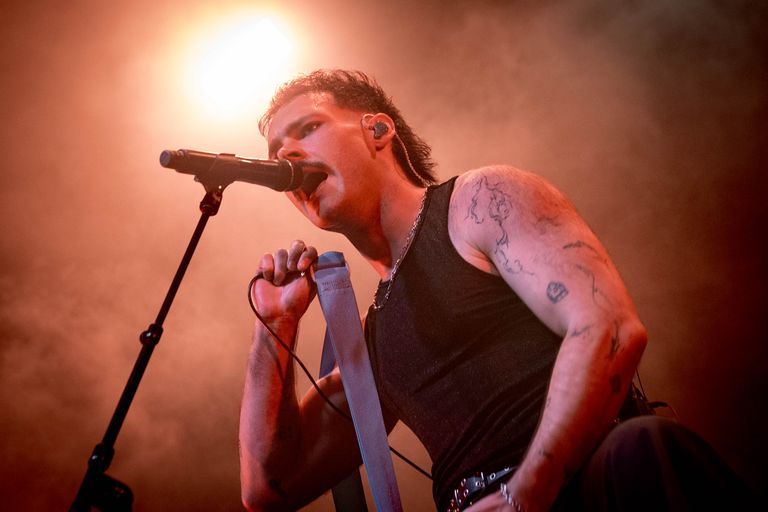
As every self-proclaimed alternative girl with a messy fringe must, I made a beeline for the Alex G set, beer in hand. All the indie kids were there, smoking their cigarettes on the astroturf, all on the verge of heatstroke but still in awe of Alex G, who (along with all the members of his band) is at the top of his game right now. Though he is simply a normal-looking thirty-three-year-old man in a black button-down top, a girl a few rows in front of me screamed, “HE IS SO SEXY I WANT TO MARRY HIM,” proving what an aphrodisiac great songwriting can be. (His live renditions of ‘Runner’ and ‘Immunity’ were truly transcendent, so infatuation must be forgiven.) Alex G’s music rendered him a god-like status that evening, and it was entirely deserved.
Alex G was followed by another indie heavyweight - Lucy Dacus, resplendent in a chequered dress and scarlet lipstick. Dacus sang and glided around the stage with an almost nonchalant grace, occasionally walking on a platform out into the centre of a worshipping sea of Doc Marten patrons. Halfway through her set, Dacus took notice of a fan emphatically waving a Palestine flag. Nodding to him, she said, “Free Palestine. I would if I could. I think we should all do what we can to make it happen.” Her words won raucous approval from the crowd.
The standout of her set was the closer, her epic break-up aria ‘Night Shift’ - a song her fans had been carefully saving their energy for. It was worth the wait. Standing amidst a sea of fans belting “You’ve got a 9-to-5, so I’ll take the night shift” - and clearly experiencing untold levels of catharsis - was a hallowed experience.
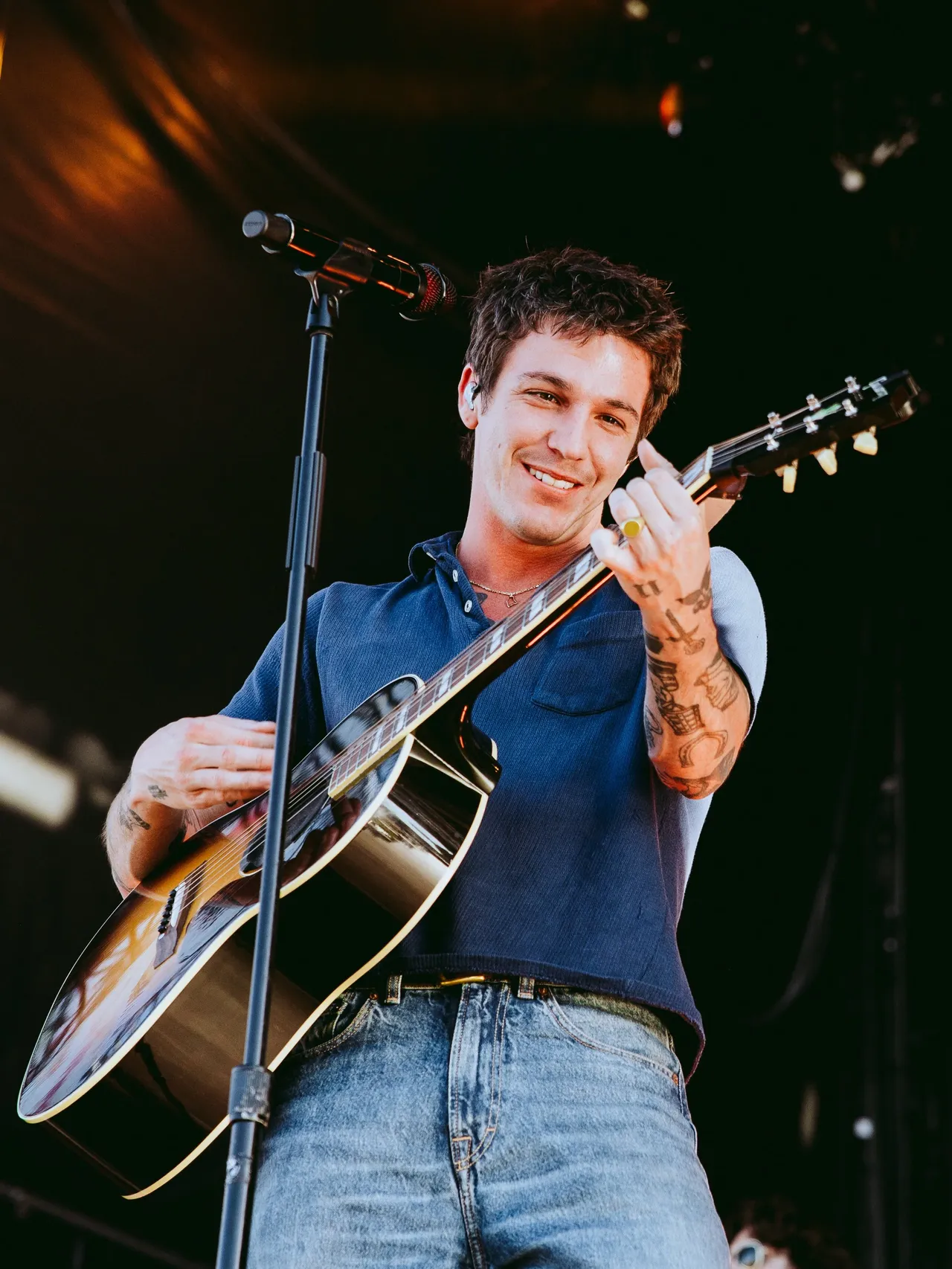
The next act was a total shift in tone and style: ROLE MODEL. Frontman Tucker Harrington Pillsbury grinned boyishly and inexplicably spoke to the crowd with a Southern twang (he’s from Maine). “Yes, Adelaide, I will be your Valentine,” he declared, shaking his be-denimed arse, totally besotted with his own vibe (as are the majority of the festival’s heterosexual women). For his crowd-pleaser ‘Sally, When The Wine Runs Out,’ he brought Lucy Dacus back out onto the stage, who skipped around with a red rose in hand.
READ MORE: Review: Froth & Fury Fest @ Adelaide Showgrounds 31/01/26
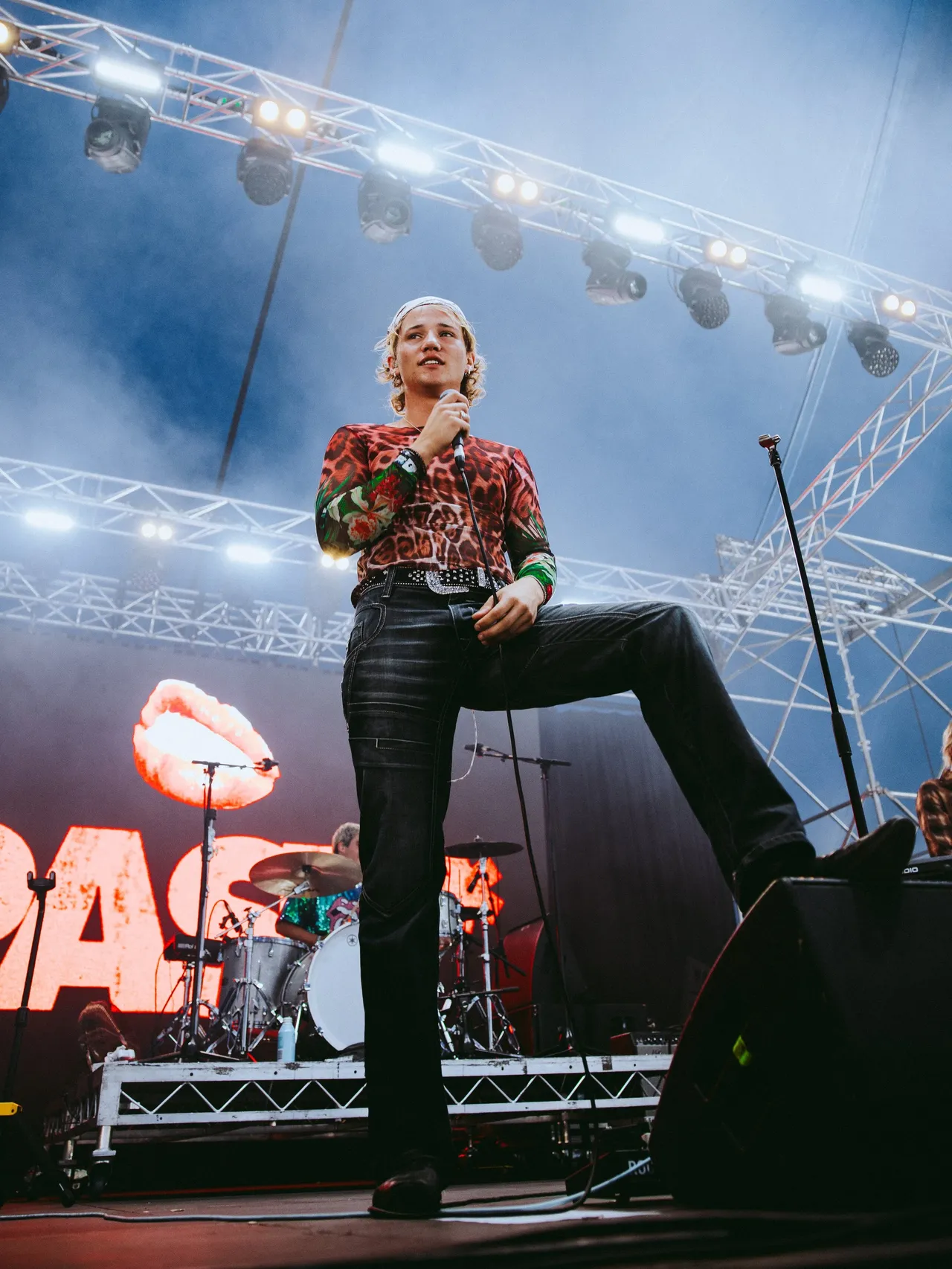
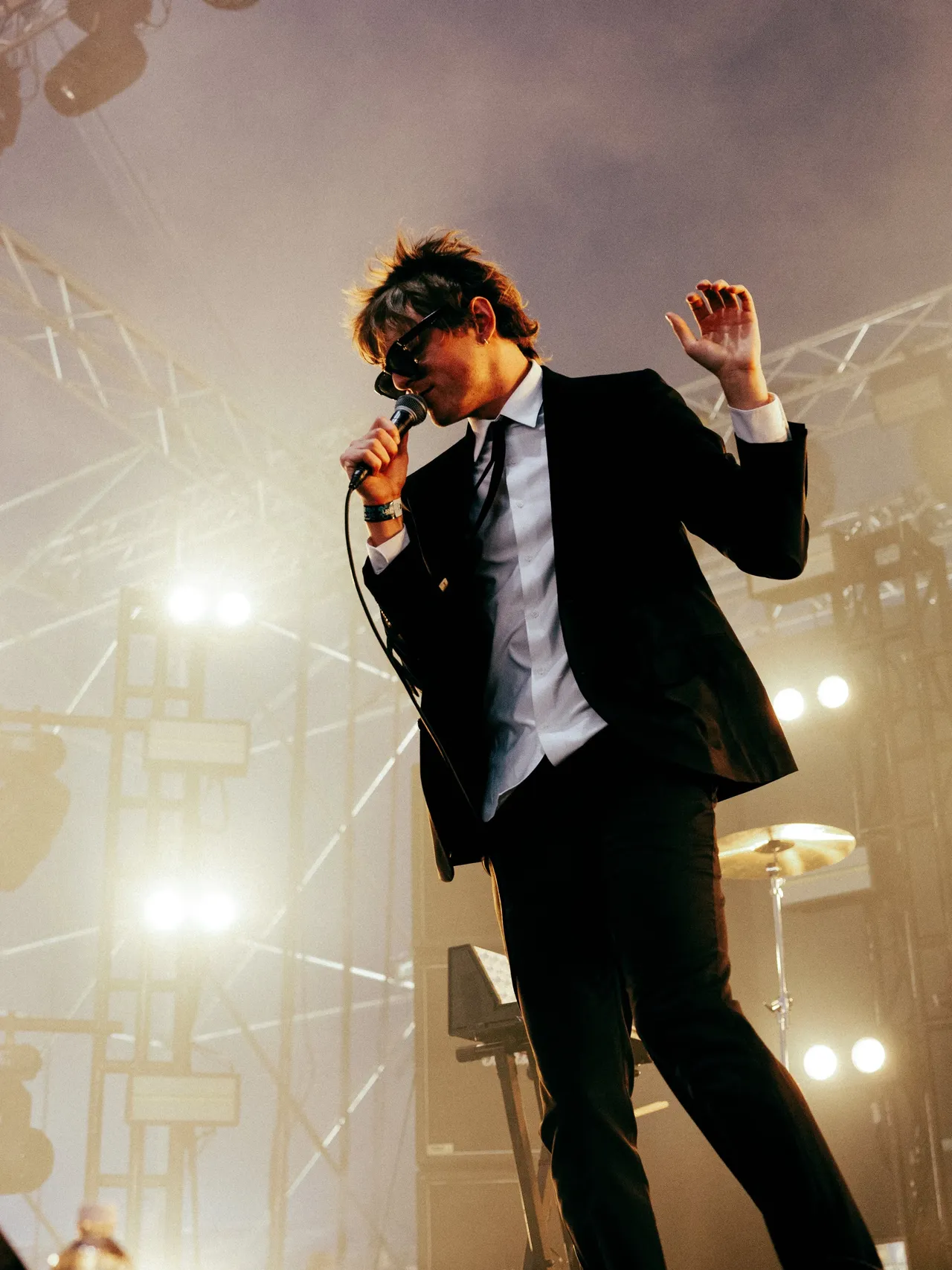
One of the defining features of a music festival is having to race around multiple stages to catch your most anticipated acts in time. So as soon as Lucy Dacus bowed herself off of ROLE MODEL’s stage, I made a beeline for dance-pop darling PinkPantheress.
PinkPantheress delighted the crowd with her posse of dancers, her adorable accent, and her cheeky, diaristic lyrics. The tent in which she performed was teeming with body heat. After she had played what I consider to be her most delectable hits, I rushed back out to one of the outside stages to catch a few minutes of English alt-rock outfit Wet Leg.
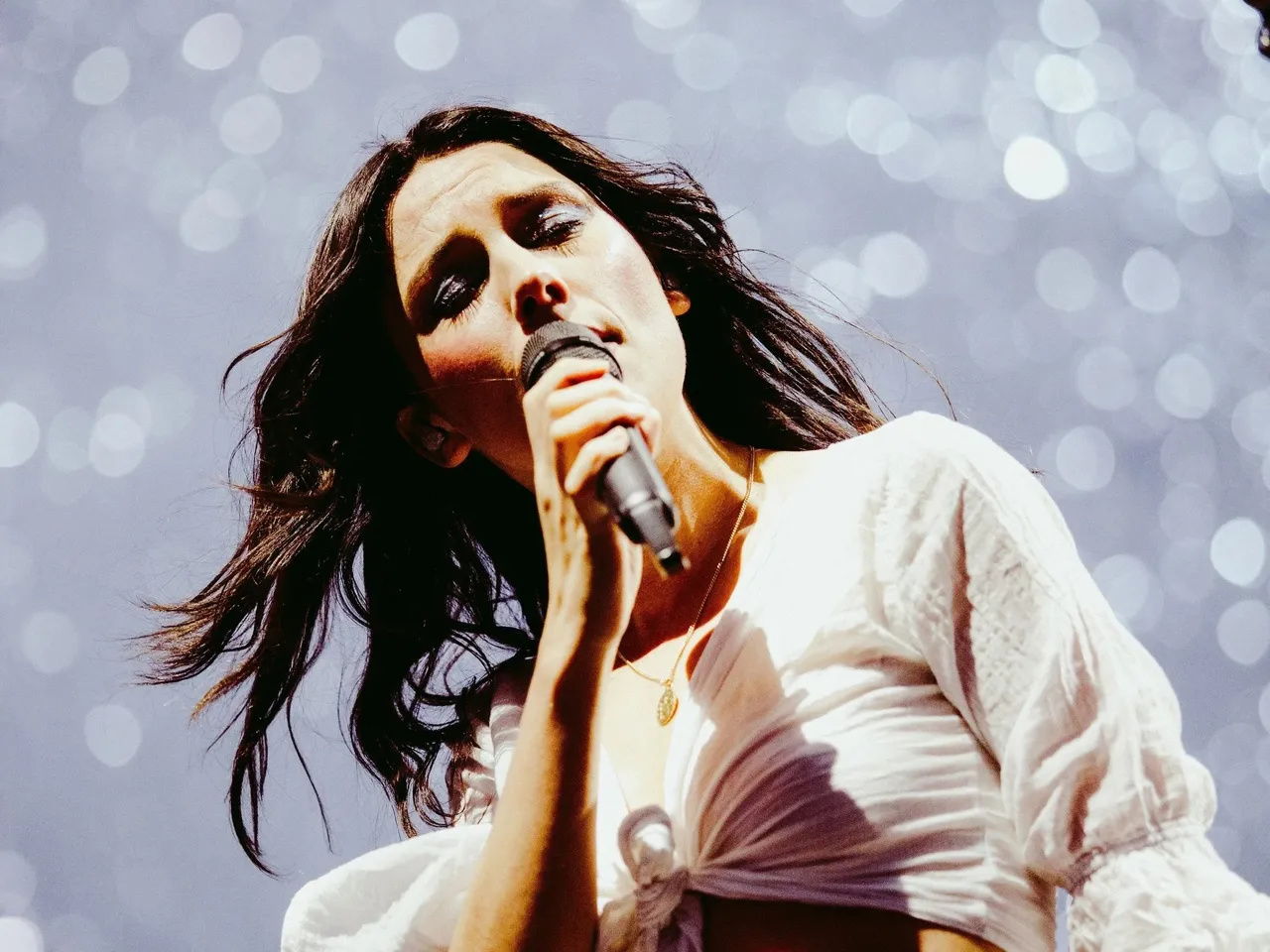
As a frontwoman, Rhia Teasdale is cool and assured, and Hester Chambers, with her grungy guitar licks, is the perfect accompaniment. The duo probably deserved more from the crowd, who were perhaps already tired from a long day of darting from one stage to another, or were perhaps saving themselves for their Grammy Award-winning headliner. As the sun was sinking over Wet Leg, people were already starting to stake out positions as close to the stage as possible in anticipation of Chappell Roan.
The sun set just in time for Wolf Alice. I chowed down a fried chicken burger as they displayed their consummate musical chops, in front of a castle-like stage set-up which hinted at what Chappell Roan had in store for us. ‘Don’t Delete The Kisses’ united the jam-packed crowd in sing-along ecstasy (including me, though I still had a few bites left of the burger). The song was the perfect way to close off the pre-Chappell Roan portion of the festival.
When Wolf Alice exited the stage, the suffocating horde of festival-goers started to buzz with excitement, unable to wait much longer for a set of over-the-top theatrics and muscular vocals. And then, finally, the wait was over.
It might sound hyperbolic, but Chappell Roan was earth-shattering - as everyone expected her to be. Hers is not an easy reputation to live up to. When your stage name becomes synonymous with world-class performance, the pressure is always high, even in a modestly-sized city like Adelaide. People expect her to “get the job done,” as she would say.
But, always the giver, Roan more than delivered.
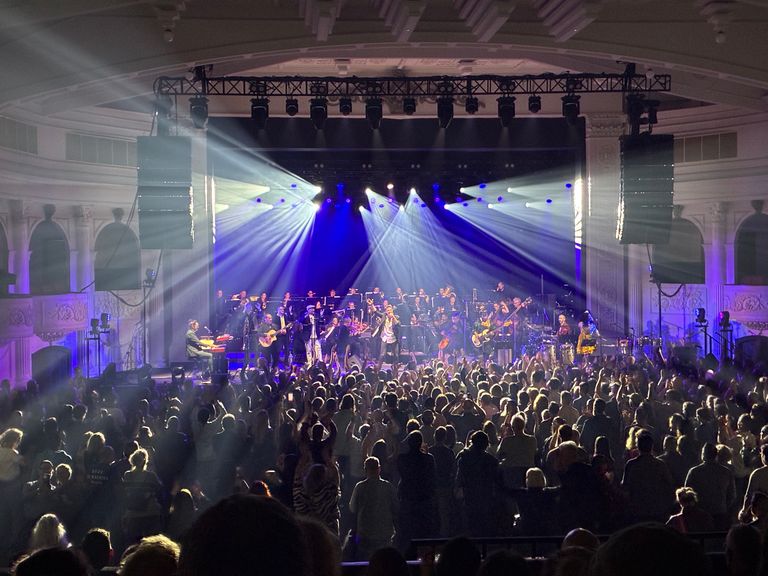
To start, onscreen graphics mimicked the beginning of the Golden Age of Disney films: the opening of a storybook, fire-snorting dragons and thorny roses, thunderous skies and swelling orchestral arrangements. And then the princess herself emerged, in full regal get-up (complete with streaming hennin, of course) to a crowd almost vomitous with adulation.
It is clear from the get-go that Chappell Roan imbues in her performances a level of consideration which seems rare these days. It would be easy to ramble at length in regards to her stellar showpersonship, to her robust voice, to her iron command over a teeming sea of people, to her many costume changes, to her theatrical subversion of femininity, and to her championing of the queer identity. But there isn’t enough room for the praise she deserves.
So let it simply be said that, for one very special night, Chappell Roan managed to transform the city of Adelaide into the pinkest of pony clubs.
Want more pics of Laneway Adelaide 2026? Check out our full photo gallery here.
Get the best of The Note in your inbox.
-768x512.jpg)