Review: Tryp 1 @ Hindley Street Music Hall 26/02/26
Opening this year’s Adelaide Festival, the new music showpiece Tryp 1 was a feast for the senses, featuring an eclectic lineup of artists that blew everyone away.
Words & Image Will Oakeshott
Tryp 1 @ Hindley Street Music Hall 26/02/26
“An increase in light gives an increase in darkness.” – Sam Francis.
Not to be confused with the controversial writer of the same name, Sam Francis was one of the twentieth century’s most profound Abstract Expressionists. He created thousands of paintings as well as works on prints, paper and monotypes that were featured in major museum collections and institutions throughout the world. Francis is regarded as one of the leading interpreters of colour and light; his work holds references to New York abstract expressionism, colour field painting, Japanese and Chinese art, French impressionism and his own Californian Bay Area roots.
When it comes to the knowledge of colours, light and darkness, Mr Francis was undeniably a prodigy on these subjects in the art world. He sadly passed away in 1994, but his legacy lives on, especially through The Sam Francis Foundation.
Each act that performed at the first of three planned Adelaide Festival demonstrations, entitled Tryp (Tryp II was cancelled), embraced the “darkness” element in their art practically flawlessly as Francis had described. However, their respective approaches were not confined to just colour or even “brightness versus dimness”. The musical outfits executed those elements within their soundscape, and it evoked a truly amazing array of emotions.
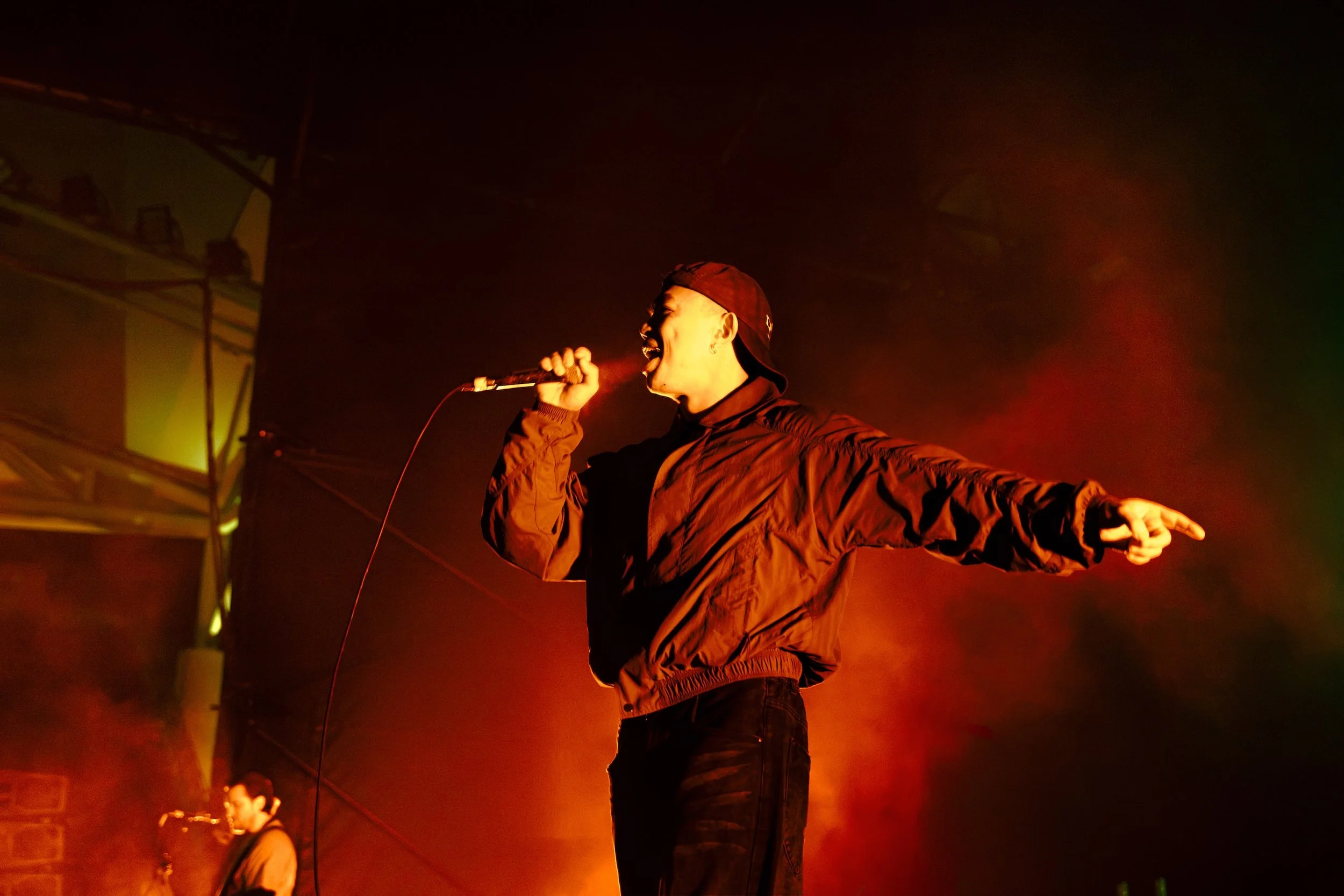
Zubeyda Muzeyyen, also known as DJ Haram, excellently explored many tones of darkness both visually and auditorily throughout her exhibition. An eerie clanging caught the attention of the enamoured spectators to begin DJ Haram’s retrospective, as the back screen lit up with an artistic docu-film that presented Zubeyda’s home life and her hometown of New Jersey, as well as performance footage. The film incorporated a magically macabre disposition, with VHS-stylised editing that created an ambience similar to The Blair Witch Project, but with a sense of light-heartedness similar to a Clown Core showcase, especially with the footage of a buffering computer screen.
Echoes of ocean movements, radio static, mind and body-altering rumbles, ringing phone sounds, Christopher Nolan/Hans Zimmer “BRAAMS” and practically indecipherable yet scintillating spoken-word passages brilliantly bombarded Adelaide, and the audience was truly mesmerised. ‘Distress Tolerance’ was a haunting noisetronica composition that possessed a glorious gloominess, leaving the attendees frozen in fascination.
“What’s good, Adelaide? This is my first show in Australia EVER!” Zubeyda Muzeyyen exclaimed, awakening the crowd from their hypnotism.
“Any Moor Mother fans out there? Good! Because I was about to curse you out, we are in a band [700 Bliss] together, let me play this one for you.”
‘Bless Grips’ was spellbinding with its astoundingly austere essence that blended components of witchtronica with aggressive hip hop, Chelsea Wolfe and Ho99o9 would have assuredly cherished this remarkable reverence.
DJ Haram featured mostly tracks from her illustrious debut album entitled Beside Myself, these compositions astonishingly unveiled a delightful dissonance connected with electronic music and Middle Eastern instrumentation in a magical mutation of ethereal euphoria.
Zubeyda discussed how the people of New Jersey have an “underdog complex”, as well as powerfully (and thankfully) incorporating the “Free Palestine” movement in her awe-inspiring and extremely relevant monologue, to which she received, very deservedly, grateful cheers and applause. This enhanced a strength in the bond that was developed throughout this trance-inducing performance, exposing a vast “lightness” in the dimly lit venue.
DJ Haram concluded her set atop her DJ table in a magnetic display of impassioned artistry, comprehensibly charming her way into the hearts and souls of all present who witnessed her sensational musical spell-working.
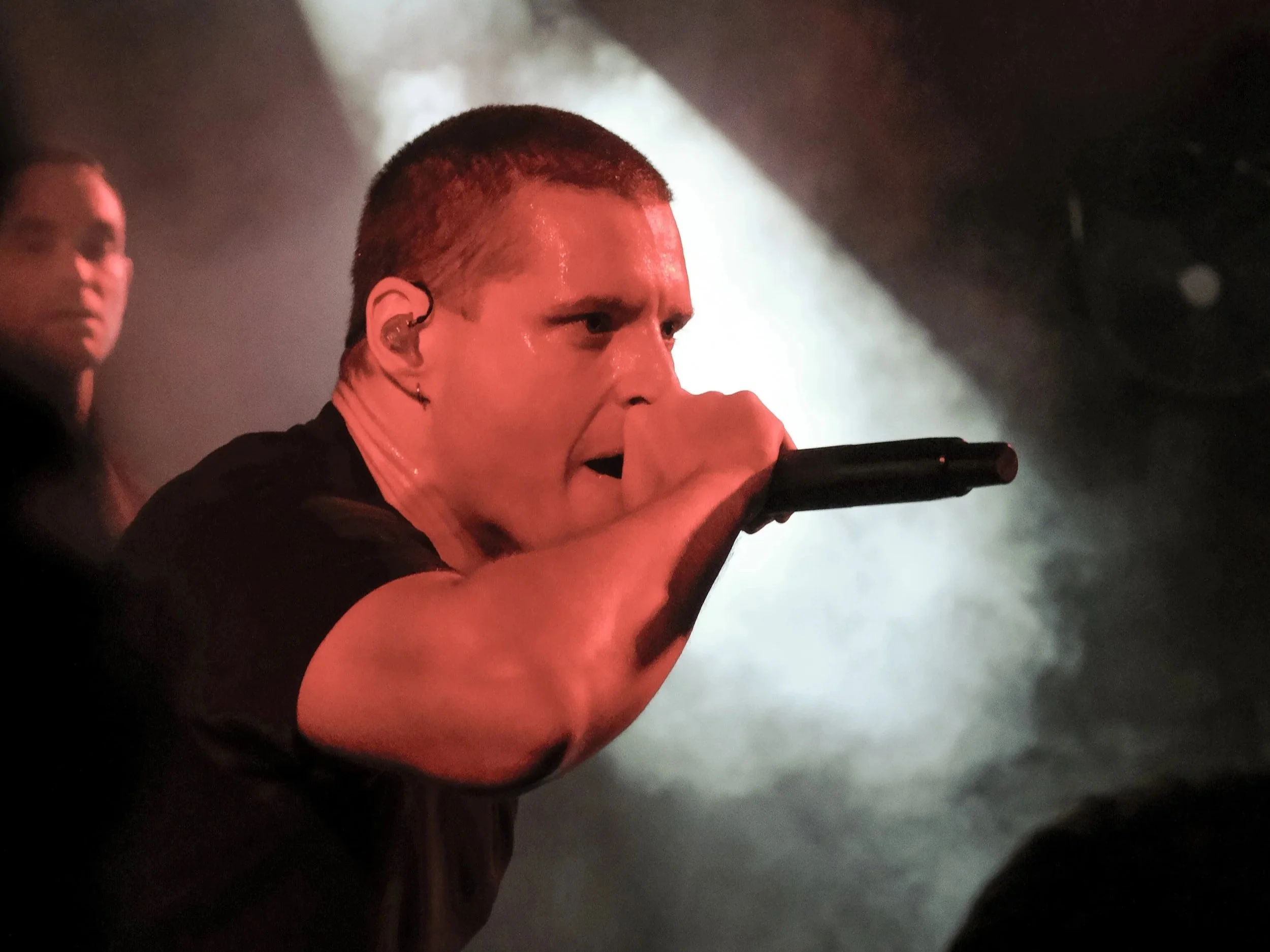
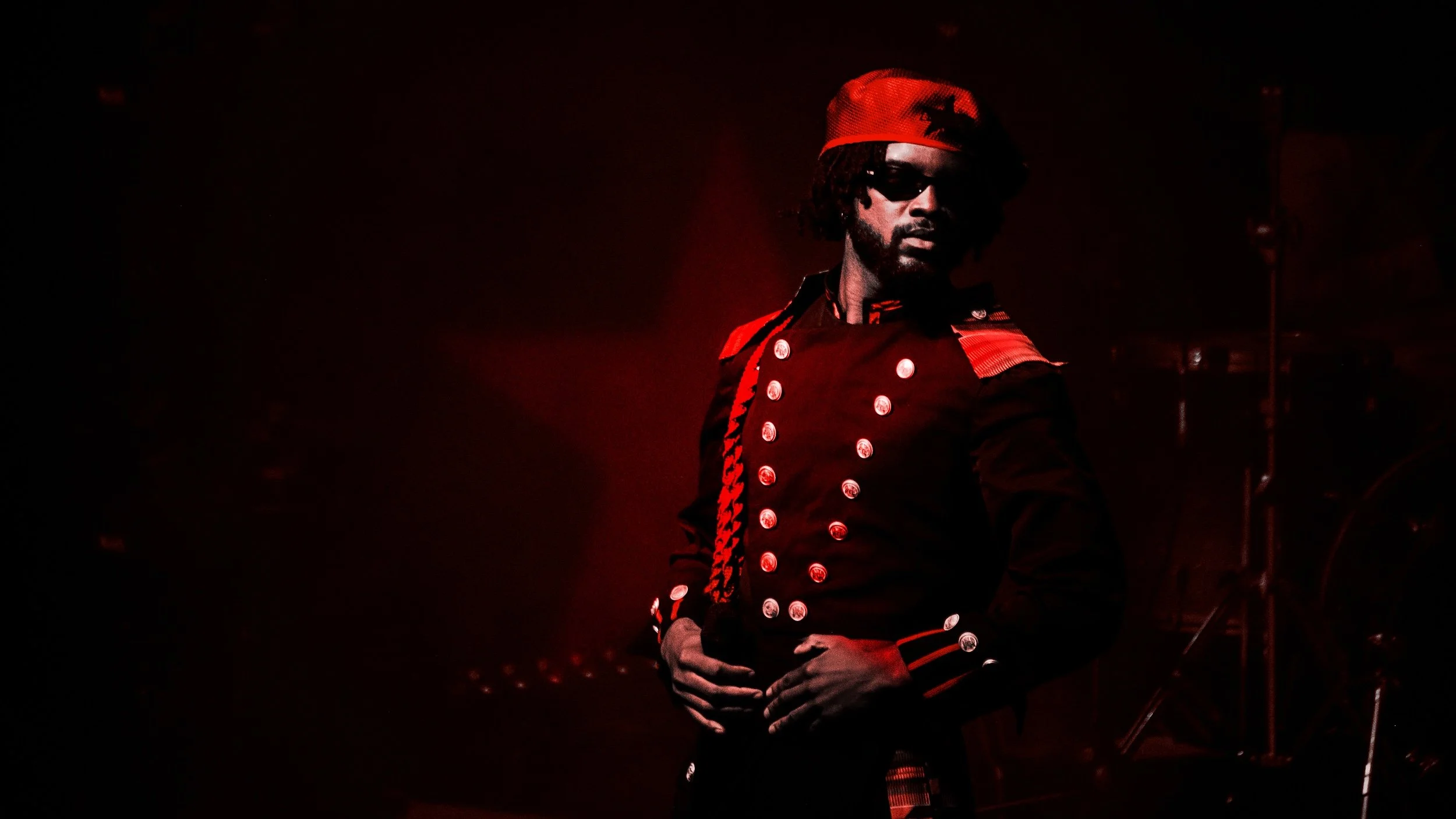
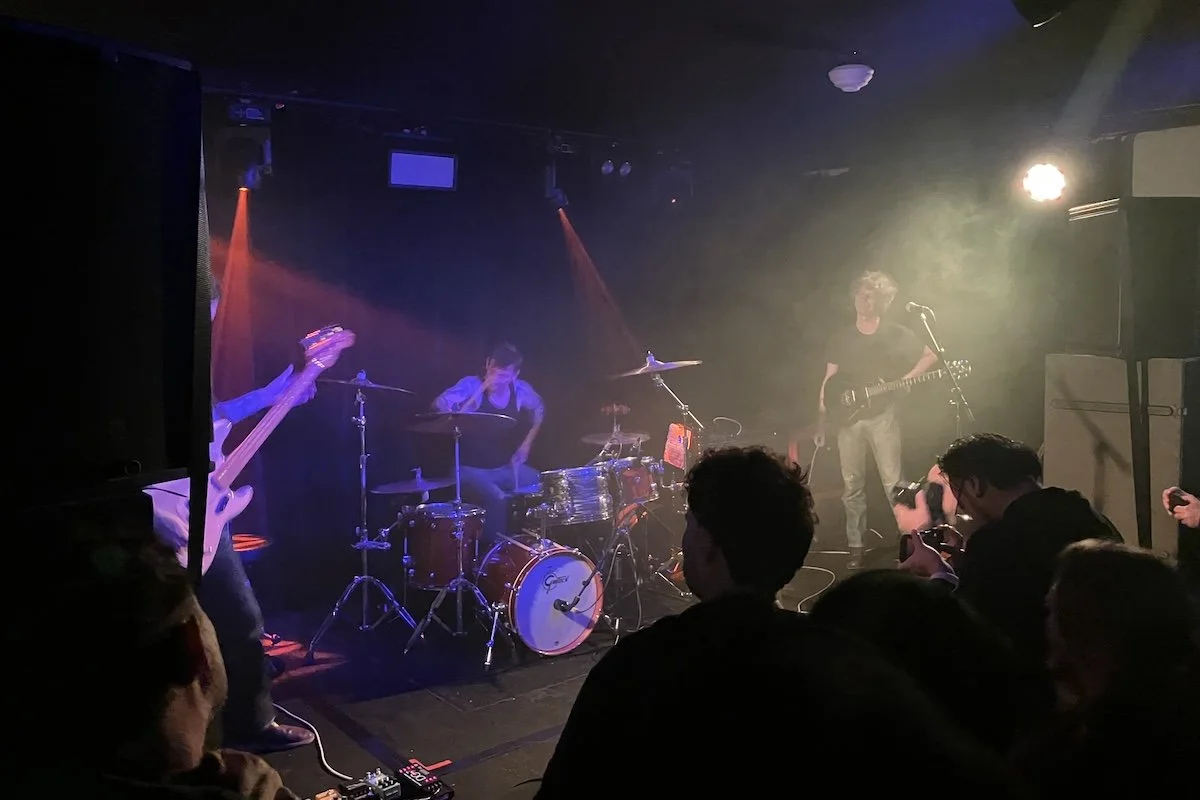
A gradual wall of noise grew from a darkened corner next to the Hindley Street Music Hall sound booth, confusing the concertgoers to an almost alarmed level. Percussionist Harry Freeman had begun his assault on the senses with his drone-driven sonic landscapes that varied between volcanic reverberation, jackhammer rattling, and disorienting pandemonium. With a shimmering red light adding a tremendous texture to his exhibition, Freeman remained emotionless, focused and practically celestial in his intense demonstration. If blackened doom drone metallers SUNN O))) were looking to incorporate a form of doomtronica percussion to their next collaboration – Harry Freeman is unquestionably a favourable choice.
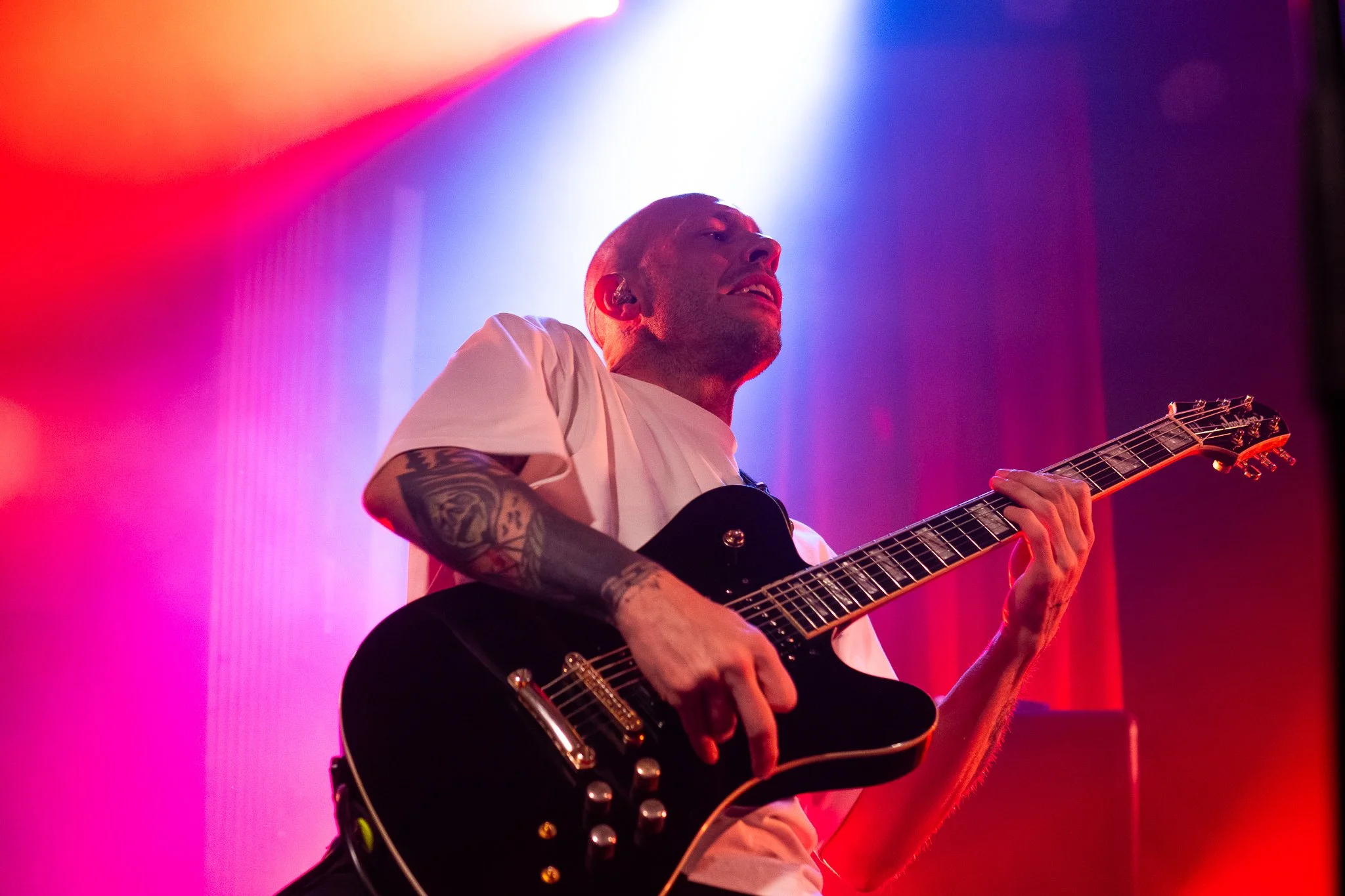
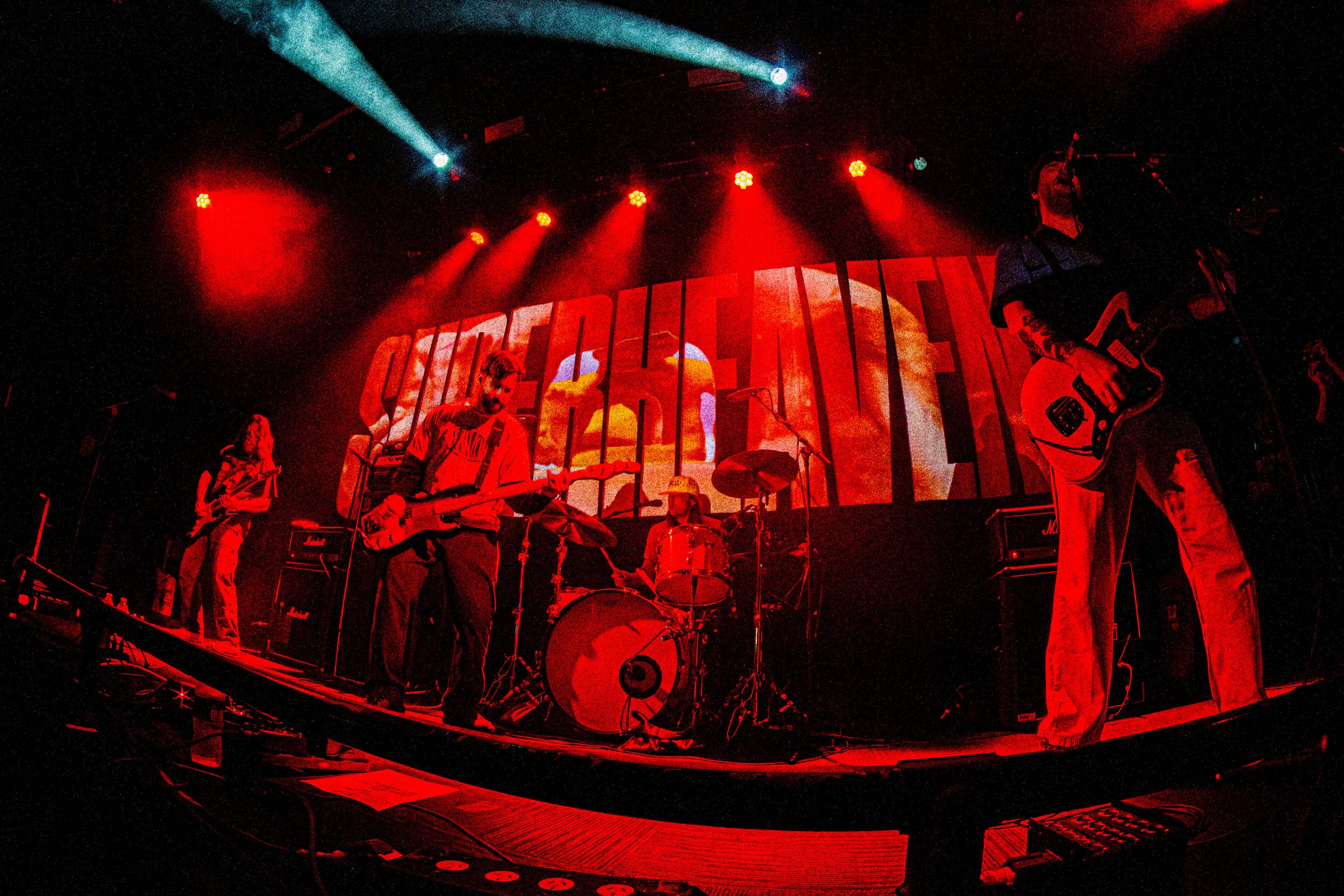
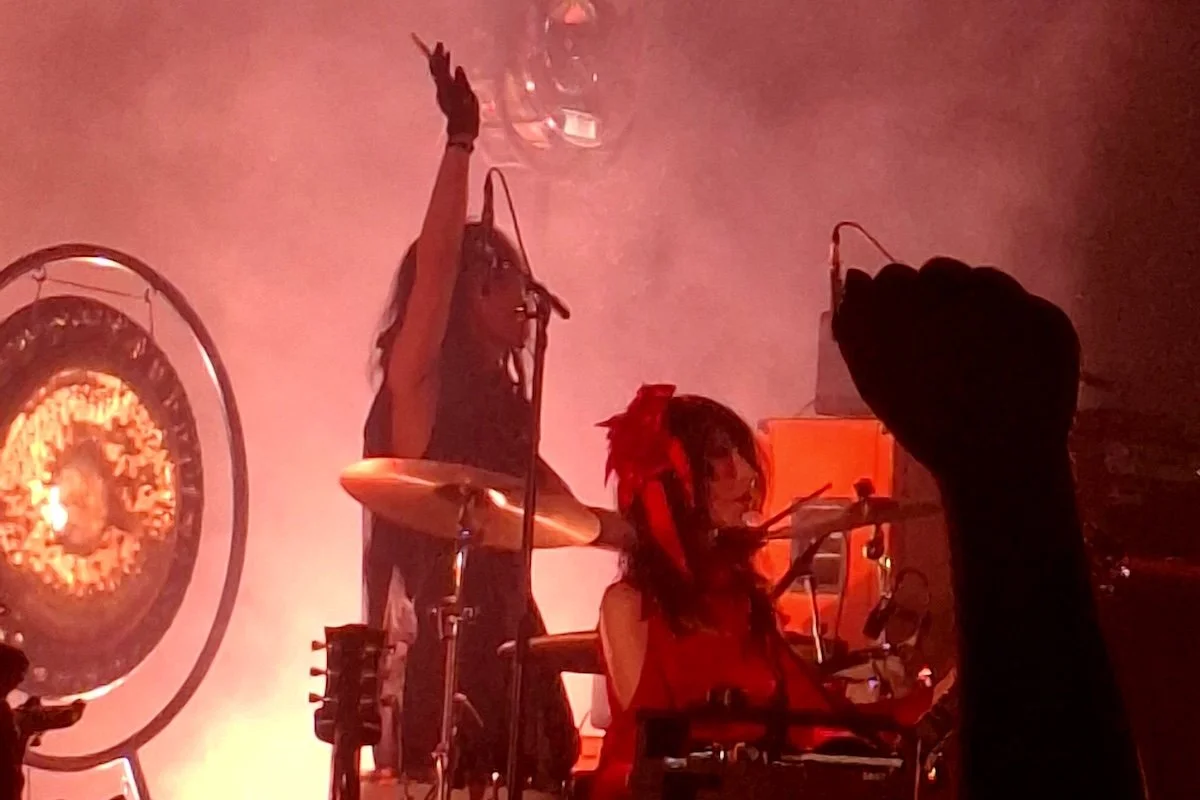
A peculiar version of a “circus theme” blasted through the speakers of the Hindley Street Music Hall, which assisted in the attendees rediscovering the light after a darkened descent into an abyss of discordance. After regaining their composure, the audience erupted in merriment as vocalist/bassist/guitarist Takeshi (Ohtani), guitarist/vocalist Wata (Yoko Mizuno), and percussionist/vocalist Atsuo (Mizuno) gracefully glided onto the stage. Japan’s adored avant-garde drone metal rockers Boris had returned, and they had thankfully brought noise mastermind Merzbow (Masami Akita) along to take South Australia on a musical Warpath of wonderment.
READ MORE: Review: Froth & Fury Fest @ Adelaide Showgrounds 31/01/26
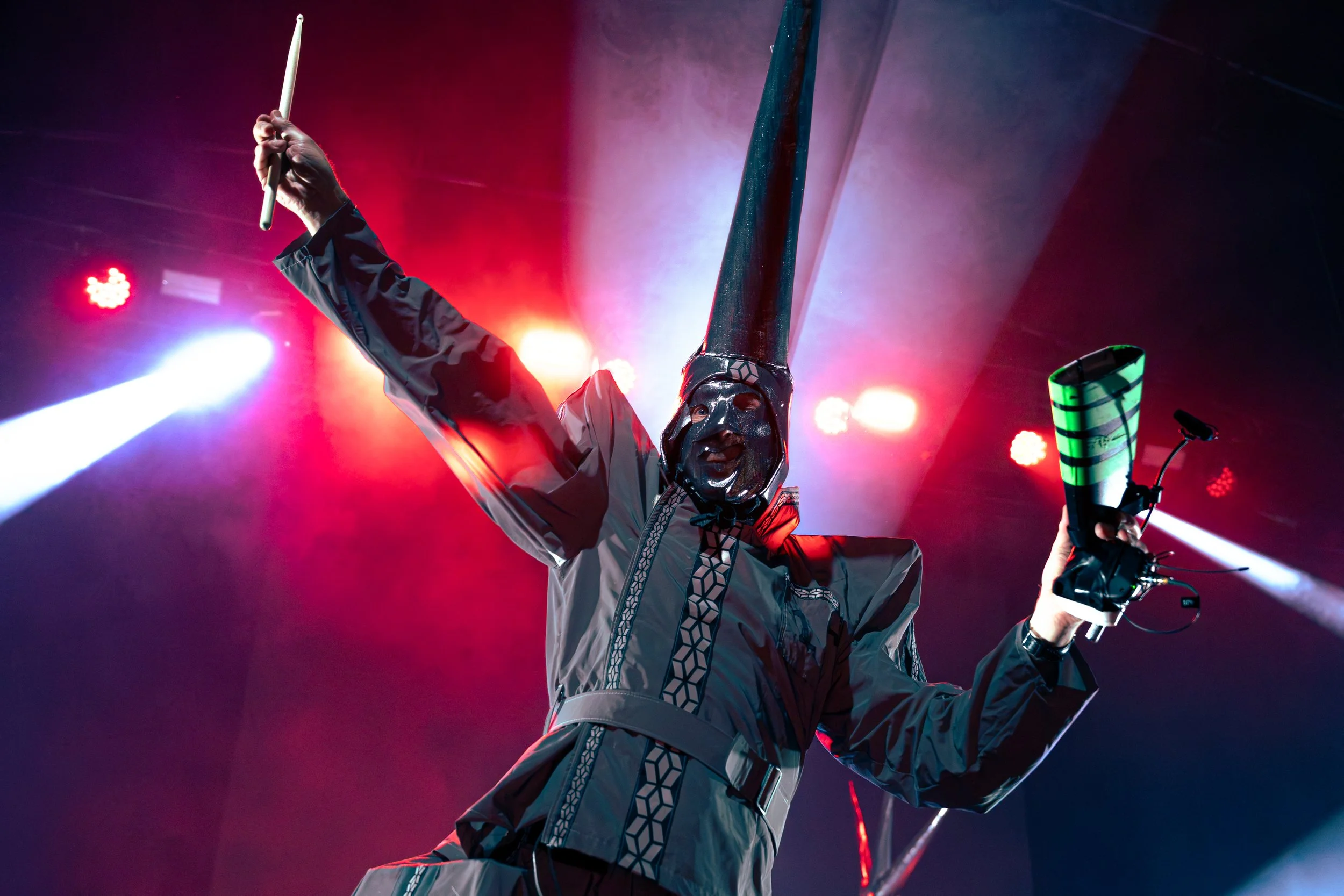
Smoke machines clouded the musicians in a cloak of mystery often, the musical virtuosos would barely speak a word throughout their entire demonstration. ‘Red’ was a vivacious instrumental adventure that This Will Destroy You could only dream of producing. ‘A Bao A Qu’ was a post-rock blackened industrial blockbuster that extravagantly wavered in theatrical sonic panoramas that Mogwai would adore, as well as industrialists Cabaret Voltaire. Drummer Atsuo was beyond animated throughout the entire set, rising from his drummer’s stool often to thrillingly thwack or tranquilly thrum the immense gong on display in spiritually enhancing rhythms.
‘The Evilone Which Sobs’ hosted a cacophonous ascension of transcendent soulful noise which was enriched by the prolific noise disorientations of the divine Merzbow. His electronic inclusions and bewildering minimalist instrumentation created a torrential tenderness that was fantastically all-encompassing for the entire venue.
It is difficult to describe, but the obliterating heaviness Boris produce when they suddenly amplify from shoegaze instrumental intricacy to an explosion of stoner metal psychosis is not of this world. Similar to how a military jet exceeding the speed of sound swiftly bursts in a gargantuan detonation, which shatters the atmosphere and possibly causes physical seizures to the witnesses, this is the magnitude of Boris’ auditory assault. Undeniably, it is seismically mind-blowing and exhilarating: welcome to ‘Evil Wave Form’.
Appreciatively and immaculately, the four-piece returned for an encore of ‘Farewell’. A grungey drone journey of blistering beauty that transported Adelaide to another dimension. The onlookers had escaped reality; perhaps Boris and Merzbow had too. This was one of those immersive musical expeditions into both darkness and light that enthusiasts wished would never end. Unfortunately, a conclusion was inevitable, but the memory of this momentous musical ceremony will remain in our spirits for years to come.
Imagine being capable of actually making the voyage to the majestic moon Pandora, which is home to the Na’vi people in the epic science fiction film series entitled Avatar. If that prospect is possible, now imagine attending a traditional rave celebration hosted by these enlivening native humanoid species, where inexplicable mysticism occurs to truly supernatural levels. Have the readers conjured up this dreamlike scenario? If so, then Takkak Takkak are the duo who sensationally supply the soundtrack to this phenomenal ritual.
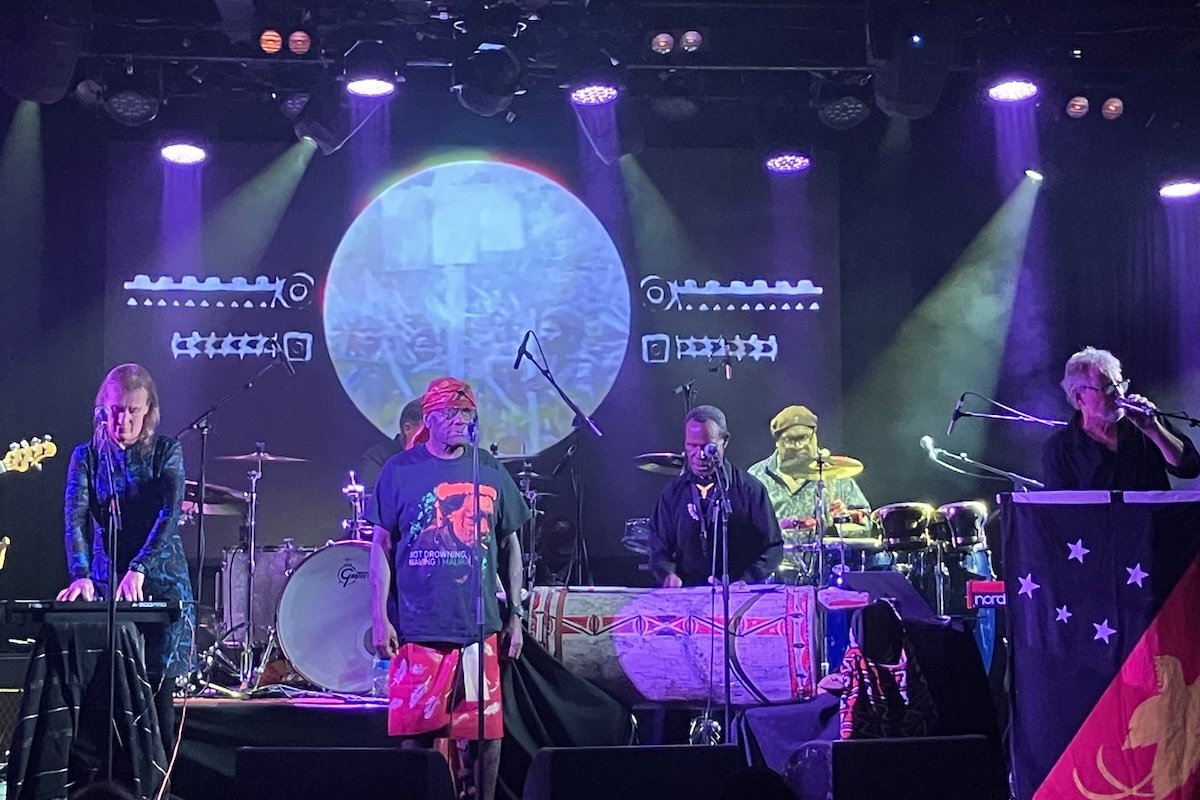
Takkak Takkak is the collaboration between Japanese producer Shigeru Ishihara (DJ Scotch Egg) and Indonesian composer and instrument creator Mo’ong Santoso Pribadi (Raja Kirik). Their artistic masterwork is an orientation of dance music, but this is, in all honesty, too narrow in description. Perhaps what they bring into existence is Pandorance - dance music from another universe.
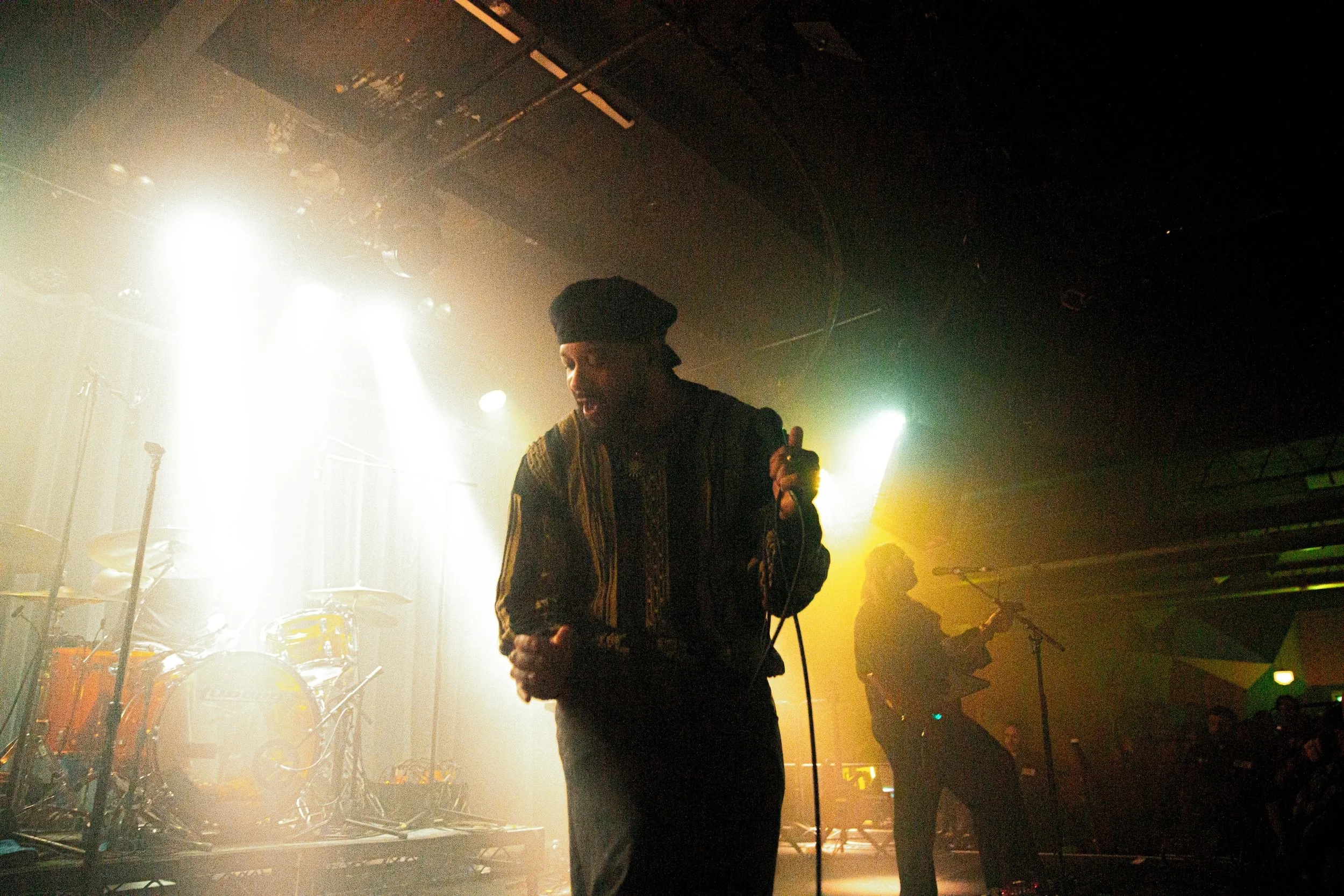
Their energy is mesmerising. Shigeru Ishihara and Mo’ong Santoso Pribadi are remarkably relentless and charismatically cyclonic when they perform. The stage becomes their playground, and both musicians dance, climb and bounce in epileptic fits of artistic lunacy, and it is incredibly infectious.
The onlookers were trapped in this enlivened exhilaration; two-step hardcore dancing, convulsing, ascending – it was otherworldly. For some attendees, this was simply too impassioned, a few actually had to exit the area momentarily. A hybrid of The Prodigy, Aphex Twin and perhaps even earlier Sepultura could encapsulate Takkak Takkak. To be frank, this is barely touching the surface of their charismatic artistry.
The instruments utilised were extraordinary. Versions of horns, banjos, percussion and electronics; it was strikingly overpowering. Mo’ong Santoso Pribadi was miraculous in his execution of playing all of his inventions; he is irrefutably a crowning achievement in sound generation.
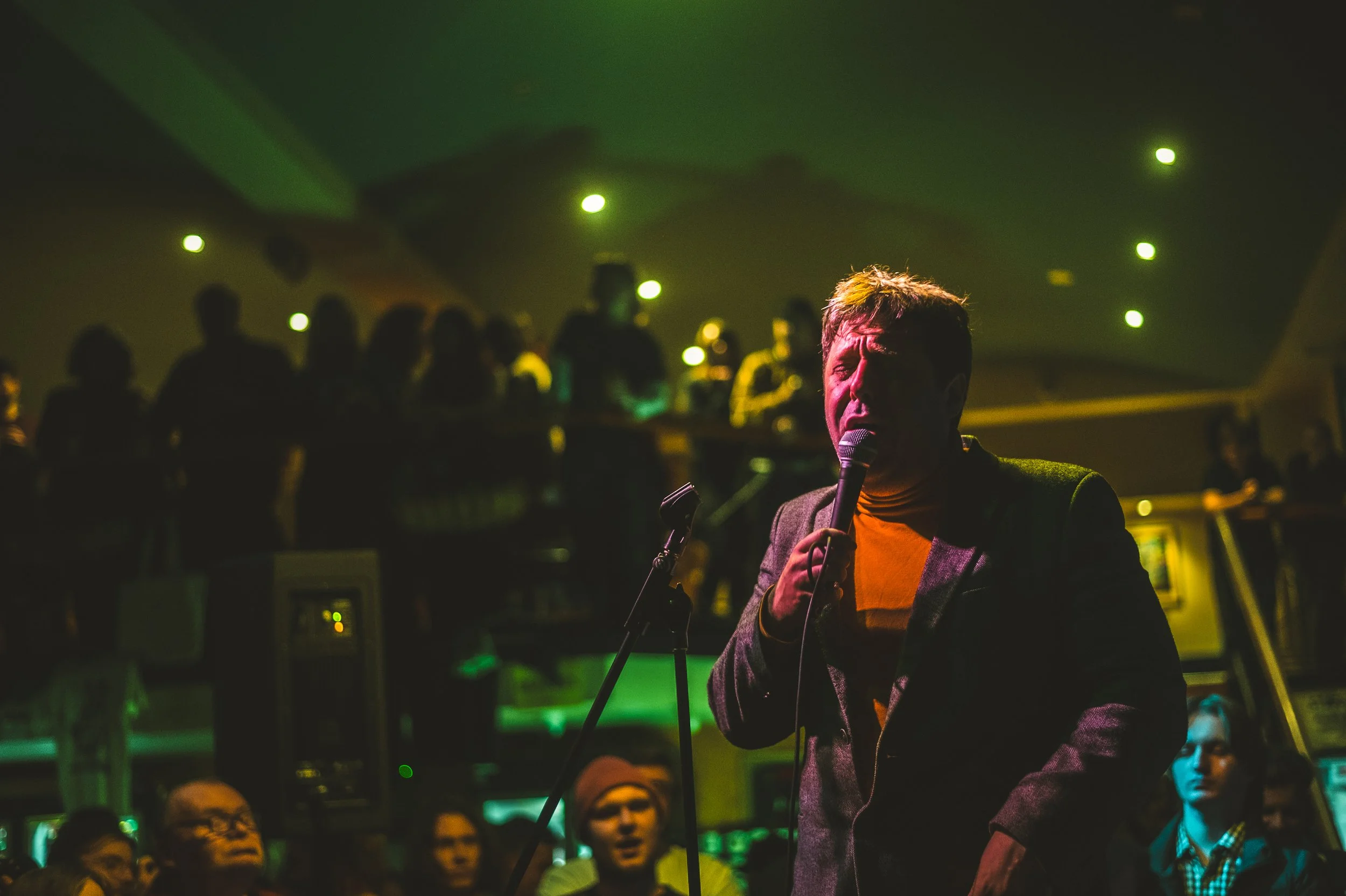
Shigeru Ishihara (DJ Scotch Egg) was a fireball throughout this frenzied demonstration. Among the darkness and the conflicting illumination of the psychoactive A/V exhibition, including incredible imagery by visionary Singaporean VJ Brandon Tay, DJ Scotch Egg was above illustrious. Reaching levels of acrobatics with his ascension atop the DJ table, screaming in ecstasy through the microphone – this had become spiritual for everyone.
The setlist did feature songs from their self-titled album, although it is more the experience of their energy than the chaotic compositions themselves. The entire showcase was powerfully perplexing, yet immeasurably engaging. This scribe cannot recall an artistic escapade of this nature in over two decades of music journalism. In saying that, Takkak Takkak’s uniqueness is assuredly beyond rapturous.
“An increase in light gives an increase in darkness.”
Isn’t it dazzling how music does both?